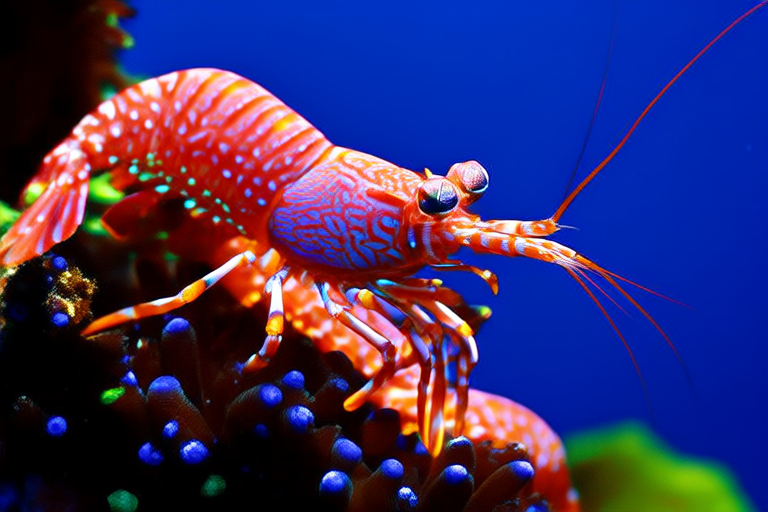
From Tiny Fry to Colorful Adults: The Journey of Coral Shrimp
Coral shrimp have captivated the hearts of marine enthusiasts and aquarium hobbyists alike with their vibrant colors and graceful movements. These small crustaceans are not only beautiful but also play a crucial role in maintaining the health of marine ecosystems. Found in diverse marine environments, they bring a splash of color and life to both natural reefs and home aquariums. Their journey from tiny fry to colorful adults is a fascinating one, marked by unique developmental stages that highlight their adaptability and resilience.
The Lifecycle of Coral Shrimp
Eggs and Larval Stages
The life of a coral shrimp begins as a fertilized egg, carried by the female until it hatches into a nauplius larva. This first stage is characterized by its simple, almost transparent body structure. The nauplius larva is highly mobile and swims freely in the water column, feeding on microscopic algae and plankton. Over time, it undergoes several molts, each time transforming into a more complex form known as the zoea stage. Zoea larvae possess longer appendages and are better adapted for swimming. They continue to feed on phytoplankton and detritus, growing rapidly as they prepare for the next phase.
Post-Larval and Juvenile Stages
As the zoea develops further, it metamorphoses into a post-larval stage, where its appearance begins to resemble the adult form. This transition marks the end of its pelagic lifestyle, and the shrimp settles on the ocean floor or within coral structures. At this point, it becomes a juvenile, with a more robust body and appendages. Juvenile coral shrimp are often seen exploring their new environment, searching for food and shelter. During this stage, they consume algae, small particles, and even dead organic matter, contributing to the cleaning process of their habitat.
Adult Stage
Upon reaching adulthood, coral shrimp display their full spectrum of colors and patterns, which can range from bright reds and oranges to deep purples and blues. Adult shrimp are active scavengers and cleaners, removing debris and harmful organisms from corals and other marine life. Their vibrant hues serve as a warning to potential predators, while also playing a role in attracting mates during the breeding season. Adults are typically found in pairs or small groups, creating intricate burrows and shelters within the coral matrix.
Tips for Aquarium Owners
Optimal Care
Maintaining a healthy environment for coral shrimp requires attention to detail. Regular water changes and monitoring of water parameters such as pH, temperature, and salinity are essential. A stable and clean tank promotes stress-free living conditions, ensuring the shrimp thrive. Additionally, providing ample hiding spots and decorations like rocks, caves, and live corals can mimic their natural habitat, encouraging exploration and territorial behavior.
