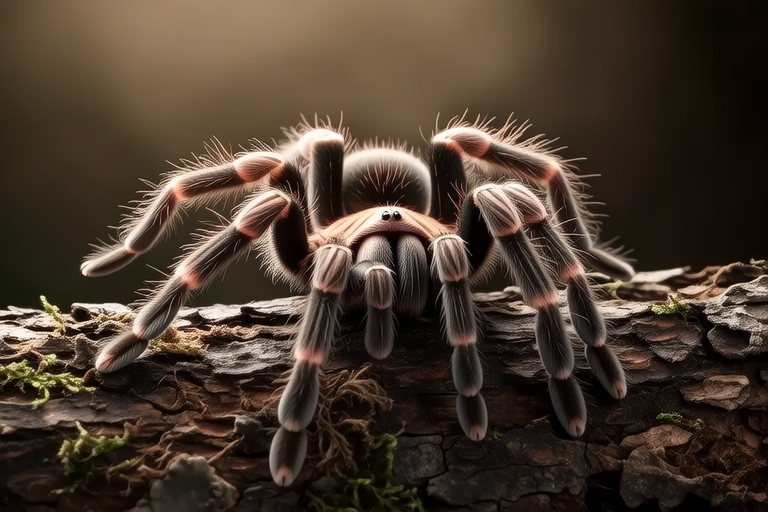
From Fear to Fascination: The Captivating World of Tarantulas
The tarantula has long been a subject of both fear and fascination for many people. These large, hairy spiders have historically been associated with horror and danger, but in recent years, there has been a significant shift towards admiration and curiosity. This article explores the reasons behind this transformation, delves into the unique physical characteristics of tarantulas, debunks common myths, and highlights their ecological significance. Additionally, it provides insights from tarantula enthusiasts and examines cultural perceptions of these creatures across various societies.
Unique Physical Characteristics of Tarantulas
Tarantulas possess several distinctive features that set them apart from other spiders. Their size is one of the most striking aspects; some species can grow up to 10 inches (25 cm) in leg span. Their bodies are covered in fine hairs, which they use for defense and sensory perception. These hairs can be ejected as a deterrent against predators, causing irritation if they come into contact with an attacker’s skin or eyes. Another fascinating adaptation is their ability to regenerate lost limbs, allowing them to recover from injuries sustained during fights or escapes from predators.
Despite their intimidating appearance, tarantulas are generally docile creatures. They prefer to avoid confrontation and will only attack if provoked or threatened. Many species also possess venom glands, but their bite is typically no more dangerous than a bee sting. Some tarantulas, such as the Brazilian wandering spider, are known for their potent venom, but even these species rarely pose a serious threat to humans unless handled improperly.
Debunking Common Myths About Tarantulas
One of the most pervasive misconceptions about tarantulas is that they are aggressive and deadly. In reality, tarantulas are shy and reclusive animals that would rather flee than fight. Another myth is that tarantulas are blind; while they do rely heavily on their sense of touch, they possess excellent vision capable of detecting movement at considerable distances. Additionally, tarantulas are often mistakenly believed to spin webs to catch prey, but most species hunt actively by ambushing or chasing down their food.
Cultural Perceptions of Tarantulas Across Different Societies
The cultural perception of tarantulas varies widely depending on geographical location and historical context. In many Western countries, tarantulas were once viewed with fear and suspicion due to their association with witchcraft and black magic. However, as knowledge about these creatures has grown, so too has appreciation for their beauty and complexity. Today, tarantulas are increasingly recognized as valuable members of ecosystems worldwide.
In contrast, certain indigenous cultures view tarantulas differently. For example, among the Maya people of Central America, tarantulas are seen as symbols of strength and resilience. Similarly, in parts of Africa, tarantulas are revered for their medicinal properties and believed to possess healing powers. These diverse perspectives reflect the rich tapestry of human experience and highlight the importance of understanding local traditions when engaging with wildlife.
Personal Stories and Interviews with Tarantula Enthusiasts
To gain deeper insight into what draws people to tarantulas, we spoke with several enthusiasts who shared their experiences and motivations. One individual, Sarah Thompson, explained her journey from initial apprehension to passionate advocacy: “When I first encountered a tarantula, I was terrified. But after learning more about them, I realized how misunderstood these amazing creatures really are. Now, I spend much of my free time studying and photographing tarantulas, sharing my findings with others.”
Another enthusiast, John Davis, emphasized the educational value of keeping tarantulas as pets: “Tarantulas make wonderful classroom pets because they’re easy to care for and teach important lessons about responsibility and respect for nature. Plus, they’re just plain cool!” Both interviewees underscored the importance of accurate information and responsible practices when interacting with tarantulas.
Ethical Considerations of Keeping Tarantulas as Pets
While tarantulas can make rewarding companions for those willing to commit to proper care, it is crucial to approach pet ownership with caution. Potential owners must ensure they have adequate space, appropriate diet, and suitable environmental conditions before bringing home a tarantula. Overcrowding or incorrect feeding can lead to stress, illness, or premature death. Furthermore, wild-caught specimens may carry diseases or parasites that could harm both the animal and its handler.
Responsible ownership also involves considering the impact of trade on wild populations. Many popular tarantula species face threats from habitat destruction and overcollection for the pet industry. By choosing captive-bred individuals whenever possible, consumers help reduce pressure on vulnerable species while supporting sustainable breeding programs.
Conclusion
The shift from fear to fascination surrounding tarantulas reflects broader changes in attitudes toward nature and conservation. As scientific understanding deepens and public awareness grows, more people are coming to appreciate the remarkable adaptations and ecological roles played by these captivating creatures. Whether admired from afar or kept as cherished companions, tarantulas continue to inspire wonder and curiosity among enthusiasts around the world.
