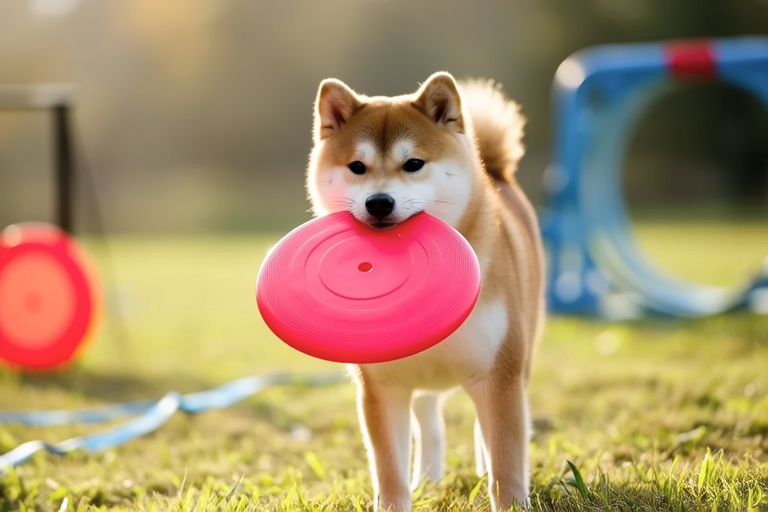
The Ultimate Guide to Training Your Spirited Shiba Inu Puppy
Shiba Inus are known for their spirited and independent personalities, making them a unique and challenging breed to train. However, with the right approach, you can successfully train your Shiba Inu puppy to be a well-behaved and loving companion. This guide will provide you with comprehensive information on understanding the breed’s temperament, effective training techniques, and practical advice to help you manage your Shiba Inu puppy’s independent nature.
Understanding the Breed’s Temperament
Shiba Inus are an ancient Japanese breed, known for their small size, fox-like appearance, and spirited personality. They are intelligent, alert, and independent dogs that can be stubborn at times. Their natural instincts make them excellent watchdogs, but their independence can sometimes lead to resistance during training. It is important to understand these traits when beginning the training process.
One of the key aspects of a Shiba Inu’s temperament is their strong sense of self-preservation. They are not easily intimidated and can be quite headstrong. This trait can make them resistant to commands, especially if they do not see the point or if they believe they can get what they want through other means. Understanding this aspect of their personality is crucial for setting boundaries and establishing leadership.
Another important characteristic of Shiba Inus is their territorial nature. They are loyal to their families and can become possessive over their toys, food, and even territory. This can lead to guarding behavior, which must be managed carefully to prevent aggression. Early socialization and consistent training are essential to ensure your Shiba Inu becomes a well-adjusted and friendly member of the community.
Basic Obedience Training Methods
Training your Shiba Inu puppy requires a combination of positive reinforcement, consistency, and patience. Positive reinforcement involves rewarding desired behaviors with treats, praise, or playtime, while ignoring unwanted behaviors. This method helps build a strong bond between you and your puppy, as well as encouraging good behavior.
Begin by teaching basic commands such as ‘sit,’ ‘stay,’ ‘come,’ and ‘down.’ Use short, clear commands and reward your puppy immediately after they perform the desired action. For example, when teaching ‘sit,’ hold a treat above your puppy’s nose and move it slightly back, prompting them to sit. Once they sit, give them the treat and praise them. Repeat this process several times a day until your puppy understands the command.
Consistency is key in training. Use the same commands and hand signals every time you train your puppy. This helps them learn faster and prevents confusion. Additionally, keep training sessions short (5-10 minutes) and fun. Puppies have short attention spans, so keeping sessions brief ensures they remain engaged and interested.
Real-life scenario: Sarah was struggling to teach her Shiba Inu puppy, Max, to come when called. Instead of yelling or chasing after him, she began using a clicker and treats to reward him for coming to her. She would click the clicker the moment he started moving towards her and then give him a treat. After a few days of consistent practice, Max learned to come when called, even in distracting environments.
Housebreaking Tips
Housebreaking a Shiba Inu puppy can be challenging due to their independent nature. However, with patience and consistency, you can successfully potty train your puppy. Start by establishing a routine and taking your puppy outside frequently, especially after meals, naps, and playtime. Choose a specific spot in your yard for potty breaks and take your puppy there every time.
Praise your puppy immediately after they eliminate outdoors. You can say something like, “Good boy/girl!” and give them a treat. Avoid punishing your puppy for accidents inside the house, as this can create fear and anxiety. Instead, clean up the mess thoroughly and continue with your training routine.
Real-life scenario: John found that his Shiba Inu puppy, Luna, had accidents in the house despite his best efforts. He realized that he needed to be more consistent with taking her outside. By increasing the frequency of potty breaks and praising her each time she went outside, Luna quickly learned to eliminate outdoors.
Socialization Strategies
Socializing your Shiba Inu puppy is crucial for developing a well-rounded and friendly adult dog. Socialization involves exposing your puppy to various people, animals, environments, and experiences in a positive and controlled manner. This helps them become comfortable and confident in different situations.
Begin socialization early, ideally between 8 and 16 weeks of age, when puppies are most receptive to new experiences. Take your puppy to puppy classes, parks, and pet stores. Introduce them to different people, including children, elderly individuals, and those wearing hats or carrying umbrellas. Expose them to various surfaces, such as grass, gravel, and cement, and different sounds, like traffic, sirens, and music.
Real-life scenario: Emily noticed that her Shiba Inu puppy, Charlie, was shy around strangers. To help him overcome his shyness, she enrolled him in a puppy class and took him to meet friends and family members. Over time, Charlie became more comfortable around new people and situations, thanks to Emily’s consistent efforts in socializing him.
Managing Their Independent Nature
Shiba Inus are known for their independent nature, which can make training challenging. However, with the right strategies, you can effectively manage their independence and encourage cooperation. One of the most important strategies is to establish yourself as the pack leader. This involves setting clear boundaries, providing structure, and consistently enforcing rules.
Use positive reinforcement to encourage good behavior and ignore unwanted behavior. For example, if your Shiba Inu puppy tries to jump on the couch, ignore them until they stop jumping. Once they calm down, invite them onto the couch with a command like ‘up.’ Consistency is key in managing their independent nature. Be patient and persistent, and remember that every dog learns at their own pace.
Real-life scenario: Mike struggled with his Shiba Inu puppy, Bailey, who insisted on sleeping on the bed. Instead of giving in, Mike established a crate for Bailey and consistently placed her in the crate at bedtime. After a few weeks, Bailey accepted the crate as her sleeping place and no longer tried to sleep on the bed.
Maintaining Consistency and Patience
Consistency and patience are essential throughout the training process. Every dog learns at their own pace, and setbacks are normal. It is important to stay patient and persistent, even when progress seems slow. Celebrate small victories and remain calm during training sessions.
To maintain consistency, stick to a daily routine and use the same commands and hand signals every time you train your puppy. Keep training sessions short and fun, and always end on a positive note. If you encounter challenges, seek guidance from a professional trainer or behaviorist. They can provide valuable insights and help you develop a customized training plan for your Shiba Inu puppy.
Real-life scenario: Linda encountered challenges when training her Shiba Inu puppy, Daisy, to walk on a leash without pulling. She sought advice from a professional trainer and implemented their recommendations. By using a harness and providing treats and praise when Daisy walked beside her, Linda was able to successfully train Daisy to walk calmly on a leash.
In conclusion, training your Shiba Inu puppy requires understanding their unique temperament, employing effective training techniques, and maintaining consistency and patience. With the right approach, you can successfully train your Shiba Inu puppy to be a well-behaved and loving companion. Remember to celebrate small victories, stay patient, and seek guidance when needed. Happy training!
