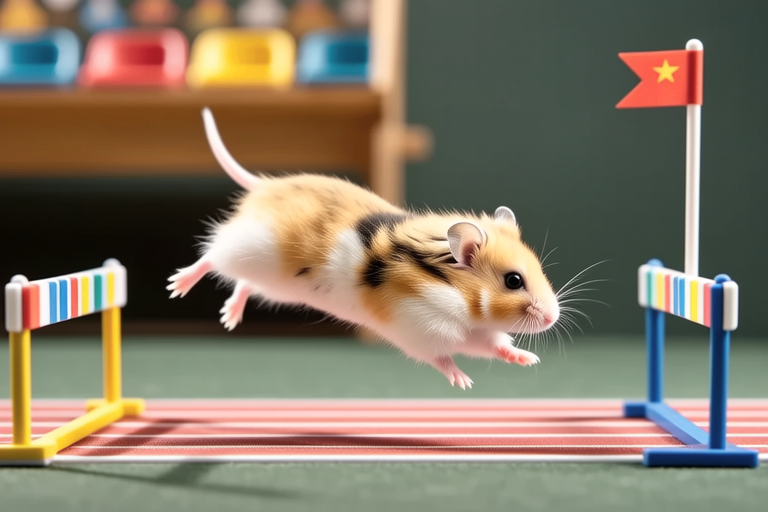
Hamster Olympics: Fun Activities to Engage Your Little Athlete
Welcome to the world of the Hamster Olympics! If you’re a proud owner of a hamster, you know that these tiny creatures are full of energy and curiosity. Hamsters are nocturnal animals, meaning they are most active during the night. Their natural instincts drive them to explore, burrow, and forage, making them perfect candidates for engaging activities that mimic the excitement of the Olympic Games. In this article, we’ll explore a variety of fun, safe activities designed specifically for your little athlete. We’ll also provide tips on how to set up a safe and stimulating environment and how to observe your hamster’s behavior to ensure they enjoy and benefit from these activities.
The Active Nature of Hamsters
Hamsters are known for their high levels of activity. They are natural explorers and are constantly seeking out new territories, which can lead to boredom if they don’t have enough mental and physical stimulation. Providing your hamster with a stimulating environment not only keeps them entertained but also promotes their overall health and well-being. It’s important to understand that each hamster breed and size has its own unique needs, so it’s crucial to tailor activities accordingly.
Hamster Olympics Events
Wheel Race
The Wheel Race is the cornerstone event of the Hamster Olympics. A running wheel provides your hamster with a safe and controlled way to exercise. Choose a solid-surface wheel to prevent injuries from slipping through the bars. Place the wheel in a quiet corner of their habitat where they can run without disturbances. To make the race more exciting, you can introduce obstacles like small ramps or tunnels leading to the wheel, encouraging your hamster to navigate through before reaching the finish line.
Tunnel Hurdles
Tunnel Hurdles are a great way to stimulate your hamster’s natural instinct to burrow. Create a series of tunnels using cardboard tubes or plastic pipes, arranging them in a course that your hamster must navigate. You can add small ramps or bridges between the tunnels to increase the challenge. This activity not only provides physical exercise but also mental stimulation as your hamster figures out the best path through the course.
Ball Balancing Games
Ball Balancing Games are a fun way to engage your hamster’s coordination and balance. Use a small, smooth ball that is safe for your hamster to interact with. Place the ball on a slight incline or in a shallow dish, encouraging your hamster to balance on top. You can also roll the ball gently towards them, prompting them to chase after it. This game helps improve agility and can be particularly enjoyable for smaller breeds.
Creating a Safe and Stimulating Environment
To ensure your hamster enjoys the activities in the Hamster Olympics, it’s essential to create a safe and stimulating environment. Start by ensuring that all equipment used in the activities is free from sharp edges or toxic materials. Regularly clean and sanitize the areas where the activities take place to maintain hygiene. Additionally, monitor your hamster closely during these activities to ensure they are comfortable and not showing signs of distress.
It’s also important to consider the specific needs of different hamster breeds and sizes. Syrian hamsters, being larger, may require more spacious and challenging courses, while dwarf hamsters might prefer smaller, more intricate setups. Adjust the difficulty level of the activities based on your hamster’s size and energy levels to keep them engaged without overwhelming them.
Observing Your Hamster’s Behavior
One of the most important aspects of engaging your hamster in the Hamster Olympics is observing their behavior. Pay close attention to how your hamster responds to each activity. Look for signs of enjoyment, such as increased activity and playfulness. Conversely, watch for any signs of stress or discomfort, like excessive grooming, hiding, or reluctance to participate.
If you notice that your hamster is not enjoying an activity or seems stressed, it’s important to stop the activity immediately and try something else. Each hamster is unique, and what works for one may not work for another. By carefully observing and adjusting, you can find the perfect balance of activities that keep your hamster happy and healthy.
Conclusion
The Hamster Olympics offer a fantastic opportunity to engage your little athlete in fun and stimulating activities. From the Wheel Race to Tunnel Hurdles and Ball Balancing Games, there are numerous ways to keep your hamster active and entertained. Remember to create a safe and stimulating environment tailored to your hamster’s specific needs and always observe their behavior to ensure they are enjoying the activities. With a bit of creativity and care, you can turn your hamster’s habitat into an Olympic training ground, fostering both physical fitness and mental engagement. Happy training!
