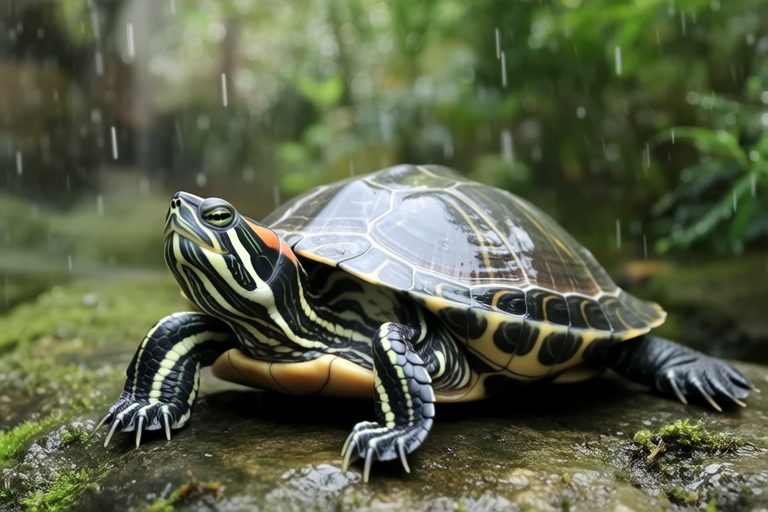
From Backyard to Home: Transforming Your Space for a Three-Striped Box Turtle
Three-striped box turtles are popular pets due to their charming appearance and relatively easy care. However, creating a comfortable indoor habitat for these reptiles requires careful planning. This article will guide you through the process of transforming your space to provide an optimal environment for your three-striped box turtle.
Essential Habitat Requirements
Temperature
Three-striped box turtles thrive in warm environments. The ambient temperature in their enclosure should range between 75°F and 85°F (24°C to 29°C). A basking area with a temperature of around 90°F (32°C) is also necessary for them to thermoregulate effectively. To achieve this, you can use heat lamps or under-tank heaters. It’s crucial to monitor the temperature with a reliable thermometer to ensure it stays within the appropriate range.
Humidity
Maintaining proper humidity levels is vital for the health of your turtle. The ideal humidity level for three-striped box turtles is between 60% and 80%. You can increase humidity by misting the enclosure daily or using a humidifier. Ensure that there is a shallow water dish available for your turtle to soak in, which will help maintain moisture levels and aid in shedding.
Substrate
The substrate, or bedding material, in your turtle’s enclosure plays a significant role in its overall well-being. Opt for a substrate that mimics their natural habitat and promotes cleanliness. Some suitable options include coconut fiber, cypress mulch, or eco-earth. Avoid substrates like sand, gravel, or wood shavings, as they can cause impaction if ingested or create uncomfortable living conditions. Additionally, ensure that the substrate is clean and free from harmful chemicals.
Creative Ways to Replicate Natural Elements
Hiding Spots
Providing hiding spots is essential for the psychological well-being of your turtle. These spaces allow them to retreat when they feel stressed or need privacy. You can create hiding spots using various materials, such as upturned planters, half logs, or custom-built caves. Arrange these items in different parts of the enclosure to give your turtle multiple options. Ensure that the hiding spots are secure and stable, preventing any potential accidents.
Basking Areas
A basking area is crucial for your turtle’s digestion and overall health. To create a basking spot, place a flat rock or wooden platform in one corner of the enclosure. Position a heat lamp above this area to provide the necessary warmth. The basking area should be easily accessible and inviting for your turtle. You can enhance the basking experience by adding a small, shallow water dish nearby, allowing your turtle to cool off if needed.
Nurturing Care
Dietary Recommendations
Feeding your three-striped box turtle a balanced diet is key to maintaining its health. Their diet should consist of a variety of foods, including leafy greens, vegetables, fruits, insects, and commercial turtle pellets. Offer a mix of fresh and pre-prepared foods to ensure nutritional diversity. Feed your turtle daily, but avoid overfeeding, as obesity can lead to health issues. Remove any uneaten food promptly to prevent contamination.
Health Checks and Preventive Measures
Scheduling regular health checks with a veterinarian experienced in reptile care is essential. During these visits, the vet can perform thorough examinations, including weight checks, blood tests, and fecal exams. These check-ups help identify potential health issues early, ensuring prompt treatment. Additionally, keeping the enclosure clean and providing proper ventilation helps prevent respiratory infections and other common ailments. Regularly inspect your turtle for signs of illness, such as lethargy, loss of appetite, or unusual behavior.
Engaging with Your Pet Turtle
Interacting with your three-striped box turtle can be a rewarding experience. Here are some tips to foster a positive relationship:
- Handling Gently: When handling your turtle, support its body firmly but gently. Avoid lifting it by its legs or tail, as this can cause injury. Keep interactions short and positive to build trust.
- Interactive Toys: Introduce interactive toys, such as floating balls or puzzle feeders, to stimulate your turtle’s curiosity and provide mental stimulation. Rotate the toys periodically to keep things interesting.
- Observation: Spend time observing your turtle in its enclosure. Watch how it interacts with its environment, eats, and basks. This observation can help you better understand your turtle’s needs and preferences.
- Consistency: Establish a routine for feeding, cleaning, and interaction. Consistency helps your turtle feel secure and comfortable in its environment.
By following these guidelines, you can create a nurturing and enriching environment for your three-striped box turtle. Remember that each turtle is unique, so pay attention to your pet’s individual needs and adjust its care accordingly. With proper care and attention, your three-striped box turtle can thrive in its new home.
