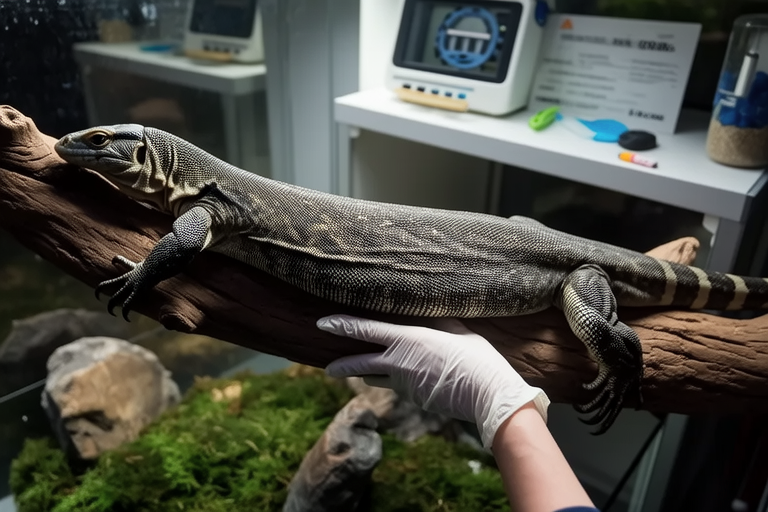
Caring for an Exotic Water Monitor: A Comprehensive Guide
Welcome to this comprehensive guide for pet owners interested in caring for an exotic water monitor. Whether you’re a novice or an experienced owner, this guide will provide you with all the necessary information to ensure your water monitor thrives in its new home.
Habitat Setup
Setting up the right habitat is crucial for the well-being of your water monitor. These reptiles require a spacious enclosure that mimics their natural environment.
Enclosure Size
The minimum recommended size for a single adult water monitor is 6 feet long, 3 feet wide, and at least 4 feet tall. Larger enclosures are always better, especially for multiple monitors or larger individuals. The enclosure should be secure to prevent escapes and equipped with sturdy locks.
Temperature and Humidity
Water monitors thrive in tropical climates. Maintain daytime temperatures between 85°F and 95°F (29°C to 35°C) and nighttime temperatures around 75°F to 85°F (24°C to 29°C). Use heat lamps, under-tank heaters, or ceramic heat emitters to achieve these temperatures. Install a digital thermometer and hygrometer to monitor temperature and humidity levels accurately. Aim for humidity levels between 70% and 90%. Provide a humid hide box lined with damp moss to help with shedding.
Substrate
Choose a substrate that retains moisture but allows for drainage. Cypress mulch, coconut fiber, or eco-earth are excellent choices. Avoid substrates that can cause impaction if ingested, such as sand or gravel.
Water Source
A large water dish should be provided for soaking and drinking. Ensure it’s deep enough for the monitor to submerge completely. Change the water daily to maintain cleanliness and prevent bacterial growth.
Hiding Spots and Climbing Structures
Provide plenty of hiding spots and climbing structures. Logs, branches, cork bark, and artificial plants create a stimulating environment. Ensure all structures are securely anchored to prevent accidents.
Dietary Needs
Water monitors are omnivorous and require a balanced diet to stay healthy.
Feeding Frequency
Feed juveniles daily, while adults can be fed every other day. Adjust feeding frequency based on the individual’s appetite and body condition.
Food Types
Insects, feeder fish, small rodents, eggs, and fruits make up a varied diet. Crickets, dubia roaches, and mealworms are good insect options. Thawed frozen fish, quail, and mice can be offered occasionally. Offer a variety of fruits like bananas, mangoes, and papayas as treats. Always gut-load insects with nutritious food before offering them to your monitor.
Supplements
Supplement the diet with calcium and multivitamin powders to ensure proper nutrition. Dust insects with supplements before feeding. Follow the manufacturer’s instructions for dosage and frequency.
Hydration
Maintain a constant supply of fresh water for drinking and soaking. Regularly check the water dish to ensure it remains clean and filled.
Health Care
Regular health checks and preventive measures are essential for maintaining your water monitor’s well-being.
Veterinary Care
Establish a relationship with a veterinarian who specializes in exotic pets. Schedule routine check-ups, vaccinations, and dental care. Be prepared for emergencies by having a list of nearby veterinarians and emergency clinics.
Common Health Issues
Monitor for signs of illness, such as lethargy, loss of appetite, respiratory issues, or skin abnormalities. Address any concerns promptly by consulting your veterinarian. Regularly check for parasites and treat as needed.
Parasite Control
Perform fecal exams annually to check for internal parasites. Treat any infestations with veterinarian-prescribed medications. Clean and disinfect the enclosure regularly to prevent the spread of parasites.
Dental Care
Monitor your water monitor’s teeth for signs of wear or damage. Provide chew toys made from safe materials to help maintain healthy teeth. Consult your veterinarian for professional cleaning and care.
Behavioral Insights
Understanding your water monitor’s behavior helps you provide the best care possible.
Activity Levels
Water monitors are active during the day, spending time basking, swimming, and exploring their enclosure. Provide ample space and enrichment to encourage natural behaviors.
Social Behavior
Water monitors are generally solitary animals and may become aggressive when housed together. If housing multiple monitors, ensure each has adequate space and resources. Supervise interactions closely to prevent conflicts.
Training and Interaction
Water monitors can be trained to recognize their owner through positive reinforcement. Offer treats and gentle handling to build trust. Never punish your monitor, as this can lead to fear and aggression.
Environmental Enrichment
Provide environmental enrichment to stimulate mental and physical activity. Rotate toys, add new climbing structures, and introduce novel stimuli to keep your monitor engaged.
Tips for Handling
Handling your water monitor safely and effectively requires patience and practice.
Preparation
Ensure your hands are clean and free of strong odors before handling. Approach your monitor calmly and confidently. Place your hand gently on its back and allow it to climb onto your arm or shoulders. Support its body fully throughout the handling session.
Duration and Frequency
Handle your water monitor for short periods, gradually increasing duration as it becomes more comfortable. Limit handling sessions to avoid stressing the animal. Avoid handling shortly after feeding to prevent regurgitation.
Signs of Stress
Monitor for signs of stress, such as hissing, tail thrashing, or attempting to bite. If your monitor shows signs of stress, stop handling immediately and give it time to settle.
Safe Handling Techniques
Always support your water monitor’s body weight. Never lift it by its tail or limbs. Use a secure harness or leash for outdoor excursions. Handle your monitor with care and respect to build a trusting relationship.
Conclusion
Caring for a water monitor is a rewarding experience that requires dedication and knowledge. By following the guidelines outlined in this comprehensive guide, you can provide your water monitor with a healthy, stimulating, and enriching environment. Remember to consult with experts and fellow enthusiasts for additional advice and support. With proper care, your water monitor will thrive and bring joy to your home.
