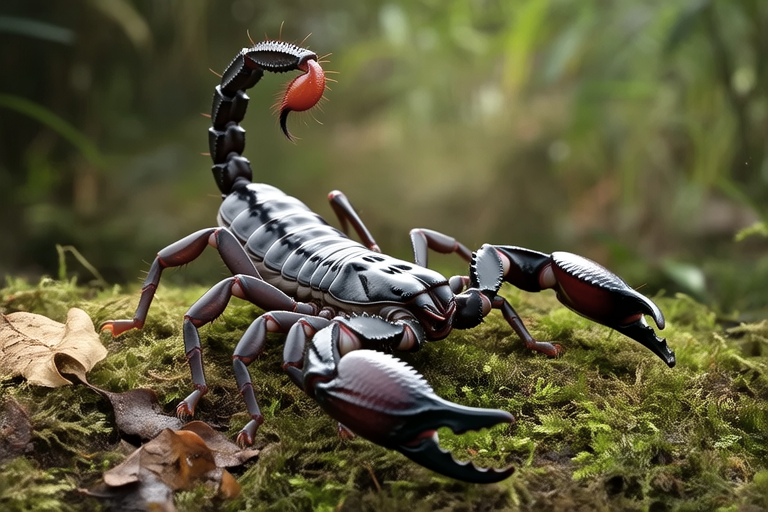
Welcome to Your Heterometrus Spinifer Care Guide
As a new owner of a Heterometrus spinifer, commonly known as the Indian Ornamental Scorpion, you’re embarking on an exciting journey into the world of exotic pets. This guide will walk you through everything you need to know to provide the best care for your scorpion, from setting up its habitat to understanding its dietary needs and ensuring its overall health.
Habitat Setup: Creating a Comfortable Home
Your Heterometrus spinifer will thrive in an environment that mimics its natural habitat. This section covers the essentials of creating a safe and stimulating home for your pet.
Enclosure Size
Choose an enclosure that provides ample space for your scorpion to move around. A 10-gallon tank is suitable for one adult, but larger enclosures are preferable if you plan to house multiple scorpions. Ensure the enclosure has a secure lid to prevent escapes.
Substrate
The substrate is crucial for maintaining the correct humidity levels. Use a mix of coconut fiber and sand, providing a depth of at least 3 inches. This substrate combination allows for burrowing and helps maintain the right moisture balance.
Temperature and Humidity
Keep the temperature between 78°F and 86°F (25°C to 30°C) during the day, dropping slightly at night. Use a digital thermometer to monitor these levels. Maintain humidity between 60% and 80% by misting the enclosure daily and ensuring there’s a water dish available. Avoid over-humidifying, which can lead to mold growth.
Hiding Places and Decorations
Provide plenty of hiding spots such as cork bark, rocks, and small caves. These help reduce stress and allow your scorpion to feel secure. Ensure all decorations are securely placed to prevent collapses.
Dietary Needs: Feeding Your Scorpion
Proper nutrition is key to your scorpion’s health. This section details what, when, and how much to feed your pet.
Feeding Schedule
Feed your Heterometrus spinifer once every 7 to 10 days. Younger scorpions may require more frequent meals. Always offer live prey to stimulate natural hunting behaviors.
Appropriate Food Types
Offer crickets, mealworms, and super worms as part of a balanced diet. Occasionally, supplement with small roaches or dubia roaches for variety. Gut load the insects with nutrient-rich vegetables before feeding them to your scorpion.
Nutritional Considerations
Ensure your scorpion receives a varied diet to avoid nutritional deficiencies. Rotate the types of insects offered to provide different nutrients. Avoid feeding wild-caught insects, as they may carry parasites or pesticides.
Handling and Safety Tips
While Heterometrus spinifer is generally docile, it’s important to handle them safely to avoid injury to both you and your pet.
Safety Measures
Always wear gloves when handling your scorpion. Use tongs or forceps to transfer it from one area to another within its enclosure. Never grab your scorpion directly, as this can cause stress and increase the likelihood of a defensive sting.
Recognizing Stress and Illness
Monitor your scorpion for signs of stress or illness. Lethargy, loss of appetite, and unusual behavior may indicate health issues. If you notice any changes in your scorpion’s appearance or activity level, consult a veterinarian specializing in exotic animals.
Behavioral Insights: Understanding Your Pet
Understanding your scorpion’s behavior can help you better care for it and create a positive relationship.
Interacting with Your Scorpion
While scorpions are not typically handled like traditional pets, you can interact with them by observing their movements and behaviors. Spend time watching your scorpion explore its enclosure and engage in natural activities.
Promoting Positive Behavior
To promote positive behavior, maintain a consistent routine and keep the environment stable. Avoid sudden changes in lighting or temperature, as these can cause stress. Regularly clean the enclosure to prevent the buildup of waste and potential health risks.
Common Health Issues
Despite being hardy creatures, Heterometrus spinifer can face certain health challenges. This section covers some of the most common issues and how to address them.
Molting
Molting is a natural process where your scorpion sheds its exoskeleton. During this time, your scorpion may appear lethargic and stop eating. Ensure the enclosure remains humid and free of disturbances. After molting, the new exoskeleton will be soft and vulnerable. Avoid handling your scorpion until it has fully hardened.
Parasites and Infections
Parasites and infections can occur if the enclosure is not kept clean or if the scorpion is fed contaminated prey. Regularly inspect your scorpion for signs of parasites, such as mites or ticks. Keep the enclosure clean and disinfected to prevent bacterial and fungal infections.
Conclusion
Owning a Heterometrus spinifer is a rewarding experience that requires commitment and knowledge. By following this guide, you’ll be well-equipped to provide the best possible care for your pet. Remember, the key to a healthy and happy scorpion is a well-maintained habitat, a balanced diet, and regular monitoring of its health and behavior. Enjoy the fascinating world of your Heterometrus spinifer!
