DIY Bearded Dragon Habitat Hacks That Will Amaze You
Welcome to the fascinating world of bearded dragons! These charismatic reptiles are popular pets due to their unique appearance, gentle demeanor, and relatively straightforward care requirements. However, providing the best possible living conditions for your bearded dragon is crucial for its health and happiness. A well-designed habitat not only ensures that your pet stays healthy but also enhances its quality of life. In this article, we’ll explore various DIY hacks to create or enhance your bearded dragon’s habitat, focusing on cost-effective solutions and easy-to-follow instructions.
The Importance of a Well-Designed Habitat
A proper habitat mimics the natural environment of bearded dragons, which originally come from the arid regions of Australia. This includes specific temperature ranges, lighting, humidity levels, and hiding spots. By replicating these conditions, you can help prevent illnesses and stress-related behaviors in your pet. Additionally, a well-designed habitat promotes natural behaviors such as basking, digging, and exploring.
8-10 Innovative DIY Hacks for Creating or Enhancing a Bearded Dragon’s Habitat
1. Custom Basking Spot
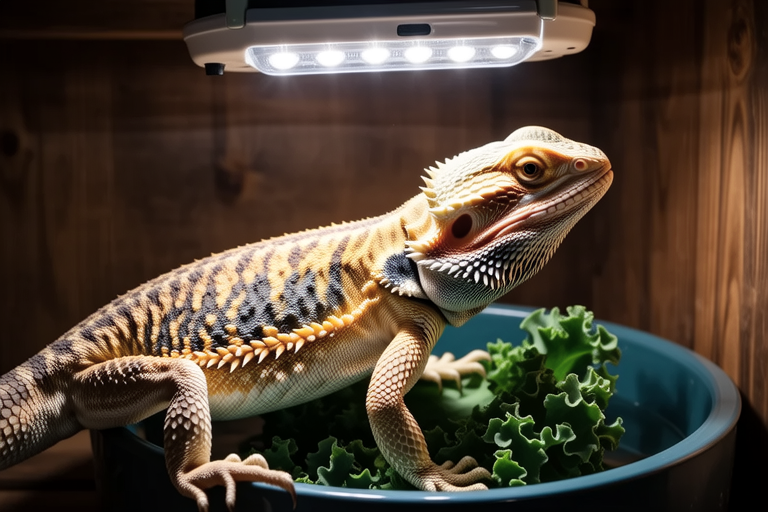
One of the most important aspects of a bearded dragon’s habitat is the basking spot. This area should be heated to around 95-110°F (35-43°C) to allow your dragon to thermoregulate. To create a custom basking spot, you can use a large flat rock or a ceramic tile. Place a heat lamp above it to provide the necessary warmth. Ensure that the heat source is safely positioned away from any flammable materials and that there’s a thermal gradient throughout the enclosure for your dragon to move between warmer and cooler areas.
2. DIY Water Fountain
Water fountains not only add aesthetic appeal but also help maintain humidity levels within the habitat. Create a simple water fountain using a small submersible pump and some decorative stones. Place the pump at the bottom of a shallow dish filled with water and cover it with stones. The water will circulate through the stones, creating a gentle flow that can help increase humidity while providing a refreshing sight for your bearded dragon.
3. Homemade Hide Boxes
Bearded dragons need places to hide to feel secure. Instead of buying expensive hide boxes, you can make your own using cardboard boxes or plastic containers. Cut an entrance hole and line the inside with soft fabric or paper towels. Ensure that the box is large enough for your dragon to fit comfortably and that ventilation is adequate. Regularly clean and replace the lining to maintain hygiene.
4. Naturalistic Backgrounds
Adding a naturalistic background to your bearded dragon’s habitat can enhance its visual appeal and provide additional climbing opportunities. Use materials like cork bark, driftwood, or artificial plants. Attach these items securely to the walls of the enclosure using silicone adhesive or aquarium-safe clips. Make sure that all materials are non-toxic and safe for your pet to interact with.
5. DIY Egg Laying Box
If you plan to breed your bearded dragons, providing an egg-laying box is essential. You can create one using a plastic container filled with damp sand or vermiculite. Ensure that the substrate is moist enough to form a ball when squeezed but doesn’t drip water. Place the box in a warm, humid corner of the enclosure and cover it with a breathable lid to maintain the right conditions for egg-laying.
6. UVB Lighting Setup
UVB lighting is crucial for calcium metabolism and overall health in bearded dragons. Instead of purchasing expensive commercial setups, you can build your own using a reflective aluminum foil sheet and a high-quality UVB bulb. Position the bulb at the correct distance from the basking area (usually about 12 inches) and cover it with the foil to reflect the light back into the enclosure. Remember to replace the bulb every six months to ensure optimal UV output.
7. Temperature Gradient
Maintaining a temperature gradient within the habitat allows your bearded dragon to regulate its body temperature naturally. You can achieve this by placing a heat mat or under-tank heater at one end of the enclosure and leaving the other end unheated. Monitor the temperatures using a digital thermometer and adjust the placement of the heating elements as needed.
8. Humidity Control
While bearded dragons prefer low humidity, occasional misting can help them shed properly and stay hydrated. Create a simple misting system using a garden sprayer or a hand-held mister. Mist the enclosure lightly once or twice a day, especially during shedding periods. Avoid over-misting, as excessive moisture can lead to respiratory issues.
9. Decorative Rocks and Plants
Incorporating rocks and plants into your bearded dragon’s habitat can make it more visually appealing and enrich the environment. Choose smooth, non-porous rocks that won’t scratch your dragon’s skin. Artificial plants are safer than live ones, as they eliminate the risk of pesticide exposure. Arrange the rocks and plants in a way that encourages exploration and provides multiple levels for climbing.
10. Water Bowl Design
Designing an aesthetically pleasing and functional water bowl can enhance your bearded dragon’s hydration experience. Use a shallow dish made from non-porous material, such as glass or ceramic. To prevent tipping, place the dish on a stable base or secure it with aquarium-safe silicone. Clean the water bowl daily to maintain hygiene and provide fresh water for your dragon.
Selecting Appropriate Materials, Ensuring Safety, and Maintaining Hygiene
When selecting materials for your bearded dragon’s habitat, always prioritize safety and hygiene. Opt for non-toxic, non-porous substrates and decorations to minimize the risk of ingestion or injury. Regular cleaning and maintenance are crucial to prevent the buildup of bacteria and parasites. Disinfect the enclosure and all accessories weekly using a reptile-safe cleaner and thoroughly rinse before reuse.
Monitoring Your Bearded Dragon’s Behavior
After making changes to your bearded dragon’s habitat, closely observe its behavior to ensure that the modifications are positively received. Look for signs of stress, such as lethargy, loss of appetite, or excessive hiding. If you notice any concerning behaviors, revert to the previous setup and consult with a veterinarian or experienced reptile keeper for guidance.
Creating or enhancing your bearded dragon’s habitat doesn’t have to break the bank. With a little creativity and effort, you can provide your pet with a stimulating and comfortable environment that promotes its well-being. Happy crafting!
