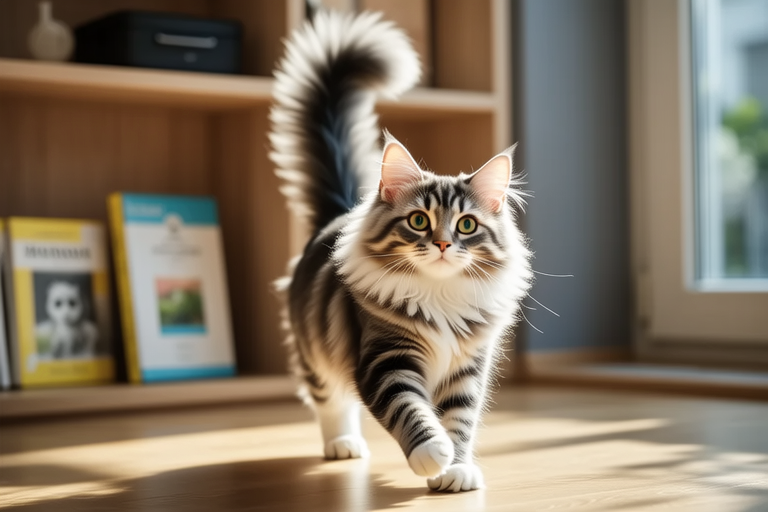
A Guide to Caring for Your Devon Rex: Tips from Expert Owners
The Devon Rex is a breed of cat known for its unique appearance and playful personality. With their curly coats and large ears, they are often referred to as the pixie of the cat world. However, owning a Devon Rex requires special care and attention due to their distinct physical and behavioral traits. This guide offers expert advice and personal anecdotes from seasoned Devon Rex owners to help you provide the best care for your feline friend.
Understanding the Unique Characteristics of Devon Rex Cats
Devon Rex cats are known for their distinctive curly coats and big ears, which give them a whimsical appearance. Their coat is made up of short, fine hairs, and while it may look like they need extensive grooming, this isn’t always the case. The Devon Rex’s coat is prone to matting, especially around the neck and tail, so regular brushing is necessary to keep their fur in good condition. Additionally, their large ears can be susceptible to ear infections if not properly maintained.
One owner shared her experience: “My Devon Rex, Luna, has such delicate ears. I noticed she would scratch at them occasionally, so I started cleaning them regularly with a cotton ball dipped in warm water. It has really helped prevent any infections.”
Dietary Needs of Devon Rex Cats
Feeding a Devon Rex cat requires careful consideration of their nutritional needs. These cats have a high metabolism, meaning they burn through food quickly. As a result, they require a diet rich in protein and fat to maintain their energy levels. It’s important to choose a high-quality cat food that meets their dietary requirements. Wet food can be particularly beneficial as it provides additional hydration and moisture, which can be especially helpful for cats who don’t drink enough water.
An expert veterinarian advises, “Devon Rex cats are prone to obesity if overfed, so portion control is key. I recommend feeding small meals throughout the day rather than one large meal.”
Grooming Routines for Devon Rex Cats
Despite their short fur, Devon Rex cats still require regular grooming to keep their coat healthy and free of mats. Brushing your Devon Rex once or twice a week can help remove loose hair and prevent matting. Many owners also recommend using a slicker brush or a soft bristle brush to gently smooth out their fur.
One owner shares, “I found that my Devon Rex, Oliver, loves being brushed. He rolls onto his back and purrs the entire time. It’s a great bonding activity for us.”
In addition to brushing, it’s important to check your Devon Rex’s ears regularly for signs of infection or wax buildup. Clean their ears with a cotton ball dipped in warm water and a gentle ear cleaner recommended by your veterinarian. Trimming their nails every few weeks is also essential to prevent overgrowth and scratching issues.
Health Considerations for Devon Rex Cats
Devon Rex cats are generally healthy, but there are some health conditions that owners should be aware of. They are prone to certain genetic disorders, including hypertrophic cardiomyopathy (HCM), a heart disease that can lead to sudden death. Regular veterinary check-ups are crucial for early detection and management of this condition.
Another common issue is patellar luxation, where the kneecap dislocates. This can cause discomfort and mobility issues. Early intervention and treatment are vital to manage this condition effectively.
Expert advice from a veterinary surgeon states, “Regular check-ups are essential for Devon Rex cats. We recommend a comprehensive physical examination at least once a year, and more frequently if the cat has any pre-existing conditions.”
Behavioral Insights into Devon Rex Cats
Devon Rex cats are known for their playful and affectionate nature. They are highly social animals that enjoy interacting with their owners and other pets. Many owners describe their Devon Rex as the “clown” of the household, always finding ways to entertain and engage with their human companions.
One owner recounts, “My Devon Rex, Bella, loves to play fetch. She will bring me toys and wait for me to throw them. It’s like having a puppy!”
While Devon Rex cats are generally friendly, they can be quite vocal. They communicate their needs and desires through chirping, trilling, and even mimicking sounds. Some owners find their vocalizations endearing, while others may prefer a quieter pet. Training your Devon Rex to use a scratching post can help redirect their natural scratching behavior and protect your furniture.
Creating a Safe and Stimulating Environment for Devon Rex Cats
Providing a safe and stimulating environment is essential for the well-being of your Devon Rex cat. They are curious creatures that love to explore, so it’s important to cat-proof your home. Secure windows and balconies, and ensure that all toxic plants and chemicals are kept out of reach. Providing plenty of vertical space, such as cat trees and shelves, can help satisfy their climbing instincts.
One owner suggests, “I installed a cat walk along the top of my bookshelves. My Devon Rex, Charlie, loves to walk along it and observe everything from above. It’s a great way to keep him entertained.”
Conclusion
Owning a Devon Rex cat can be a rewarding and enjoyable experience. By understanding their unique characteristics and providing proper care, you can ensure your Devon Rex leads a happy and healthy life. From their dietary needs to their grooming routines and health considerations, each aspect of their care is important. By following the advice and personal experiences shared by expert owners, you’ll be well-equipped to provide the best possible care for your beloved Devon Rex.
