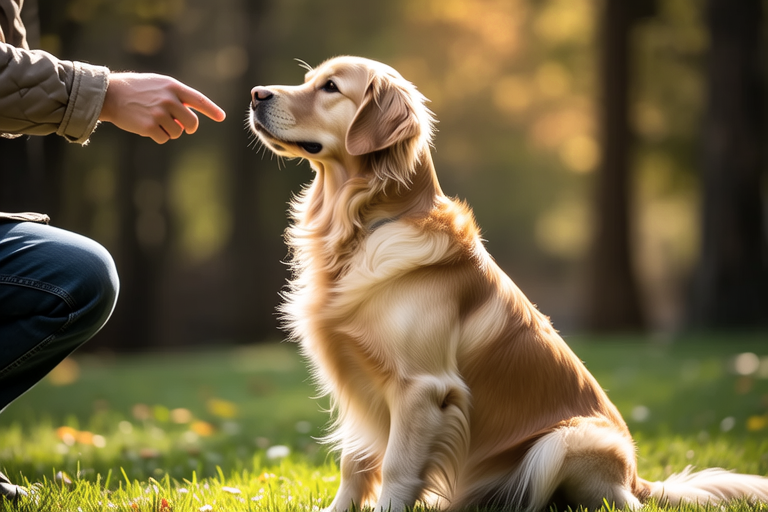
Training Tips for Raising a Well-Behaved Golden Retriever
Welcome to the wonderful world of Golden Retrievers! These gentle giants are known for their loyalty, intelligence, and affectionate nature. However, like any other breed, they require proper training to become well-behaved companions. This guide will provide you with essential training methods, positive reinforcement techniques, the importance of socialization, basic commands, exercise needs, and solutions to common behavioral issues.
The Importance of Positive Reinforcement
Positive reinforcement is the cornerstone of effective dog training. It involves rewarding your Golden Retriever for good behavior, which encourages them to repeat that behavior. Rewards can be treats, praise, or playtime. By focusing on what your dog does right, rather than punishing mistakes, you build a strong bond based on trust and mutual respect.
When using treats as rewards, choose small, soft treats that won’t upset your dog’s stomach. Praise should be enthusiastic but not overwhelming, and playtime should be fun but controlled. Remember, consistency is key. Always reward the desired behavior immediately after it occurs so your dog can make the connection between the action and the reward.
Essential Training Methods
To train your Golden Retriever effectively, consider these methods:
- Clicker Training: This method uses a clicker to mark the exact moment your dog performs a desired behavior. The click is followed by a treat. Over time, your dog will associate the click with something positive, making it easier to teach new behaviors.
- Lure-Reward Training: In this method, you use a treat to lure your dog into performing a specific action. Once the action is performed, you reward your dog with the treat. This technique is particularly useful for teaching basic commands.
- Model-Rival Technique: Dogs learn by observing others. This technique involves having another person or dog model the desired behavior for your Golden Retriever. When your dog sees the correct behavior being rewarded, they’re more likely to imitate it.
The Importance of Socialization
Socialization is crucial for raising a well-adjusted Golden Retriever. Early exposure to various people, animals, environments, and situations helps your dog develop confidence and good manners. Start socializing your puppy from around 3 weeks of age, gradually increasing the complexity of experiences as they grow older.
During socialization, ensure that all interactions are positive. Introduce your Golden Retriever to different environments, sounds, and smells. Encourage them to meet new people and animals under controlled conditions. Avoid overwhelming your dog with too many new experiences at once, as this can lead to anxiety.
Basic Commands Every Golden Retriever Should Know
Your Golden Retriever should know the following basic commands:
- Sit: Hold a treat above your dog’s head and say “sit.” As your dog looks up, their bottom will naturally lower to the ground. Reward them immediately when they sit. Practice this command in different locations and with varying distractions to reinforce it.
- Stay: Begin by asking your dog to sit. Then, extend your hand toward them while saying “stay.” Take a few steps back, then return and reward your dog if they remain in place. Gradually increase the distance and duration of the stay over time.
- Come: Teach your Golden Retriever to come when called by using a short leash in a safe, enclosed area. Say “come” in an upbeat tone and reward your dog with a treat when they approach you. Repeat this exercise multiple times daily until your dog reliably comes when called.
- Down: Start with your dog sitting. Hold a treat in front of their nose and slowly move it down toward the floor. As your dog lowers their body, say “down.” Reward them when they’re fully in position. Practice this command in various settings to ensure reliability.
- Leave It: Place a treat in your closed hand and show it to your dog. If they try to take it, close your hand tighter and say “leave it.” Once your dog stops trying to get the treat, open your hand and give them a different treat as a reward. Repeat this process several times until your dog learns to leave the item alone.
Exercise Needs of a Golden Retriever
Golden Retrievers are energetic dogs that require regular exercise to maintain their physical and mental health. They need at least one hour of exercise per day, including walks, runs, and play sessions. Exercise not only helps prevent obesity but also reduces destructive behavior caused by pent-up energy.
Interactive toys, such as puzzle feeders and fetch games, can also help stimulate your Golden Retriever mentally. Rotate toys regularly to keep your dog interested and engaged. Consider enrolling your dog in activities like agility courses or flyball to provide structured exercise and mental stimulation.
Common Behavioral Issues and Solutions
Like any other breed, Golden Retrievers may exhibit certain behavioral issues. Here are some common problems and how to address them:
- Chewing: Chewing is a natural behavior for puppies, but it can become problematic if not managed properly. Provide your Golden Retriever with appropriate chew toys and redirect them to these items when they start chewing on inappropriate objects. Praise and reward them for choosing the correct toy.
- Destructive Behavior: Destructive behavior often stems from boredom or lack of exercise. Ensure your Golden Retriever gets enough physical and mental stimulation throughout the day. Crate training can also be helpful for housebreaking and preventing destruction during unsupervised periods.
- Barking: Excessive barking can be annoying but is usually a sign that your dog wants attention or feels anxious. Identify the trigger for the barking and address it appropriately. For example, if your dog barks at strangers, gradually introduce them to people in a controlled environment. If your dog barks out of boredom, provide more stimulating activities.
- Separation Anxiety: Separation anxiety can cause your Golden Retriever to become stressed when left alone. Gradually accustom your dog to being alone by starting with short absences and gradually increasing the duration. Leave a radio or TV on to provide background noise and comfort. Consider crate training as a way to create a safe space for your dog when you’re away.
Conclusion
Raising a well-behaved Golden Retriever requires patience, consistency, and dedication. By incorporating positive reinforcement techniques, essential training methods, socialization, and addressing common behavioral issues, you can ensure your dog becomes a loyal and loving companion. Remember, every dog is unique, so tailor your approach to suit your Golden Retriever’s individual needs. With the right guidance, your Golden Retriever will thrive and bring joy to your life for years to come.
