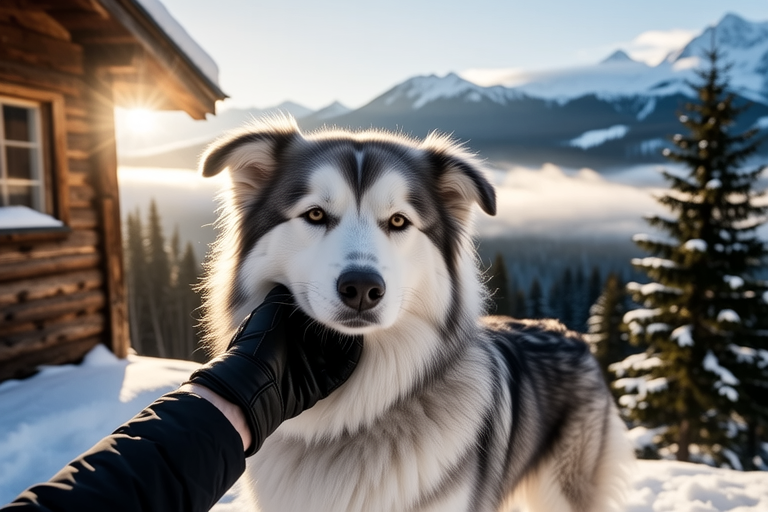
How to Care for a Norwegian Dog Breed Like a Pro
Welcome to the world of Norwegian dog breeds! These dogs are not only beautiful but also possess unique characteristics that make them stand out from other breeds. From their sturdy builds to their loyal and energetic personalities, Norwegian dog breeds such as the Norwegian Elkhound, Lundehund, and Buhund are perfect companions for active families or individuals looking for a spirited partner. In this guide, we will explore how to care for these wonderful creatures like a pro, covering everything from diet and grooming to exercise and training.
Introduction: Unique Characteristics of Norwegian Dog Breeds
Norwegian dog breeds are known for their resilience and adaptability, having been bred over centuries to thrive in the harsh Nordic environment. They are typically medium-sized, with a strong, muscular build that allows them to endure long hours of work in the field. Their double coats provide excellent insulation against cold weather, while their alert and intelligent nature makes them quick learners and reliable watchdogs. Norwegian dogs are also incredibly loyal and bond strongly with their owners, making them ideal family pets.
Dietary Needs: Balanced Nutrition and Breed-Specific Considerations
Proper nutrition is crucial for maintaining the health and vitality of your Norwegian dog. A balanced diet should include high-quality protein sources, healthy fats, and carbohydrates. Norwegian dogs have specific dietary needs due to their active lifestyle and dense coats. Protein is essential for muscle development and repair, while fats provide energy and help maintain skin and coat health. Carbohydrates supply necessary fiber and nutrients for overall well-being.
For breed-specific dietary considerations, Norwegian Elkhounds benefit from a diet rich in omega-3 fatty acids to support their thick, double coats. Lundehunds require a low-fat diet to prevent digestive issues, and Buhunds may need additional calcium to support their strong bones. Always consult with your veterinarian to determine the best diet for your particular breed and individual dog’s needs.
Grooming Tips: Coat Care, Nail Trimming, and Bathing Routines
Grooming is an important part of caring for your Norwegian dog, as it helps keep them clean, comfortable, and free from potential health issues. Norwegian dogs have double coats that shed seasonally, so regular brushing is essential to remove loose hair and prevent matting. Use a slicker brush or comb to gently detangle their fur, paying special attention to areas prone to knots, such as behind the ears and under the legs.
Nail trimming is another key aspect of grooming. Long nails can cause discomfort and affect your dog’s posture, so it’s important to trim them regularly. If you’re unsure about how to trim your dog’s nails safely, consider taking them to a professional groomer or veterinary clinic. Additionally, check your dog’s ears weekly for signs of infection or wax buildup, and clean them gently with a cotton ball and ear-cleaning solution recommended by your vet.
Bathing your Norwegian dog should be done sparingly, as too frequent bathing can strip their natural oils and lead to dry skin. Instead, focus on spot cleaning areas that become dirty or smelly between baths. When it’s time for a full bath, use a mild shampoo formulated for dogs and avoid getting water into their ears or eyes. After bathing, thoroughly dry your dog with a towel and use a blow dryer set to a cool setting if necessary.
Exercise Requirements: Appropriate Activities and Mental Stimulation
Exercise is vital for keeping your Norwegian dog physically fit and mentally stimulated. Norwegian dogs are highly energetic and require daily physical activity to maintain their health and happiness. Depending on the breed, they may enjoy activities such as running, hiking, swimming, or playing fetch. For instance, Norwegian Elkhounds excel at endurance sports like mushing, while Lundehunds prefer shorter bursts of intense activity followed by rest.
Mental stimulation is equally important for these intelligent dogs. Puzzle toys, obedience training, and interactive games can help keep their minds sharp and engaged. Consider incorporating scent work or agility training into your routine to challenge your dog mentally and physically. Remember that each dog has its own preferences, so observe your pet’s behavior and adjust your activities accordingly.
Health Concerns: Common Ailments and Preventative Care
Like all dogs, Norwegian breeds are susceptible to certain health issues. Some common ailments include hip dysplasia, elbow dysplasia, and eye problems such as cataracts and progressive retinal atrophy. Regular veterinary check-ups are essential for early detection and treatment of these conditions. Vaccinations, parasite prevention, and dental care are also important components of preventative healthcare.
To ensure your dog remains healthy, schedule annual wellness exams with your veterinarian. During these visits, discuss any changes in your dog’s behavior or appearance that might indicate underlying health issues. Additionally, maintain a consistent feeding schedule and monitor your dog’s weight to prevent obesity, which can exacerbate joint problems and shorten lifespan.
Training Advice: Positive Reinforcement Techniques Tailored to Norwegian Breeds
Training your Norwegian dog requires patience, consistency, and positive reinforcement. Norwegian dogs are intelligent and eager to please, making them quick learners when trained correctly. Positive reinforcement techniques, such as rewarding good behavior with treats, praise, or playtime, encourage desirable actions without causing fear or frustration.
Begin training sessions with basic commands like sit, stay, come, and heel. Use short, frequent training sessions to keep your dog engaged and focused. Gradually increase the difficulty of commands as your dog masters each step. Socialization is also crucial during puppyhood; expose your dog to various environments, people, and other animals to promote confidence and good manners.
Socialization and Bonding: Tips for Effective Relationships
Socializing your Norwegian dog is essential for developing a strong bond and ensuring they grow up to be well-adjusted adults. Start socialization early, introducing your puppy to different people, places, and situations. This exposure helps them become comfortable and confident in various settings. Continue socialization throughout adulthood by regularly exposing your dog to new experiences and environments.
To strengthen your relationship with your Norwegian dog, spend quality time together engaging in activities they enjoy. Whether it’s playing fetch, going for walks, or simply cuddling on the couch, spending time with your dog fosters trust and affection. Additionally, establish clear communication through consistent commands and positive reinforcement, allowing your dog to understand what is expected of them.
