Hermit Crabs 101: Everything New Owners Need to Know Before Buying
Welcome to the wonderful world of hermit crabs! These fascinating creatures are becoming increasingly popular as pets due to their unique appearance and relatively low maintenance requirements. However, before you rush out to purchase your first hermit crab, it’s important to understand the basics of their care and the commitment involved in keeping them happy and healthy. This guide will walk you through everything you need to know about hermit crabs, from setting up their habitat to understanding their dietary needs and common health issues.
Understanding Hermit Crabs
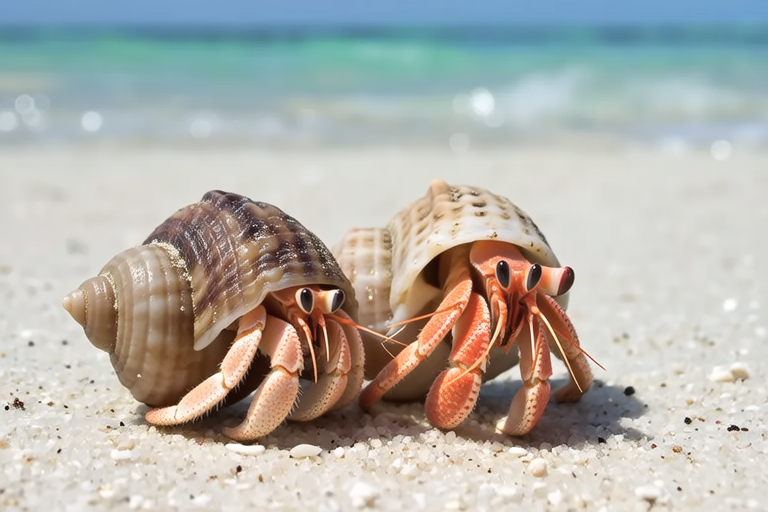
Hermit crabs are crustaceans that live in borrowed shells, using them to protect their soft bodies. They are social animals that thrive when kept in groups, so it’s recommended to have at least two hermit crabs if you’re thinking about bringing one into your home. They come in various sizes and colors, each with its own unique shell preference.
The Importance of Research Before Purchasing
Before buying hermit crabs, take some time to research and learn about their specific needs. Many pet stores may not provide all the necessary information, so it’s crucial to be well-informed. Understanding what hermit crabs require can help prevent common mistakes and ensure a positive experience for both you and your new pets.
Habitat Setup
Creating a suitable habitat for your hermit crabs is one of the most critical aspects of their care. A proper setup will keep them healthy and content. Here’s how to set up the perfect environment:
- Tank Size: A minimum of 10 gallons per crab is recommended, but larger tanks are better. The more space, the happier they will be.
- Substrate: Use a mixture of sand and coconut fiber or crushed coral. This substrate allows for burrowing and molting.
- Temperature and Humidity: Maintain temperatures between 75°F and 85°F (24°C to 29°C) and humidity levels around 70-80%. A heat lamp and humidifier can help achieve this.
- Shelters and Hiding Places: Provide multiple hiding spots such as small caves or half-coconut shells.
- Water Sources: Offer fresh and saltwater dishes for drinking and soaking. Change the water regularly to prevent bacterial growth.
Dietary Needs
Hermit crabs are omnivores and enjoy a varied diet. Their staple foods include commercial hermit crab food, fruits, vegetables, and occasional protein sources like boiled chicken or shrimp. Always ensure that any food you offer is safe and free from pesticides or harmful chemicals. Fresh and clean water is also essential, so always provide fresh water daily.
Common Health Issues
While hermit crabs are generally hardy, they can still face health problems. Some common issues include:
- Molting Problems: Molting is a natural process where hermit crabs shed their exoskeleton. During this time, they need extra calcium and a moist environment. If a crab remains hidden for too long, it might be having trouble molting.
- Fungal Infections: Poor hygiene and high humidity can lead to fungal infections. Regular cleaning and maintaining proper humidity levels can prevent these issues.
- Bacterial Infections: Bacteria can thrive in dirty water dishes. Keeping the tank clean and ensuring proper water quality can help avoid bacterial infections.
Behavioral Insights
Hermit crabs are nocturnal and spend much of their day hiding or resting. They are social creatures and enjoy interacting with others of their kind. You may observe them climbing, exploring, and even playing together. Providing enrichment activities, such as toys or tunnels, can stimulate their natural behaviors and keep them entertained.
Tank Mates Compatibility
Hermit crabs can coexist with other compatible species in a shared tank. Compatible tank mates include certain species of fish, snails, and shrimp. However, it’s essential to research thoroughly to ensure compatibility and avoid introducing aggressive or incompatible species. Additionally, consider the size and behavior of potential tank mates to ensure they won’t harm your hermit crabs.
The Commitment Required for Ownership
Owning hermit crabs requires a significant commitment. While they are low-maintenance compared to other pets, they still need regular care and attention. This includes monitoring their habitat conditions, feeding them appropriately, and ensuring their health. Hermit crabs can live for several years with proper care, so be prepared for a long-term commitment.
Dispelling Myths About Hermit Crab Care
There are many misconceptions about hermit crab care. One common myth is that hermit crabs don’t need much attention. While they are relatively independent, they still require a well-maintained habitat and regular care. Another myth is that hermit crabs can survive in small enclosures. In reality, they need ample space to move around and explore. Lastly, some believe that hermit crabs can eat anything. However, it’s crucial to provide a balanced diet to ensure their health.
Actionable Tips for New Owners
To ensure your hermit crabs thrive, follow these practical tips:
- Regularly check the temperature and humidity levels in their habitat.
- Change the water dishes frequently to maintain cleanliness.
- Provide a variety of foods to meet their nutritional needs.
- Observe your hermit crabs daily to monitor their behavior and health.
- Be patient and give them time to adjust to their new environment.
Conclusion
Hermit crabs are delightful pets that can bring joy and companionship to your home. By understanding their needs and providing a suitable environment, you can ensure they live long, healthy lives. Remember, owning hermit crabs is a rewarding experience that requires commitment and dedication. With the right knowledge and care, you’ll have a thriving hermit crab community in no time.
