Unraveling the Mystery Behind Betta’s Vibrant Colors
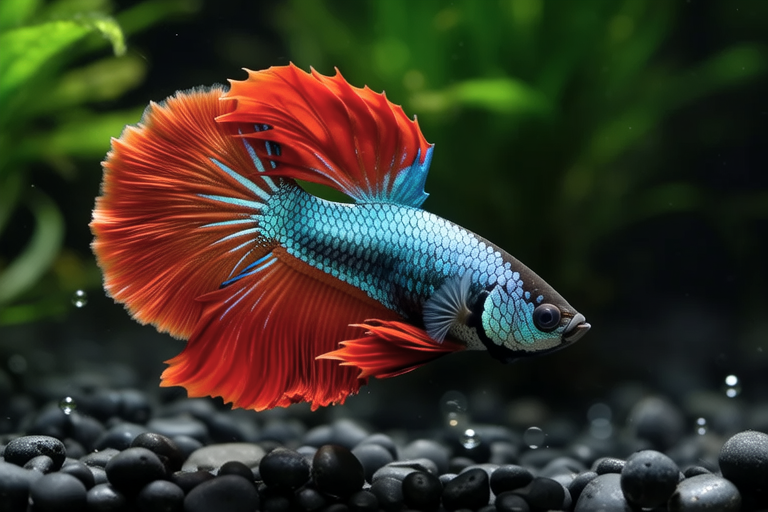
The betta fish, often referred to as the Siamese fighting fish, is one of the most popular choices among aquarium enthusiasts. Renowned for its striking and vibrant colors, this small, yet captivating creature has charmed many hobbyists with its beauty. The betta fish is not only admired for its aesthetic appeal but also for its unique behavior and adaptability. In this article, we delve into the mystery behind the betta’s colorful appearance, exploring the biological, genetic, dietary, and environmental factors that contribute to its stunning hues.
The Biological Basis of Betta’s Coloration
The vivid colors of the betta fish serve multiple purposes, primarily in mating displays and species recognition. These colors are the result of specialized cells called chromatophores, which are distributed throughout the fish’s skin. Chromatophores are responsible for producing various pigments that create the array of colors seen in betta fish. There are several types of chromatophores, each contributing to different aspects of the fish’s appearance:
- Xanthophores: These cells produce yellow pigments, adding warmth and brightness to the betta’s palette.
- Erythrophores: These cells generate red pigments, contributing to the deep, rich tones that make bettas so visually striking.
- Iridophores: These cells reflect light, creating iridescent effects and enhancing the overall brilliance of the fish’s colors.
The combination of these chromatophores allows betta fish to display an impressive range of colors and patterns. During mating displays, male bettas intensify their colors to attract females and intimidate rivals. This color change is triggered by hormones and neural signals, demonstrating the intricate connection between physiology and behavior in these fish.
The Role of Genetics in Betta Coloration
Genetics play a crucial role in determining the specific coloration of betta fish. Breeders have selectively bred bettas over generations to enhance particular traits, including color intensity and pattern variations. Through selective breeding, certain genes can be amplified or suppressed, leading to the creation of new color morphs and varieties. Some of the most popular color variations include:
- Marble: This variety features irregular patches of color, giving the fish a marbled appearance.
- Halfmoon: Known for its extended tail fin that forms a half-moon shape, this variety often comes in bright colors.
- Platinum: A silvery-white coloration that highlights the fish’s reflective scales.
- Pintail: Characterized by a long, flowing tail that can be any color.
Breeders continue to explore new possibilities, pushing the boundaries of what bettas can look like. Understanding the genetic basis of coloration helps breeders make informed decisions when selecting fish for breeding programs, ensuring the continuation of vibrant and diverse color morphs.
Dietary Influences on Betta Color Intensity
The diet of a betta fish plays a significant role in maintaining and enhancing its coloration. A balanced diet rich in nutrients supports the health of chromatophores, thereby improving the vibrancy of the fish’s colors. Essential nutrients for color enhancement include carotenoids, which are pigments found in plants and algae. Foods high in carotenoids, such as brine shrimp, bloodworms, and spirulina-enriched flakes, can help bettas develop more intense and brighter colors. Additionally, a diet that includes a variety of protein sources ensures the betta receives all necessary amino acids for optimal health and color development.
It is important to note that while diet can influence color intensity, it cannot alter the genetic predisposition of the fish. Therefore, feeding a nutritious diet is essential for maintaining the natural coloration of the betta but will not turn a dull-colored betta into a brightly colored one.
Environmental Factors and Their Impact on Coloration
The environment in which a betta fish lives also affects its coloration. Factors such as water quality, temperature, and lighting can either enhance or diminish the vibrancy of the fish’s colors. Maintaining clean, well-filtered water is crucial for the overall health of the betta, which in turn supports the health of its chromatophores. Ammonia and nitrite levels should be kept at zero, and nitrate levels should be kept low to ensure optimal conditions for the fish.
Water temperature should be maintained between 76°F and 82°F (24°C and 28°C) to keep the betta comfortable and healthy. Temperatures outside this range can stress the fish, leading to a duller appearance. Proper lighting is also important, as exposure to natural sunlight or full-spectrum artificial lights can stimulate the production of pigments in the fish’s skin.
Tips for Enhancing and Maintaining Betta’s Vibrant Colors
To ensure your betta fish remains vibrant and healthy, follow these tips:
- Provide a Balanced Diet: Feed your betta a variety of high-quality foods, including those enriched with carotenoids.
- Optimize Water Conditions: Regularly test and maintain appropriate water parameters to prevent stress on the fish.
- Maintain Suitable Temperature: Keep the water temperature within the recommended range to avoid stressing the fish.
- Use Appropriate Lighting: Provide adequate lighting to stimulate pigment production and enhance coloration.
- Minimize Stress: Avoid overcrowding and provide hiding spots to reduce stress, which can lead to dull colors.
New Insights into Betta Color Variation
Recent studies have shed light on additional factors contributing to the color variation observed in betta fish. One area of interest is the role of epigenetics, which refers to changes in gene expression that do not involve alterations to the DNA sequence itself. Epigenetic modifications can be influenced by environmental factors, potentially allowing for temporary changes in coloration in response to external stimuli. While still a topic of ongoing research, understanding epigenetics could provide new insights into how bettas adapt their appearances in different environments.
Another intriguing aspect of betta coloration involves the interaction between different chromatophore types. Researchers are exploring how these cells communicate and coordinate to produce the complex patterns seen in bettas. Understanding these interactions could lead to advancements in breeding techniques and the development of new color morphs.
In conclusion, the vibrant colors of betta fish are the result of a combination of biological, genetic, dietary, and environmental factors. By providing optimal care and conditions, betta owners can enhance and maintain the natural beauty of these fascinating creatures. As research continues to uncover new insights into the mechanisms behind betta coloration, there is much to look forward to in the future of betta breeding and care. Whether you’re a novice aquarist or an experienced enthusiast, appreciating the intricate details of betta coloration adds another layer of enjoyment to the hobby.
