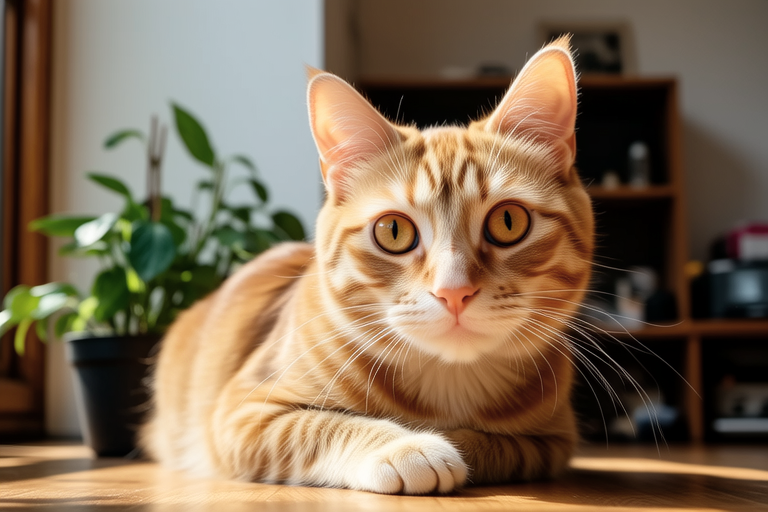
Top 10 Reasons Why an Orange Cat is the Perfect Addition to Your Home
Orange cats have long been cherished for their vibrant coats and friendly dispositions. These felines are more than just a splash of color; they bring warmth, companionship, and a touch of whimsy into homes around the world. From their sociable natures to their adaptability, there are many reasons why an orange cat could be the perfect addition to your family.
1. Friendly and Sociable Nature
One of the most striking features of orange cats is their friendly and sociable nature. They are known for their affectionate personalities and love to interact with humans. Many owners report that their orange cats seek out attention, purring contentedly as they curl up beside them on the couch or follow them from room to room.
Personal Anecdote: My friend Sarah has a gorgeous orange tabby named Charlie who is always the first to greet her when she comes home. He loves to sit on her lap while she reads and often nudges her hand for pets. His constant companionship has made him a beloved member of the household.
2. Adaptability to Different Home Environments
Orange cats are incredibly adaptable, making them suitable for a wide range of living situations. Whether you live in a small apartment or a large house, these cats can thrive in almost any environment. Their adaptability stems from their historical origins as barn cats, where they needed to be resourceful and independent.
Personal Anecdote: Lisa moved from a spacious suburban home to a tiny city apartment. She was worried her orange cat, Max, wouldn’t adjust well to the change. However, within a week, Max had found his favorite spots on the windowsill and under the bed, proving that he was perfectly comfortable in his new surroundings.
3. Health Benefits of Owning a Pet
Owning a pet, such as an orange cat, can have numerous health benefits. Studies have shown that pet owners tend to have lower blood pressure, reduced stress levels, and improved mental health. The companionship provided by these animals can be particularly beneficial for individuals living alone or dealing with loneliness.
Personal Anecdote: John, a retired teacher, adopted an orange kitten named Oreo after feeling isolated following the loss of his wife. Oreo’s presence brought joy back into his life, and John noticed a significant improvement in his mood and overall well-being.
4. Hypoallergenic Traits (If Applicable)
While no cat breed is entirely hypoallergenic, some orange cats may produce fewer allergens due to their short hair and minimal shedding. This makes them a better option for people with allergies compared to breeds with longer fur.
Personal Anecdote: Mary, who suffers from mild allergies, adopted a short-haired orange cat named Ginger. She initially worried about potential allergic reactions but was pleasantly surprised to find that Ginger barely triggered her symptoms.
5. Common Personality Traits
Orange cats are generally known for being playful, curious, and energetic. They enjoy exploring their surroundings and interacting with their environment. Their playful nature often keeps them young at heart, even as they age.
Personal Anecdote: Mark’s orange cat, Whiskers, loves to chase laser pointers and play with feather toys. Every evening, Mark dedicates time to play sessions, which not only entertains Whiskers but also strengthens their bond.
6. Interaction with Children and Other Pets
Orange cats are excellent companions for families with children and other pets. Their patient and gentle demeanor makes them ideal playmates for kids, and they usually get along well with other animals. However, it’s essential to supervise interactions between cats and young children to ensure safety for both parties.
Personal Anecdote: Emily’s orange cat, Luna, has become a beloved member of her family. Her two young daughters adore playing with Luna, and the cat has never shown signs of aggression towards them. Luna also gets along famously with the family dog, enjoying mutual playtime in the backyard.
7. Grooming Needs
Orange cats typically require minimal grooming due to their short coats. Regular brushing helps remove loose hairs and keeps their coat shiny and healthy. Occasional baths may be necessary, especially during shedding seasons.
Personal Anecdote: Karen’s orange cat, Milo, has a beautiful coat that requires little maintenance. She brushes him once a week, and he looks as good as new. During spring, she gives him a bath every few weeks to manage the increased shedding.
8. Intelligence and Trainability
Orange cats are highly intelligent and trainable. They can learn tricks like fetching toys, using scratching posts, and even walking on a leash. Their intelligence makes them curious learners, always eager to pick up new skills.
Personal Anecdote: Alex’s orange cat, Tiger, quickly learned how to use a scratching post and even figured out how to open doors with handles. His intelligence and curiosity make him a delight to interact with, and Alex enjoys teaching him new tricks.
9. History and Breed-Specific Information
The history of orange cats dates back centuries, with evidence suggesting they were kept by ancient Egyptians. Over time, various breeds have developed distinct characteristics, including the American Shorthair, British Shorthair, and Maine Coon. Each breed brings its own unique traits and qualities to the table.
Personal Anecdote: When researching potential cat breeds, Jane discovered that her orange cat, Boots, belonged to the British Shorthair breed. She found it fascinating to learn about the breed’s history and how it contributed to Boots’ gentle and affectionate nature.
10. Quirky Behaviors That Endear Them to Owners
Orange cats often exhibit quirky behaviors that endear them to their owners. For instance, they may knead their paws on soft surfaces or engage in peculiar vocalizations. These behaviors are part of what makes each orange cat unique and lovable.
Personal Anecdote: Rachel’s orange cat, Pumpkin, has a habit of kneading blankets before settling down for a nap. It’s a behavior she finds adorable and comforting. Pumpkin also has a distinctive meow that sounds like a chirping bird, adding to his charm.
In conclusion, orange cats are wonderful additions to any home. With their friendly and sociable nature, adaptability to different environments, health benefits, hypoallergenic traits, common personality traits, interaction with children and other pets, grooming needs, intelligence and trainability, rich history, and quirky behaviors, they bring joy and companionship to countless households worldwide. If you’re considering adopting a cat, an orange one might just be the perfect fit for your family.
