Golden British Shorthairs: A Guide to the Fluffy, Affectionate Companions
Welcome to the world of Golden British Shorthair cats, one of the most popular and beloved breeds in the feline community. These majestic creatures have captured the hearts of many with their striking golden coats and gentle personalities. In this comprehensive guide, we will explore the unique characteristics, physical traits, temperament, and care requirements of Golden British Shorthairs. We’ll also discuss their compatibility with different living environments and provide essential advice for those considering adopting or purchasing one of these fluffy, affectionate companions.
An Introduction to Golden British Shorthairs
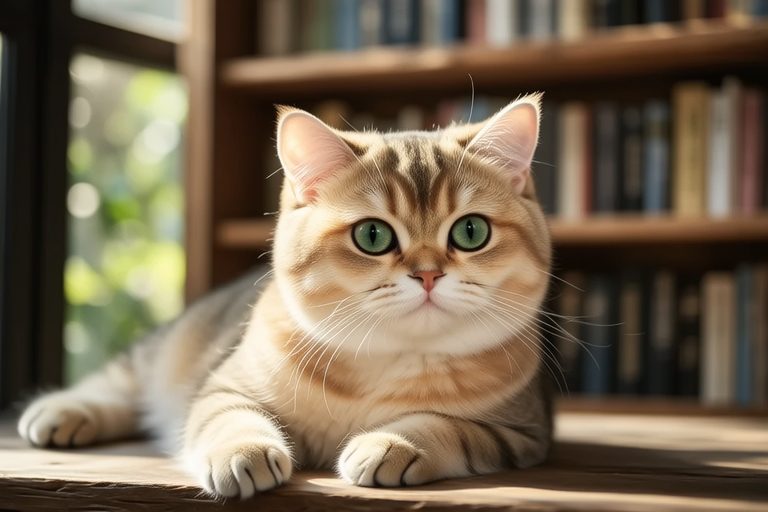
The Golden British Shorthair is a stunning variation of the classic British Shorthair breed, known for its plush, golden coat that ranges from light cream to rich amber. Their large, round eyes, often described as resembling saucers, add to their distinctive appearance. This breed has gained significant popularity due to its calm demeanor and affectionate nature, making it an ideal choice for both first-time cat owners and seasoned pet enthusiasts.
Physical Traits
Golden British Shorthairs are medium to large-sized cats, typically weighing between 9 and 18 pounds. They possess a sturdy, muscular build, which complements their thick, luxurious fur. The coat is short but dense, offering excellent insulation against cold weather. Their faces are rounded, with full cheeks and a broad chin, giving them a charming, almost human-like expression. Their ears are small and set wide apart, adding to their overall regal appearance.
Temperament
Beyond their striking looks, Golden British Shorthairs are renowned for their amiable and laid-back temperaments. These cats are known for their patience and tolerance, making them excellent companions for families with children and other pets. They tend to be calm and relaxed, rarely displaying signs of aggression or anxiety. However, despite their gentle nature, they can also be playful and curious, especially during their younger years. They enjoy interactive toys and games, such as puzzle feeders and feather wands.
Common Health Issues
Like all purebred cats, Golden British Shorthairs are prone to certain health conditions. Some of the most common issues include:
- Hypertrophic cardiomyopathy (HCM): This heart condition causes the walls of the heart to thicken, potentially leading to heart failure. Regular veterinary check-ups can help detect early signs of HCM.
- Polycystic kidney disease (PKD): This inherited disorder results in the formation of cysts in the kidneys, which can eventually lead to kidney failure. PKD can be detected through genetic testing.
- Dental problems: Due to their flat faces, Golden British Shorthairs may experience dental issues, including overcrowded teeth and periodontal disease. Regular dental care is crucial to maintaining their oral health.
Care Tips
Diet
Providing a balanced diet is essential for the health and well-being of your Golden British Shorthair. High-quality commercial cat food, either wet or dry, should form the basis of their diet. Look for products that list meat as the primary ingredient, avoiding fillers like corn or soy. Additionally, consider incorporating occasional fresh foods, such as cooked chicken or fish, into their meals. Always ensure your cat has access to clean, fresh water at all times.
Grooming
While their short coat requires less maintenance compared to long-haired breeds, regular grooming is still important for Golden British Shorthairs. Brushing their fur once or twice a week helps remove loose hair and prevents matting. This also provides an opportunity to bond with your cat while checking for any skin irritations or parasites. Bathing should only be necessary when absolutely needed, as over-bathing can strip their coat of natural oils.
Exercise
Although not as active as some other breeds, Golden British Shorthairs still require regular exercise to maintain a healthy weight and mental stimulation. Interactive play sessions, using toys such as laser pointers or feather wands, can help keep them entertained and engaged. Providing scratching posts and climbing trees encourages physical activity and helps satisfy their natural instincts.
Compatibility with Families, Other Pets, and Living Spaces
Families
Golden British Shorthairs are highly adaptable to family life, making them wonderful additions to households with children. Their patient and tolerant nature allows them to handle the unpredictable energy levels of young children. It’s important to teach children how to interact gently with the cat, respecting its personal space and boundaries. With proper supervision, these cats can become cherished members of the family, providing comfort and companionship to all.
Other Pets
Golden British Shorthairs generally get along well with other pets, including dogs and other cats. Early socialization is key to ensuring a harmonious household. Introduce new pets gradually and under controlled circumstances, allowing each animal to become familiar with the other’s scent and presence before full integration. Supervise interactions initially to prevent any misunderstandings or conflicts.
Living Spaces
These cats adapt well to various living environments, from spacious homes to smaller apartments. While they enjoy having space to roam, they are also content in confined areas, provided they have sufficient outlets for mental and physical stimulation. Golden British Shorthairs tend to be indoor cats, partly due to their susceptibility to outdoor dangers such as traffic and predators. However, if you decide to allow your cat outside, ensure it is supervised or fitted with a harness and leash for safety.
Adopting or Purchasing a Golden British Shorthair
If you’re considering adding a Golden British Shorthair to your family, there are several factors to consider. Adopting from a reputable breeder or rescue organization is recommended to ensure the health and well-being of your new companion. Reputable breeders prioritize the welfare of their cats, providing proper care, nutrition, and socialization. Rescue organizations often have Golden British Shorthairs available for adoption, offering the opportunity to give a loving home to a cat in need.
Before bringing a Golden British Shorthair into your home, it’s essential to understand the responsibilities of pet ownership. Owning a cat involves financial commitments, including food, litter, toys, and veterinary care. You must also be prepared to dedicate time to grooming, play, and training. Patience and consistency are key when introducing a new cat to your household, allowing it to adjust to its surroundings and establish routines.
Ultimately, a Golden British Shorthair can bring immense joy and companionship to your life. Their unique blend of beauty, charm, and affection makes them a delightful addition to any family. By understanding their needs and providing proper care, you can ensure a happy and healthy relationship with your fluffy, affectionate companion.
