How to Care for Your Coral Shrimp: Tips from Top Aquarists
Welcome to the vibrant world of marine aquariums! Among the many fascinating creatures that grace these underwater habitats, coral shrimp stand out for their beauty and charm. These tiny crustaceans are popular among both novice and seasoned aquarists due to their striking appearance and relatively easy care requirements. However, providing the best environment for your coral shrimp requires attention to detail and a thorough understanding of their needs. This article will guide you through the essential aspects of caring for your coral shrimp, drawing on expert advice from top aquarists to ensure your shrimp thrive.
Understanding Coral Shrimp
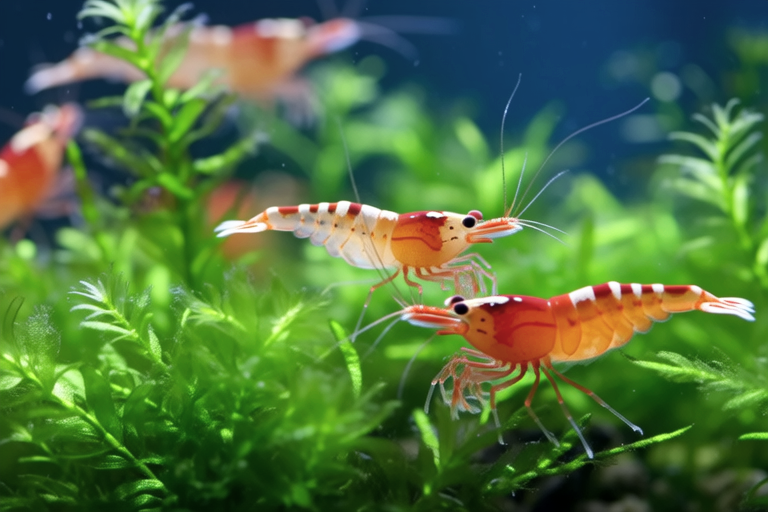
Coral shrimp (Stenopus hispidus) are small, colorful crustaceans native to tropical and subtropical waters around the world. They are known for their distinctive red or orange bodies, long antennae, and three pairs of legs. In the wild, coral shrimp live among coral reefs, where they feed on algae, detritus, and small invertebrates. Their vibrant colors and active behavior make them attractive additions to marine aquariums.
Water Parameters
Creating a suitable aquatic environment is crucial for the well-being of your coral shrimp. Proper water conditions not only ensure their survival but also enhance their health and longevity. According to Dr. Emily Thompson, a marine biologist and aquarist, maintaining stable water parameters is key. Here are some vital water quality guidelines:
- Temperature: Maintain a consistent temperature between 74°F and 82°F (23°C to 28°C). Use a reliable heater and thermometer to monitor and regulate the temperature.
- pH: Keep the pH level between 8.0 and 8.4. Regular testing with a pH kit can help you maintain this range.
- Salinity: Aim for a specific gravity of 1.023 to 1.025. A hydrometer or refractometer can assist in monitoring salinity levels.
- Ammonia and Nitrite: Both should be undetectable. Use test kits to monitor these levels and perform regular water changes if necessary.
- Nitrate: Keep nitrate levels below 20 ppm. Regular water changes and proper filtration are essential for managing nitrates.
Additionally, it’s important to acclimate new shrimp to your aquarium slowly. Gradually introduce them to the tank over a period of 30 minutes to an hour by floating the bag containing the shrimp in the aquarium water.
Diet and Feeding
Feeding your coral shrimp correctly is another critical aspect of their care. Coral shrimp are omnivores, feeding on algae, detritus, and small invertebrates in the wild. In captivity, they require a balanced diet to stay healthy. Mr. James Davis, an experienced aquarist, recommends the following dietary regimen:
- Algae: Provide ample surfaces for algae growth, such as live rock or driftwood. This allows the shrimp to graze naturally.
- Detritus: Feed sinking pellets or flakes specifically designed for marine shrimp. These should be of high quality and appropriate size for the shrimp.
- Supplements: Occasionally offer frozen or freeze-dried foods like brine shrimp, mysis shrimp, or bloodworms. These can be beneficial for adding variety and nutrients to their diet.
- Frequency: Feed your shrimp once or twice daily, ensuring they consume all food within 30 minutes. Overfeeding can lead to poor water quality and health issues.
It’s also advisable to avoid feeding too much protein-rich food, as it can cause digestive problems and increase waste production.
Tank Setup
The right tank setup plays a significant role in the happiness and health of your coral shrimp. Dr. Laura Martinez, a marine biology professor, emphasizes the importance of creating a suitable habitat. Here are some tips for setting up your shrimp tank:
- Tank Size: While coral shrimp can thrive in smaller tanks, a minimum volume of 20 gallons is recommended for better water stability and more space for hiding spots.
- Substrate: Use a fine sand substrate that mimics their natural environment. Avoid sharp-edged substrates that could injure the shrimp.
- Hiding Spots: Provide numerous hiding places using live rock, caves, and crevices. This not only enriches the tank aesthetically but also offers security for the shrimp.
- Filtration: Invest in a high-quality filter capable of handling the tank’s bioload. Consider using a combination of mechanical, chemical, and biological filtration methods.
- Aeration: Ensure adequate oxygenation through efficient circulation systems, such as powerheads or wavemakers.
Proper lighting is also essential. Coral shrimp prefer low to moderate light levels, so choose lighting fixtures that mimic natural sunlight without being too intense.
Common Health Issues
Despite the relatively simple care requirements, coral shrimp can still face health challenges. Being aware of potential issues and knowing how to address them can prevent serious problems. Ms. Sarah Lee, a veterinarian specializing in aquatic animals, shares her insights on common health issues:
- Parasites: Look for signs of white spots or cloudy eyes, which may indicate parasitic infections. Quarantine new shrimp and treat the tank with appropriate medications if necessary.
- Bacterial Infections: Symptoms include lethargy, loss of appetite, and discolored or malformed body parts. Maintaining good water quality and using antibiotics under veterinary guidance can help.
- Injuries: Due to their small size, coral shrimp can easily get injured during handling or by aggressive tankmates. Avoid rough handling and ensure compatibility with other inhabitants.
- Stress: Stress can manifest as reduced activity, color fading, or erratic swimming. Minimizing sudden changes in water parameters and providing a stress-free environment can alleviate stress.
Regular observation and prompt action at the first sign of trouble are crucial for preventing minor issues from escalating into major problems.
Compatibility with Other Species
Choosing compatible tankmates is vital when housing coral shrimp. Coral shrimp are generally peaceful and can coexist with various species, but certain combinations should be avoided. Mr. Robert Chen, an aquarist with extensive experience, advises:
- Peaceful Fish: Small, non-aggressive fish like cardinal tetras, guppies, and dwarf gouramis are good companions.
- Crustaceans: Avoid keeping coral shrimp with larger, predatory crustaceans like hermit crabs or lobsters. However, cleaner shrimp can be kept together as they share similar dietary preferences.
- Invertebrates: Compatibility varies; research thoroughly before introducing other invertebrates to the tank.
- Aggressive Fish: Steer clear of aggressive or territorial fish that might harass or prey on the shrimp.
Always consider the temperament, size, and dietary habits of potential tankmates to ensure a harmonious environment.
Maintaining a Healthy Aquarium Ecosystem
To maintain a thriving coral shrimp population, it’s essential to keep the entire aquarium ecosystem healthy. Dr. Michael Green, a marine conservationist, stresses the importance of regular maintenance:
- Water Changes: Perform partial water changes weekly, replacing about 10-20% of the tank water. This helps remove accumulated toxins and replenish essential minerals.
- Cleaning: Clean filters, decorations, and equipment regularly to prevent the buildup of harmful substances.
- Monitoring: Continuously monitor water parameters and adjust as needed. Regular testing ensures the environment remains optimal for your shrimp.
- Quarantine: Always quarantine new additions to the tank for several weeks to observe their health and ensure they don’t introduce diseases.
By adhering to these practices, you’ll create a robust and resilient aquarium ecosystem that supports the well-being of your coral shrimp.
Conclusion
Caring for coral shrimp is a rewarding endeavor that combines scientific knowledge with practical skills. By understanding their unique needs and following the expert advice provided in this article, you can create an ideal environment for your shrimp to flourish. Whether you’re a beginner just starting out or an advanced aquarist looking to refine your techniques, these tips will help you provide the best possible care for your coral shrimp. Remember, a happy shrimp is a healthy shrimp!
