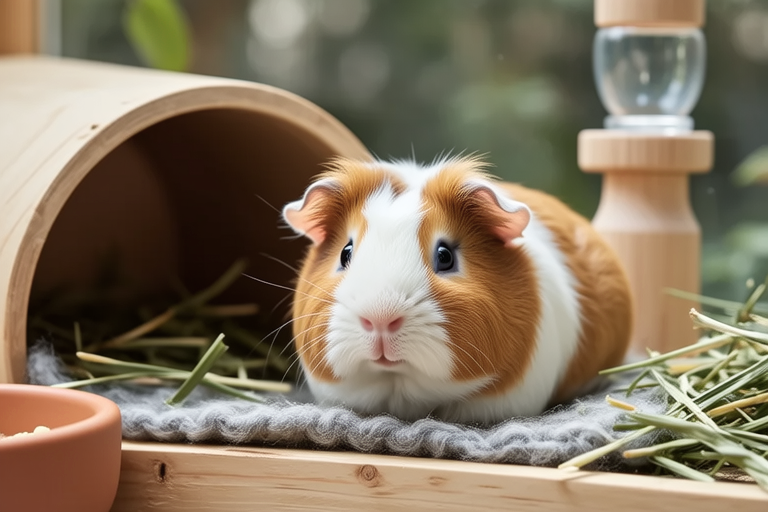
How to Create the Perfect Home for Your Happy Guinea Pig
Welcome to the world of guinea pig care! These delightful creatures bring joy and companionship to many homes. Creating the perfect environment for your guinea pig is crucial for their health and happiness. This guide will walk you through essential aspects such as selecting the right cage size, ensuring proper ventilation, providing adequate bedding, including necessary toys and hiding spots, maintaining hygiene, appropriate feeding areas, and regular cleaning schedules. We’ll also cover tips on temperature control, safe cage location, and integrating new guinea pigs into the home environment. Let’s dive in!
Selecting the Right Cage Size
The first step in creating a perfect home for your guinea pig is choosing the right cage size. Guinea pigs need ample space to move around freely, exercise, and play. A general rule of thumb is that each guinea pig requires at least 7.5 square feet (approximately 108 inches by 72 inches) of living space. If you have multiple guinea pigs, ensure they have enough room to avoid overcrowding.
Consider the type of cage you choose. Wire-bottomed cages are not recommended as they can cause foot injuries. Opt for solid flooring or a combination of solid and wire-bottomed cages. Ensure the cage is sturdy and easy to clean.
Ensuring Proper Ventilation
Proper ventilation is crucial for your guinea pig’s respiratory health. Guinea pigs are sensitive to ammonia buildup from urine, which can lead to respiratory issues if not properly ventilated. Choose a cage with good airflow, either through mesh sides or by ensuring there are plenty of gaps for air to circulate. Avoid placing the cage in direct sunlight or near heat sources, as this can cause overheating.
Providing Adequate Bedding
Comfortable bedding is essential for your guinea pig’s well-being. Choose soft, dust-free bedding materials such as fleece, paper-based bedding, or recycled paper products. Avoid pine or cedar shavings, as these can irritate your guinea pig’s respiratory system. Change the bedding regularly to prevent odors and bacteria buildup.
Including Necessary Toys and Hiding Spots
Toys and hiding spots are important for mental stimulation and comfort. Provide tunnels, chew toys, and treat-dispensing toys to keep your guinea pig entertained. Hiding spots, such as small boxes or igloos, offer a sense of security and privacy. Rotate toys periodically to prevent boredom and encourage exploration.
Maintaining Hygiene
Hygiene is vital for your guinea pig’s health. Clean the cage at least once a week, removing soiled bedding and thoroughly scrubbing the cage with pet-safe disinfectants. Spot clean daily to maintain cleanliness. Regular grooming is also necessary, especially for long-haired guinea pigs, to prevent matting and skin issues.
Appropriate Feeding Areas
Feeding areas should be easily accessible and hygienic. Use ceramic bowls that are difficult to tip over and easy to clean. Place food and water dishes in different corners of the cage to prevent contamination. Consider using water bottles instead of bowls to reduce spillage and bacterial growth.
Regular Cleaning Schedules
A consistent cleaning schedule helps maintain a healthy environment for your guinea pig. Daily spot cleaning involves removing soiled bedding and checking for any signs of illness. Weekly deep cleaning includes scrubbing the cage and replacing all bedding. Follow these guidelines to ensure your guinea pig stays healthy and happy.
Tips on Temperature Control
Guinea pigs thrive in temperatures between 65°F and 75°F (18°C to 24°C). Avoid extreme temperatures, as they can stress your guinea pig. In colder months, provide extra bedding and consider using heating pads designed for pets. In warmer weather, ensure the cage is placed in a cool area away from direct sunlight.
Safe Cage Location
Choose a quiet, low-traffic area for your guinea pig’s cage. Avoid placing it near windows, doors, or areas where drafts may occur. Keep the cage away from other pets to prevent stress and potential harm. Ensure the cage is stable and secure to prevent accidents.
Integrating New Guinea Pigs
Introducing new guinea pigs requires patience and careful planning. Start by housing them separately but adjacent to each other to allow for scent familiarization. Gradually introduce them under supervision, ensuring they get along peacefully. Separate them immediately if any aggression occurs.
Mimicking Natural Habitats
Mimicking a natural habitat is key to your guinea pig’s happiness. Provide plenty of space, soft bedding, and opportunities for exercise. Incorporate elements that stimulate their natural behaviors, such as digging and chewing. This approach not only enriches their lives but also promotes mental and physical health.
Common Mistakes to Avoid
Avoid common pitfalls that can negatively impact your guinea pig’s health. Overcrowding, inadequate ventilation, and poor hygiene are major concerns. Ensure the cage is spacious and well-ventilated. Regularly clean the cage and provide fresh, clean bedding. Monitor your guinea pig’s behavior and health closely, seeking veterinary advice when necessary.
Creating the perfect home for your guinea pig requires attention to detail and commitment. By following these guidelines, you can ensure your guinea pig enjoys a healthy, happy life. Remember, a well-cared-for guinea pig is a joyful companion. Thank you for reading, and we hope you find this guide helpful in your journey to becoming a responsible guinea pig owner.
