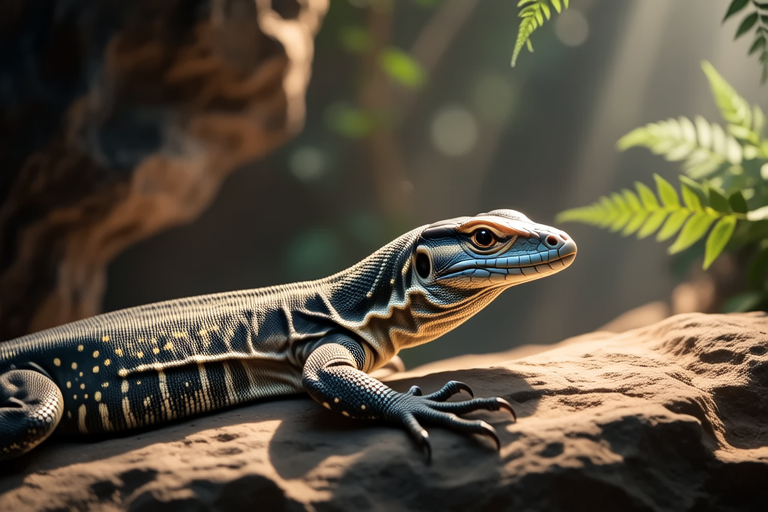
From Jungle to Home: Caring for Your Very Own Water Monitor Pet
The water monitor (Varanus salvator) is a species of large lizard native to the tropical regions of southern Asia, from India and Sri Lanka to Southeast Asia, including Indonesia and the Philippines. Known for their impressive size and agility, these lizards can grow up to 3 meters (10 feet) in length and weigh around 20 kilograms (44 pounds). In the wild, they inhabit a variety of environments, from dense forests to mangrove swamps and riverbanks, thriving in areas rich with water sources. Their semi-aquatic nature allows them to swim efficiently, making them adept at hunting fish, small mammals, and birds.
Responsibilities and Considerations
Owning a water monitor comes with significant responsibilities and requires careful consideration. Firstly, it’s crucial to check local laws regarding exotic pets. Some regions have strict regulations or outright bans on keeping water monitors due to their size, potential threat to native wildlife, and the difficulty in providing appropriate care. It’s essential to understand and comply with all legal requirements before bringing one home.
Moreover, these lizards are not suitable for everyone. They require substantial space, specialized enclosures, and a dedicated owner willing to invest time and resources. Potential owners must also be prepared for the long-term commitment, as water monitors can live up to 20 years in captivity.
Detailed Care Instructions
Housing
Adequate housing is paramount for the well-being of your water monitor. The enclosure should be spacious, allowing ample room for swimming and climbing. A minimum tank size of 6x3x3 meters (20x10x10 feet) is recommended for an adult monitor. The tank should include a deep water area, at least half the tank’s length, filled with clean, dechlorinated water. The water should be maintained at a temperature between 26°C and 30°C (79°F and 86°F).
The dry area should provide multiple levels for climbing and basking. Use sturdy branches, rocks, and logs to create a complex terrain. Ensure the enclosure has proper ventilation to prevent stagnant air. Additionally, the substrate should be easy to clean and non-toxic; options include reptile carpet or newspaper.
Diet
Water monitors are carnivorous and require a varied diet to maintain optimal health. Their meals should consist of appropriately sized prey items, such as mice, rats, chicks, insects, and fish. Juvenile monitors should be fed daily, while adults can be fed every other day. It’s important to offer a balanced diet, including calcium supplements to prevent metabolic bone disease. Fresh water should always be available for drinking and soaking.
Health Care
Regular veterinary check-ups are necessary to ensure your water monitor remains healthy. Signs of illness include lethargy, loss of appetite, abnormal skin, or discharge from the eyes, nose, or mouth. Common health issues include respiratory infections, parasites, and metabolic disorders. Early detection and treatment are critical for recovery. Maintain a clean enclosure, change water regularly, and sanitize surfaces to minimize the risk of infection.
Handling
Water monitors can become accustomed to handling but should never be handled roughly or frequently. Always approach them calmly and gently. Support their body fully when lifting, and avoid sudden movements. Regular interaction helps build trust, but respect their boundaries and signs of discomfort. Never handle a monitor during feeding times or immediately after a meal.
Creating a Stimulating Environment
To ensure a stimulating environment, mimic their natural habitat as closely as possible. Provide hiding spots, both in the water and on land, to give your monitor a sense of security. Rotate toys and enrichment items to keep the enclosure interesting. Introduce new objects gradually to prevent stress. Encourage natural behaviors by offering opportunities for swimming, climbing, and exploring. Interactive feeding methods, like placing food on elevated platforms, can also enhance mental stimulation.
Building a Strong Bond and Ensuring Long-Term Well-Being
Building a strong bond with your water monitor takes time and patience. Spend regular, calm time together in the enclosure. Offer treats and gentle interactions to foster trust. Consistency and positive reinforcement are key. Ensure their enclosure remains a safe, comfortable space where they feel secure. Regular exercise and mental stimulation contribute to their overall health and happiness. By providing attentive care and a nurturing environment, you can enjoy a rewarding relationship with your water monitor for many years to come.
