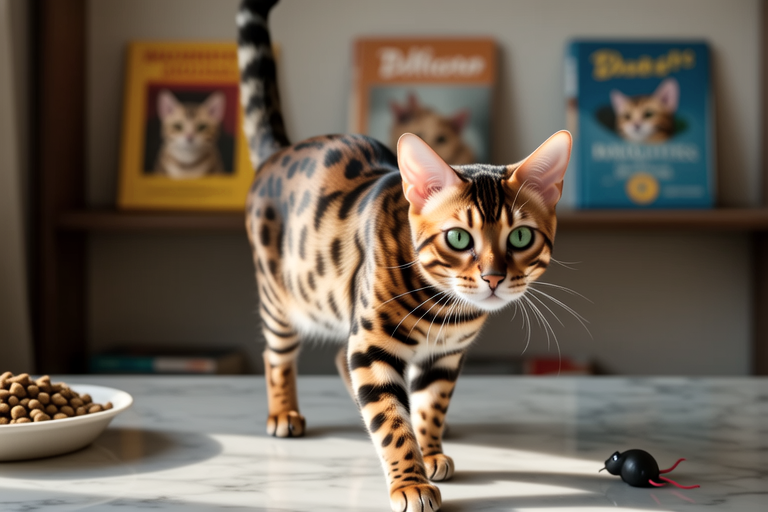
Bengal Cats: Myths vs Realities
With their striking appearance and playful personalities, Bengal cats have captured the hearts of many cat enthusiasts. However, amidst their growing popularity, several myths and misconceptions have emerged. This article aims to explore the differences between common myths and realities surrounding Bengal cats, shedding light on their true nature, health, and care requirements.
Debunking Popular Misconceptions About Their Temperament
One of the most prevalent myths about Bengal cats is that they are too wild or aggressive. This misconception likely stems from their exotic ancestry, as Bengals are descendants of the Asian Leopard Cat. However, this could not be further from the truth. In reality, Bengal cats are known for their friendly and social nature.
Bengals thrive on human interaction and are often described as being more dog-like in their behavior. They enjoy playing fetch, walking on a leash, and even learning tricks. These traits make them ideal companions for families and individuals seeking an interactive pet. Unlike some other breeds, Bengals do not shy away from strangers; instead, they tend to be outgoing and welcoming. This makes them perfect for households with children or other pets.
It’s important to note that while Bengal cats are generally friendly, like any animal, they can exhibit aggressive behavior if provoked or mistreated. Proper socialization during kittenhood is crucial for ensuring a well-adjusted adult cat. Providing them with positive experiences and consistent handling helps build trust and confidence, reducing the likelihood of aggression.
Myths Regarding Health Issues
Another area where misinformation abounds is the health of Bengal cats. There are concerns about potential genetic diseases due to their hybrid origins. While it’s true that certain health issues can run in specific lines, responsible breeding practices have significantly reduced the prevalence of these conditions.
Common genetic disorders include Hypertrophic Cardiomyopathy (HCM), which affects heart function, and Patellar Luxation, a joint issue. Regular veterinary check-ups and screenings can help identify and manage these conditions early on. By selecting reputable breeders who prioritize health testing and genetic diversity, prospective owners can minimize the risk of inherited diseases.
The average lifespan of a Bengal cat ranges from 12 to 16 years, comparable to many other domestic cat breeds. With proper care, including a balanced diet, regular exercise, and routine veterinary visits, Bengals can lead long, healthy lives.
Maintenance Needs: Perceived vs Real
Many people believe that Bengal cats require extensive grooming due to their luxurious coats. While it’s true that Bengals have short, dense fur that may benefit from occasional brushing, their self-grooming instincts typically keep their coats clean and shiny. Weekly brushing helps remove loose hair and prevents matting, especially during shedding seasons.
Dietary requirements for Bengal cats are similar to those of other domestic cats. A high-quality commercial diet formulated for indoor cats is usually sufficient. However, it’s essential to consult with a veterinarian to ensure the chosen food meets all nutritional needs based on age, weight, and activity level. Some Bengals may have sensitive stomachs, so it might be necessary to experiment with different brands until finding one that agrees with them.
Bengals are active cats that need ample space to stretch their legs and burn off energy. Providing toys, scratching posts, and climbing structures encourages physical activity and mental stimulation. Interactive play sessions also strengthen the bond between owner and pet. Ensuring a stimulating environment helps prevent boredom-related behaviors such as excessive meowing or destructive chewing.
Why Bengal Cats Make Great Pets for the Right Owners
Beyond their physical attributes and manageable care requirements, what truly sets Bengal cats apart is their intelligence and adaptability. These qualities make them excellent companions for experienced cat owners looking for an engaged and responsive pet.
Bengals possess a curious nature that drives them to explore their surroundings thoroughly. Their problem-solving abilities enable them to figure out how to open doors, cabinets, and even drawers. This curiosity coupled with their athleticism means they excel at puzzle toys designed to challenge their minds.
Adaptability is another hallmark of Bengal cats. They adjust well to various living situations, whether it’s a small apartment or a spacious home. As long as there are opportunities for exercise and enrichment, Bengals can thrive in almost any environment. Their ability to acclimate quickly makes them suitable for families moving frequently or those transitioning from one type of dwelling to another.
Ultimately, Bengal cats offer unique benefits for the right owner. Their friendly demeanor, social nature, and intelligence create a rewarding relationship for both parties. By understanding the facts behind common myths, potential owners can make informed decisions about whether a Bengal cat fits into their lifestyle and expectations.
