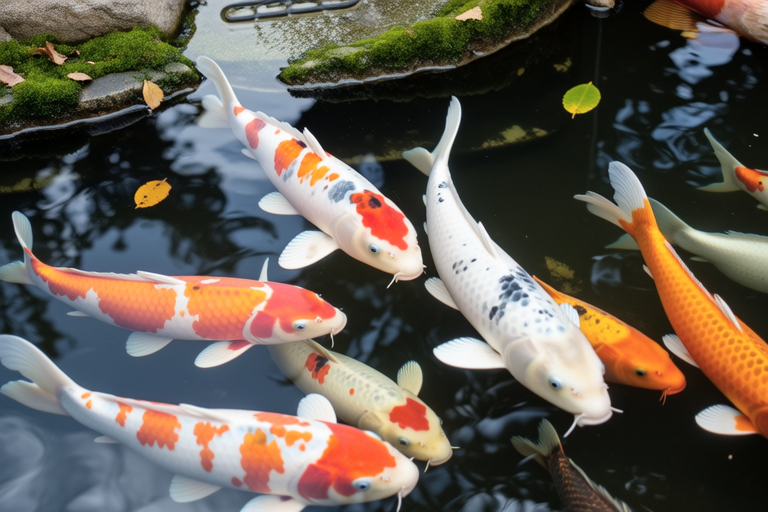
Koi Care Tips: Ensuring Your Fish Live Long and Prosper
Welcome to the fascinating world of koi fish! These colorful, graceful creatures have captivated hobbyists and enthusiasts alike for centuries. If you’re new to koi ownership or looking to refine your care routine, this comprehensive guide will provide you with essential tips to ensure your koi live long and prosper. From maintaining optimal water quality to setting up the perfect pond, we’ll cover all the bases.
Optimal Water Quality Maintenance
Water quality is paramount to the health and longevity of your koi. Poor water conditions can lead to stress, disease, and even death. Here’s how to keep your pond water in top shape:
- Regular Water Testing: Use test kits to monitor pH levels, ammonia, nitrite, and nitrate concentrations. Aim for a pH between 7.2 and 8.0, with no detectable ammonia or nitrite, and low nitrate levels (under 40 ppm).
- Aeration: Ensure your pond is well-oxygenated by installing a reliable aeration system. This helps maintain healthy oxygen levels, especially during warm weather.
- Partial Water Changes: Replace about 10% of the pond water weekly to remove accumulated toxins and refresh the environment.
- Filtration Systems: Invest in a robust filtration system that includes mechanical, biological, and chemical filtration components to keep the water clean and clear.
Suitable Diet Recommendations
Feeding your koi a balanced diet is crucial for their growth, health, and vibrant coloration. Here are some feeding guidelines:
- Variety is Key: Offer a mix of high-quality commercial pellets, vegetables, and occasional treats like earthworms or mosquito larvae. Pellets should be nutritionally complete, containing proteins, fats, carbohydrates, vitamins, and minerals.
- Seasonal Adjustments: Reduce feeding during colder months when the water temperature drops below 50°F (10°C). Feed sparingly and only when the water is warmer.
- Proper Portion Control: Feed small portions multiple times daily rather than one large meal. This mimics their natural feeding behavior and aids digestion.
Appropriate Pond Setup and Filtration Systems
The right pond setup and filtration system can make all the difference in your koi’s wellbeing. Consider these factors when designing or upgrading your pond:
- Pond Size and Depth: A minimum pond size of 1,000 gallons (3,785 liters) is recommended for a small koi population. Deeper ponds help maintain stable temperatures and provide more space for filtration.
- Shading and Shelter: Protect your koi from excessive sunlight and predators by incorporating plants, floating islands, or artificial shelters into the pond.
- Filtration System: Choose a filtration system that matches your pond’s volume and the number of koi. The system should handle at least 10 times the pond’s volume per hour.
Common Health Issues and Preventive Measures
Despite your best efforts, koi may still face health challenges. Early detection and treatment are key to recovery. Familiarize yourself with common ailments and their prevention:
- Fin Rot: Characterized by frayed, discolored fins. Maintain good water quality and consider adding salt to the pond as a preventative measure.
- Ich (White Spot Disease): Visible white spots on the fish’s body. Treat with medication specifically designed for ich and improve water quality.
- Parasites: External parasites can cause irritation and stress. Quarantine new arrivals and treat affected fish promptly.
Preventative care includes quarantining new fish, maintaining excellent water quality, and performing regular health checks.
Seasonal Care Tips
Seasonal changes require special attention to ensure your koi remain healthy throughout the year:
- Spring: Begin by cleaning the pond, checking filters, and gradually increasing feeding as water temperatures rise.
- Summer: Monitor water temperature closely and ensure proper aeration. Feed frequently but avoid overfeeding.
- Fall: As temperatures cool, reduce feeding and prepare for winter by deepening the pond if necessary.
- Winter: Minimize disturbance and provide adequate oxygen. In colder regions, consider installing a heater or de-icer to prevent ice formation.
The Importance of Regular Observation and Interaction
Spending time with your koi can be incredibly rewarding and provides valuable insights into their health and behavior. Here’s why regular observation is important:
- Early Detection: By watching your koi daily, you can quickly spot any unusual behavior or physical signs of illness.
- Bonding: Interacting with your fish can strengthen the bond between you and your pets, making it easier to notice subtle changes in their demeanor.
- Stress Reduction: Familiarity with your presence can help reduce stress levels, which is beneficial for their overall health.
To encourage interaction, feed your koi at specific times and locations within the pond. Over time, they will learn to anticipate your arrival and may even swim towards you for food.
Actionable Tips for All Koi Owners
Here are some practical tips to implement immediately:
- Install a UV sterilizer to control algae and parasites.
- Use a net skimmer to remove debris from the surface of the pond.
- Plant aquatic plants to enhance the pond’s aesthetics and provide oxygen through photosynthesis.
- Consider adding a protein skimmer to remove organic waste before it breaks down into harmful substances.
- Keep a logbook to track water parameters, feeding schedules, and any health issues.
By following these guidelines and staying vigilant, you’ll create a thriving environment where your koi can flourish. Remember, each fish is unique, so pay close attention to individual needs and preferences.
Happy koi keeping!
