Chilean Rose Tarantula: The Ultimate Guide for New Owners
Welcome to your comprehensive guide on owning a Chilean rose tarantula! Whether you’re a seasoned reptile enthusiast or a first-time spider owner, this guide will provide you with all the essential information you need to care for your new pet. From understanding their natural habitat to setting up the perfect terrarium, we’ve got you covered.
Introduction to the Chilean Rose Tarantula Species
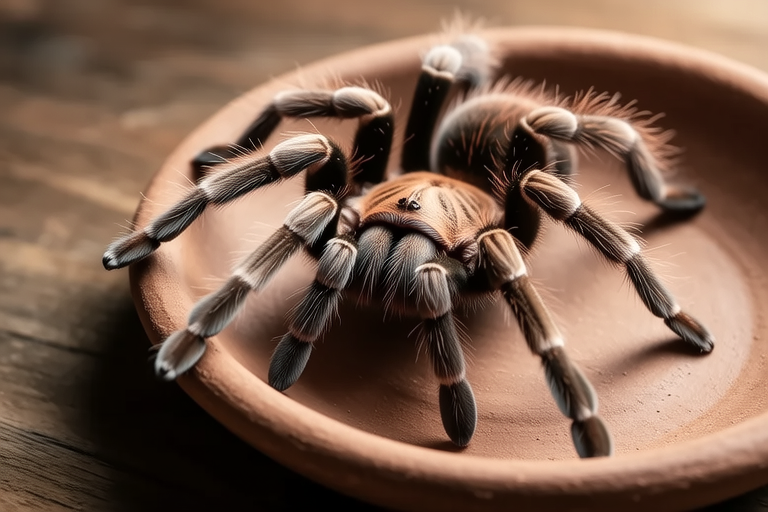
The Chilean rose tarantula, scientifically known as Grammostola rosea, is one of the most popular species of tarantulas among hobbyists. Originating from the deserts and scrublands of Chile, these spiders are known for their beautiful pinkish hue that intensifies as they mature. They are relatively docile and easy to handle, making them an excellent choice for new owners. Their lifespan can range from 10 to 20 years, offering a long-term companionship.
Natural Habitat and Ideal Living Conditions
In their natural habitat, Chilean rose tarantulas thrive in arid regions with sparse vegetation. These areas experience significant temperature fluctuations between day and night. To recreate this environment at home, it’s crucial to maintain specific conditions within the terrarium:
- Temperature: Keep the enclosure between 75°F and 85°F (24°C to 29°C).
- Humidity: Aim for a humidity level of around 60%. This can be achieved by misting the enclosure occasionally.
- Substrate: Use a mix of sand and soil, about 3 inches deep, to allow for burrowing.
- Decor: Provide hiding spots like cork bark or half logs, and consider adding live plants to enhance the aesthetic appeal and humidity.
Diet Requirements and Feeding Schedules
Chilean rose tarantulas are carnivorous and primarily feed on insects. Here’s what you need to know about their dietary needs:
- Feeding Frequency: Feed adult tarantulas once every week or two. Juveniles may require more frequent meals.
- Food Options: Suitable prey includes crickets, mealworms, and small roaches. Ensure the prey is no larger than the width of the tarantula’s abdomen.
- Handling Prey: Use forceps to place the food item inside the enclosure. Avoid placing live insects directly on top of the tarantula to prevent stress.
Setting Up the Perfect Terrarium
Creating a suitable living space for your Chilean rose tarantula involves several key elements:
Enclosure Size
For adults, a 10-gallon tank is sufficient. Ensure there’s enough room for the tarantula to move around comfortably.
Temperature and Humidity Control
Use a digital thermometer and hygrometer to monitor temperature and humidity levels. Heating pads or under-tank heaters can help maintain the desired warmth.
Substrate
A combination of sand and soil provides an ideal substrate. This mixture allows for proper burrowing and maintains moisture levels.
Decor and Hiding Spots
Add items like cork bark or half logs to give your tarantula places to hide. Live plants can also enhance the terrarium’s appearance and contribute to maintaining humidity.
Handling Tips
While Chilean rose tarantulas are generally docile, handling should always be done with care:
- Preparation: Wash your hands before and after handling to avoid transferring oils or chemicals.
- Gentle Approach: Use a soft brush to gently coax the tarantula onto your hand or a container.
- Avoid Distress: Never grab or squeeze the tarantula. Always handle it gently and avoid sudden movements.
Common Health Issues and Signs of Illness
Like any pet, tarantulas can suffer from various health issues. Early detection and treatment are crucial:
- Dehydration: Look for dry exoskeletons or lethargic behavior.
- Mites: Visible tiny red or black dots moving on the tarantula’s body.
- Regurgitation: If the tarantula vomits up its last meal, it could indicate stress or improper feeding.
If you notice any of these symptoms, consult a veterinarian specializing in exotic pets for appropriate treatment.
Sourcing a Healthy Tarantula
When purchasing a Chilean rose tarantula, look for the following signs of good health:
- Active Behavior: A healthy tarantula should be alert and responsive.
- Intact Exoskeleton: Check for any missing limbs or damage to the exoskeleton.
- Clear Gastrointestinal Tract: The abdomen should appear full but not bloated.
Choose reputable breeders or pet stores to ensure you get a well-cared-for tarantula.
Resources for Further Learning
To deepen your knowledge and stay updated on the latest care practices, consider joining online forums, subscribing to pet care magazines, and attending local reptile expos.
By following the advice outlined in this guide, you’ll be well-equipped to provide a loving and nurturing home for your Chilean rose tarantula. Remember, patience and careful observation are key to ensuring your pet thrives.
