Why Do People Love Their Tarantulas? Inside the Captivating World of Spider Ownership
Tarantulas, with their intimidating appearance and reputation as fearsome predators, might seem like an unlikely choice for a pet. Yet, millions of people worldwide have discovered the joy of owning these arachnids, finding them to be docile, fascinating, and rewarding companions. This article delves into the unique appeal of tarantulas as pets, explores the responsibilities and considerations for potential owners, and shares insights from those who have embraced the captivating world of spider ownership.
The Unique Appeal of Tarantulas as Pets
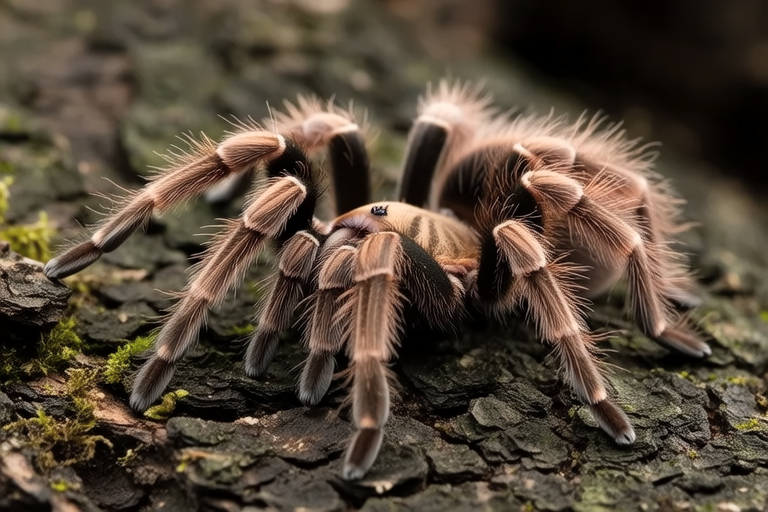
Contrary to popular belief, tarantulas are generally docile creatures that pose no threat to humans. Their large size and hairy appearance can be intimidating, but most species are harmless and prefer to avoid confrontation. In fact, tarantulas are often described as “gentle giants” due to their calm demeanor and reluctance to bite. This makes them ideal pets for individuals seeking a low-maintenance, non-invasive companion.
One of the most compelling aspects of tarantula ownership is the opportunity to observe these creatures up close. Their unique behaviors, such as molting and hunting, offer a window into the lives of these ancient arachnids. Many owners find themselves captivated by the beauty and complexity of their pets, appreciating the intricate patterns on their bodies and the grace with which they move.
Responsibilities and Considerations for Potential Owners
Before diving into tarantula ownership, it’s essential to understand the responsibilities involved. Proper habitat setup is crucial for ensuring your tarantula’s well-being. A suitable enclosure should provide ample space for the spider to move around, climb, and hide. The enclosure should also be well-ventilated and maintained at the appropriate temperature and humidity levels, depending on the species.
Feeding habits vary among tarantula species, but most are carnivorous, consuming insects and other small prey. It’s important to provide a balanced diet that meets the nutritional needs of your pet. Regular cleaning of the enclosure is necessary to maintain hygiene and prevent the buildup of harmful bacteria.
Additionally, tarantulas require minimal interaction, making them ideal for those who want a pet that doesn’t demand constant attention. However, responsible ownership involves monitoring your pet’s health and providing appropriate care when needed.
Anecdotes and Interviews with Current Tarantula Owners
To gain insight into the joys and challenges of tarantula ownership, we spoke with several experienced enthusiasts.
“My tarantula is my favorite pet because she’s so calm and peaceful. She doesn’t need much attention, but I love watching her explore her enclosure and catch her food. It’s fascinating to see how she moves and interacts with her environment,” said Sarah Thompson, a first-time tarantula owner.
Another owner, John Doe, shared his experience: “I was initially intimidated by the idea of owning a tarantula, but once I got one, I realized how rewarding it could be. They’re surprisingly low-maintenance, and observing their behaviors has been a delightful way to learn more about these incredible creatures.”
The Scientific Fascination with Tarantulas
From a scientific perspective, tarantulas are fascinating subjects of study. These spiders belong to the family Theraphosidae and are found in various habitats across the globe, from deserts to rainforests. Their biology and behavior offer valuable insights into evolutionary processes and ecological relationships.
Tarantulas have adapted to survive in diverse environments, developing unique strategies for hunting, defense, and reproduction. For instance, many species possess specialized hairs that can be released as a defense mechanism against predators. These urticating hairs cause irritation and discomfort to attackers, providing the tarantula with a chance to escape.
In addition to their defensive adaptations, tarantulas play vital roles in their ecosystems. As apex predators, they help control insect populations, contributing to the balance of local ecosystems. Understanding these creatures’ ecological significance can deepen our appreciation for the intricate web of life.
Common Misconceptions About Tarantulas
Despite their growing popularity, tarantulas remain misunderstood by many. One common misconception is that all tarantulas are venomous and dangerous to humans. While tarantulas do produce venom, it is typically mild and poses little risk to humans. Most bites result in localized pain similar to a bee sting.
Another misconception is that tarantulas require constant interaction and attention. In reality, tarantulas are solitary animals that thrive in environments with minimal disturbance. Their low-maintenance nature makes them suitable pets for individuals seeking a companion that requires minimal time and effort.
Conclusion: Why Tarantulas Make Rewarding Companions
Tarantulas offer a unique and rewarding pet experience for those willing to embrace the challenges and joys of spider ownership. Their docile nature, fascinating behaviors, and low-maintenance requirements make them ideal companions for the right owner. By understanding the responsibilities involved and dispelling common misconceptions, potential owners can approach tarantula ownership with confidence and enthusiasm.
Whether you’re a seasoned enthusiast or considering your first tarantula, the world of spider ownership promises endless opportunities for learning and discovery. Embrace the captivating world of tarantulas, and you may just find yourself charmed by these gentle giants.
