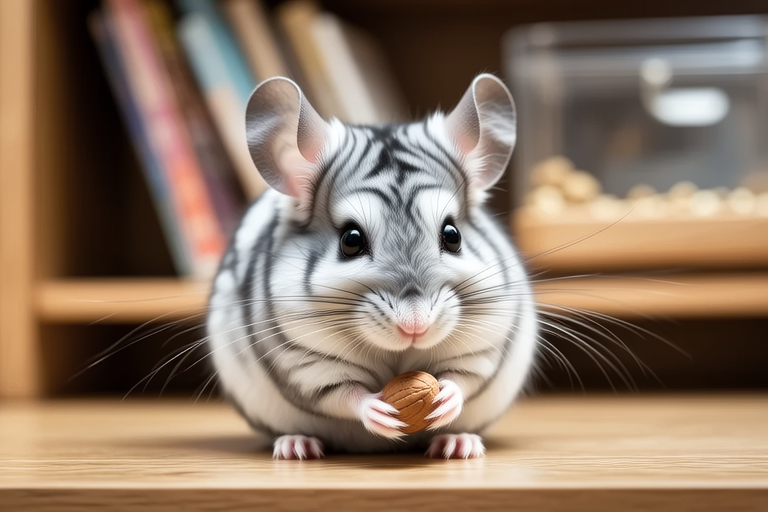
Chinchillas: The Ultimate Guide for First-Time Owners
Welcome to the world of chinchillas! These adorable, fluffy creatures have captured the hearts of many pet lovers with their unique charm and low-maintenance nature. If you’re considering adopting a chinchilla, this guide will provide you with all the information you need to ensure your new friend has a happy and healthy life.
Understanding Chinchillas
Chinchillas are native to the Andes Mountains in South America, where they live in rocky areas and burrows. They are crepuscular, meaning they are most active during dawn and dusk. Chinchillas are social animals but can thrive as solitary pets if given enough attention and interaction from their human companions.
Chinchilla Diet
A proper diet is crucial for your chinchilla’s health. Their digestive system requires a high-fiber diet, similar to that of rabbits. Pellets designed specifically for chinchillas should make up the bulk of their diet. Avoid pellets that contain seeds or dried fruits, as these can lead to obesity and other health problems.
In addition to pellets, chinchillas enjoy hay, which aids in digestion and helps keep their teeth worn down. Timothy hay is ideal, but orchard grass and oat hay are also suitable. Fresh water should always be available, and it’s best to provide it in a bottle with a sipper tube.
As treats, you can offer small amounts of fresh vegetables like carrots, broccoli, or dandelion greens. However, limit these to no more than one tablespoon per day. Never give your chinchilla fruits, nuts, or sugary foods, as these can cause digestive upset and obesity.
Habitat Setup
The right environment is key to your chinchilla’s well-being. Start by choosing an appropriate cage. The cage should be large enough to allow your chinchilla to move around comfortably; a minimum size of 24 inches wide by 24 inches deep by 36 inches high is recommended. A multi-level cage with ramps and platforms encourages climbing and provides mental stimulation.
Bedding is another important consideration. Use paper-based bedding, such as recycled paper or cardboard, as it is safe and easy to clean. Avoid pine or cedar shavings, as these can irritate your chinchilla’s respiratory system. Additionally, provide soft towels or fleece blankets for bedding, as these mimic the natural environment and provide comfort.
Temperature control is essential, as chinchillas are sensitive to heat. Keep the temperature below 75°F (24°C) and ensure good ventilation. A humidifier may be necessary in dry climates to maintain humidity levels between 40% and 60%. Finally, include toys and chew sticks to prevent boredom and promote dental health.
Exercise Needs
While chinchillas don’t require extensive exercise like some other pets, they do need opportunities to move around and explore. Daily playtime outside the cage is beneficial, but ensure the area is safe and free from hazards. Use a large, enclosed space to prevent escape and protect your chinchilla from household dangers.
Supervised play sessions can last anywhere from 15 minutes to an hour, depending on your chinchilla’s energy level. During playtime, you can interact with your chinchilla, allowing them to climb on your lap or explore new toys. Remember, chinchillas are delicate and can be injured easily, so handle them gently and with care.
Grooming Requirements
One of the most unique aspects of owning a chinchilla is their dust bath. Chinchillas take dust baths to clean themselves, rather than water. Special dust made from volcanic ash is required for this purpose. Fill a shallow dish with about two inches of dust and place it in the cage. Your chinchilla will instinctively roll around in the dust, cleaning their fur.
Trimming nails is another important grooming task. Regular nail trims help prevent overgrown nails, which can cause discomfort and difficulty walking. Use specialized chinchilla nail clippers and be careful not to cut the quick, the blood vessel inside the nail. Consult a veterinarian if you’re unsure how to trim your chinchilla’s nails safely.
Bathing too frequently can strip your chinchilla’s coat of its natural oils, so limit dust baths to twice a week. Always supervise your chinchilla during dust bathing to ensure they don’t ingest too much dust.
Common Health Issues
Chinchillas are generally hardy animals, but they are susceptible to certain health issues. Overgrown teeth, known as malocclusion, can occur due to improper diet or genetics. Signs include drooling, weight loss, and difficulty eating. Regular check-ups with a veterinarian specializing in exotic pets can help catch and address this issue early.
Digestive problems, such as bloat or impaction, can arise from poor diet or lack of exercise. Ensure your chinchilla has access to unlimited hay and plenty of opportunities to move around. Respiratory infections are another common concern, often caused by cold temperatures or drafts. Maintain a consistent temperature in your chinchilla’s living area and avoid exposing them to sudden changes in temperature.
If you notice any signs of illness, such as lethargy, loss of appetite, or discharge from the eyes or nose, consult a veterinarian immediately. Early intervention is crucial for effective treatment.
Tips for Bonding with Your Chinchilla
Building a strong bond with your chinchilla takes time and patience. Start by spending quiet time near their cage, allowing them to become comfortable with your presence. Gradually introduce yourself through gentle handling and petting. Always approach your chinchilla calmly and slowly, giving them time to adjust.
Interactive play is a great way to strengthen your bond. Use toys that encourage exploration and problem-solving, such as treat-dispensing balls or tunnels. Positive reinforcement training, using treats as rewards, can also enhance your relationship with your chinchilla. Remember, chinchillas are prey animals and may exhibit skittish behavior at times. Be patient and understanding as you build trust.
Spending time with your chinchilla daily will help them feel secure and loved. Establish a routine for feeding, playtime, and grooming to create a predictable environment that fosters trust and affection.
Conclusion
Owning a chinchilla can be a rewarding experience, but it comes with responsibilities. By providing a nutritious diet, a safe and stimulating environment, regular grooming, and ample attention, you can ensure your chinchilla leads a long and healthy life. Remember, chinchillas are sensitive creatures, so always prioritize their well-being and happiness.
Resources for Further Learning
To continue learning about chinchillas, consider joining online communities and forums dedicated to chinchilla owners. Books and articles written by experts in exotic pet care can also provide valuable insights. Don’t hesitate to reach out to veterinarians who specialize in small mammals for guidance and support. With the right knowledge and care, you’ll be well-equipped to provide a loving home for your chinchilla.
