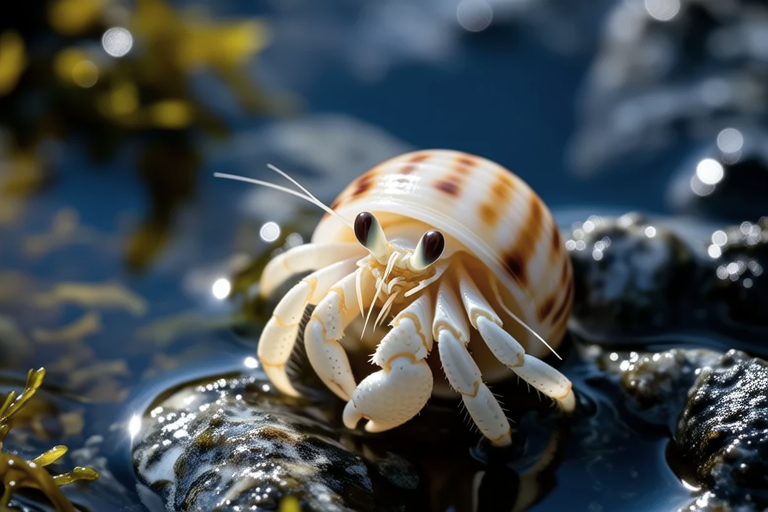
Micro Marvels: Why Pet Owners Are Obsessed with Pea Crabs
In the world of unconventional pets, pea crabs stand out as tiny creatures with big appeal. These minuscule crustaceans, scientifically classified under the superfamily Pinnotheroidea, have captured the hearts of many pet enthusiasts. With their unique biology and charming behavior, pea crabs offer a fascinating glimpse into the world of symbiosis and marine life. This article explores the various aspects that make pea crabs such compelling pets, from their diminutive size and intricate care requirements to their interactions with host mollusks.
The Tiny Giants: Size and Appearance
Pea crabs, as their name suggests, are incredibly small, typically ranging between 5mm to 15mm in length. Their petite size makes them ideal for those who appreciate the delicate and the miniature. Despite their diminutive stature, pea crabs possess striking features that set them apart. They have elongated bodies with flattened legs, which aid in their mobility within the confines of their host’s mantle cavity. Their coloration can vary, often blending with their host’s shell, making them nearly invisible to predators.
Care Requirements: A Delicate Balance
Keeping pea crabs as pets requires a nuanced understanding of their needs. Unlike more common pets, pea crabs cannot be housed in isolation. Instead, they must reside within the mantle cavity of a compatible host, usually a bivalve mollusk such as clams or oysters. This symbiotic relationship is crucial for the crab’s survival and well-being.
To maintain a healthy environment for both the crab and its host, it’s essential to provide optimal water conditions. The water should be clean and free from pollutants, with a salinity level that mimics their natural habitat. Regular water changes and monitoring for any signs of stress or disease are vital. Additionally, ensuring the health of the host mollusk is paramount, as the crab’s welfare is intrinsically linked to that of its host.
Symbiotic Relationships: Living Together in Harmony
The most intriguing aspect of pea crabs is their symbiotic relationship with their host mollusks. These crabs live inside the mantle cavity of their hosts, where they benefit from protection and a steady supply of food. In return, the crabs assist the mollusks by cleaning parasites and detritus from their shells. This mutualistic relationship showcases the complexity and beauty of nature.
Understanding the nuances of this symbiosis is key for responsible pet ownership. It’s important to select a host mollusk that is healthy and compatible with the pea crab species. Some popular choices include oysters and certain species of clams. Once paired, the crabs and their hosts should be kept in a stable environment that supports both organisms’ needs.
Scientific Insights: Biology and Behavior
Pea crabs belong to the superfamily Pinnotheroidea, which includes several genera and species. Their classification is based on their distinctive morphology and behavior. Scientific research has revealed that these crabs have adapted to their unique lifestyle through evolutionary processes. Their flattened bodies and specialized appendages allow them to navigate the narrow spaces within their hosts.
Behaviorally, pea crabs exhibit a range of fascinating traits. They are generally peaceful and non-aggressive, making them suitable for communal living with their hosts. However, they can become territorial if space within the host becomes limited. Observing their interactions with their hosts can provide insight into their daily activities and behaviors.
The Appeal of Rarity: Why Pet Enthusiasts Love Pea Crabs
One of the primary reasons pea crabs have gained popularity among pet enthusiasts is their rarity. These tiny creatures are not commonly found in pet stores, and acquiring them often requires sourcing from specialized suppliers or directly from the wild. This exclusivity adds an element of excitement and challenge to owning pea crabs.
Moreover, the intricacies of caring for pea crabs offer a rewarding experience for those who enjoy learning about and nurturing unusual pets. The combination of their small size, unique biology, and symbiotic relationships creates a captivating hobby for dedicated pet owners.
Challenges of Ownership: What You Need to Know
While pea crabs may seem like an enticing addition to any pet collection, there are several challenges to consider. First and foremost, their specialized care requirements demand a commitment to maintaining the right environment for both the crab and its host. This includes regular monitoring of water quality, providing appropriate food sources, and ensuring the health of the host mollusk.
Additionally, the limited availability of pea crabs means that sourcing them can be difficult. Potential owners should be prepared to invest time and effort in finding reputable suppliers or even considering breeding programs to ensure a sustainable population.
Tips for Responsible Care
For those who decide to take on the challenge of owning pea crabs, here are some tips for responsible care:
- Select a Healthy Host: Choose a robust and healthy host mollusk to ensure the best chances of success.
- Monitor Water Quality: Maintain clean, well-oxygenated water with appropriate salinity levels.
- Provide Sufficient Space: Ensure there is enough room within the host for the crab to move freely.
- Observe Regularly: Keep an eye on both the crab and the host for any signs of distress or illness.
- Educate Yourself: Stay informed about the latest research and best practices in pea crab care.
Conclusion
Pea crabs are truly micro marvels, offering a unique and captivating experience for pet enthusiasts. Their small size, intricate care requirements, and symbiotic relationships with host mollusks make them a fascinating choice for those looking to expand their pet collection. While challenging, the rewards of responsibly caring for pea crabs are immense, providing a window into the wonders of marine life and the intricate dance of symbiosis.
