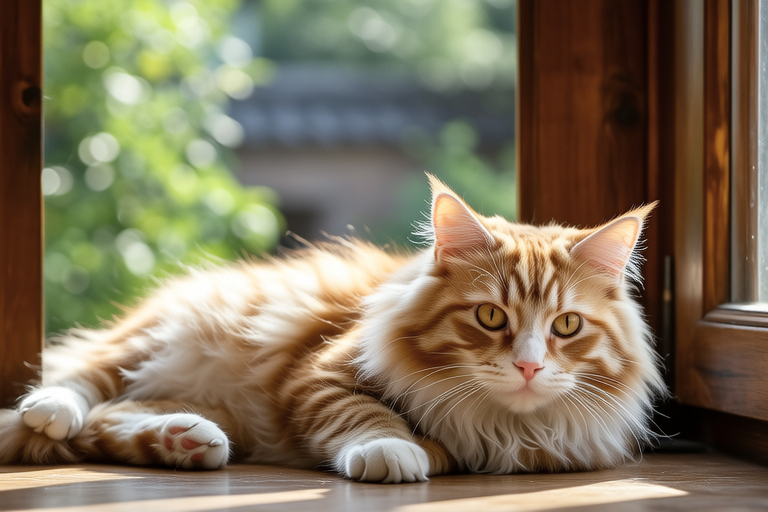
Orange Cats: Nature’s Perfect Blend of Fluff and Grace
Welcome to the enchanting world of orange cats! These feline wonders are not just beautiful; they are also full of charm and grace. Orange cats have been cherished by humans for centuries, and their popularity shows no signs of waning. This article will delve into the physical characteristics, temperament, and popular breeds of orange cats. We’ll explore their historical significance, common health issues, grooming tips, and dietary needs. By the end of this piece, you’ll understand why these magnificent creatures are considered ideal pets.
Physical Characteristics
Orange cats come in various shades, from pale apricots to deep oranges. Their coats can be solid, tabby-striped, or calico-patterned. The most striking feature of an orange cat is its vibrant, warm coat color, which seems to glow with life. This coat is often plush and soft, making them irresistible to pet. Orange cats typically have green eyes, though some may have blue or amber eyes. Their eyes add a unique touch to their overall appearance, making each one distinct.
One of the most notable features of orange cats is their muscular build. They are often described as medium-sized but well-muscled, giving them a sleek and athletic look. Their bodies are agile, allowing them to move with grace and precision. The tail of an orange cat is usually long and fluffy, adding to their overall charm. When fully extended, it resembles a plume, adding a touch of elegance to their movements.
Temperament
Orange cats are known for their friendly and outgoing personalities. They are social animals that enjoy human companionship and thrive in environments where they receive attention and affection. They are often described as being more interactive with their owners than other breeds. Their playful nature makes them excellent companions for families with children, as they enjoy games and toys.
Despite their friendly demeanor, orange cats are independent creatures. They enjoy spending time alone and can be quite self-sufficient. This independence means they are less likely to become overly dependent on their owners, reducing the risk of separation anxiety. However, they still value the bond they share with their human family and will seek out attention when they need it.
One of the most endearing qualities of orange cats is their curiosity. They are always exploring their surroundings, investigating new objects, and seeking out adventure. This curiosity can lead to some amusing moments, as they often get into mischief. I once had an orange cat named Ginger who was particularly fond of climbing high shelves to investigate forbidden items. His antics were both entertaining and sometimes frustrating!
Popular Breeds
Several cat breeds are known for their orange coloring, including the Maine Coon, Abyssinian, and Bengal. Each breed has its own unique characteristics, making them appealing to different types of cat lovers.
- Maine Coon: Known for their large size and luxurious fur, Maine Coons are one of the most popular orange cat breeds. They are gentle giants with a calm and patient demeanor. Their intelligence and loyalty make them great companions.
- Abyssinian: Abyssinians are smaller than Maine Coons but equally captivating. They have a sleek, athletic build and are known for their playful and energetic nature. Abyssinians are highly intelligent and enjoy mental stimulation.
- Bengal: Bengals are known for their wild appearance, thanks to their spotted coats. They are active and playful, making them great companions for families with children. Bengals are also highly trainable, which makes them stand out among other breeds.
Historical Significance
Orange cats have played significant roles in history and culture. In ancient Egypt, cats were revered as sacred animals, and many paintings depict them in various colors, including orange. During the Middle Ages, orange cats were believed to bring good luck and were often kept in homes to ward off evil spirits. In more recent times, orange cats have been featured in literature, film, and television, further cementing their place in popular culture.
One famous example of an orange cat in popular culture is Garfield, the beloved cartoon character created by Jim Davis. Garfield’s iconic orange fur and mischievous personality have made him a household name. Another famous orange cat is Cheshire Cat from Lewis Carroll’s “Alice’s Adventures in Wonderland.” The Cheshire Cat’s mysterious grin and ability to disappear and reappear at will have captured the imaginations of readers for generations.
Common Health Issues
Like all cats, orange cats are susceptible to certain health issues. One of the most common issues is obesity, which can lead to a range of health problems, including diabetes and joint pain. To prevent obesity, it’s important to provide your orange cat with a balanced diet and regular exercise. Obesity can also shorten a cat’s lifespan, so it’s essential to keep an eye on their weight and adjust their diet and activity levels accordingly.
Another common issue for orange cats is dental disease. Cats, like humans, can develop plaque and tartar buildup on their teeth, leading to gum disease and tooth decay. Regular dental care, including brushing your cat’s teeth and providing dental treats, can help prevent these issues. It’s also a good idea to schedule regular checkups with your veterinarian to ensure your cat’s oral health is in top condition.
Some orange cats may also be prone to respiratory infections, particularly if they have flat faces or short noses. These infections can cause difficulty breathing and other respiratory issues. If you notice any signs of respiratory distress in your cat, such as coughing, sneezing, or difficulty breathing, it’s important to seek veterinary care immediately.
Grooming Tips
Grooming is an essential part of caring for your orange cat. Their plush coats require regular brushing to remove loose hair and prevent matting. Brushing also helps distribute natural oils throughout the coat, keeping it healthy and shiny. Depending on the length and texture of your cat’s fur, you may need to brush them daily or weekly.
In addition to brushing, it’s important to trim your cat’s nails regularly. Long nails can cause discomfort and may lead to injury. Trimming your cat’s nails can also help prevent scratching furniture and other household items. You can use special nail clippers designed for cats or take your cat to a professional groomer for a more thorough trimming.
Regular bathing is generally not necessary for most cats, as they are capable of grooming themselves. However, if your cat gets into something particularly messy or smelly, a bath may be necessary. Be sure to use a cat-specific shampoo and follow the instructions carefully to avoid irritating your cat’s skin.
Dietary Needs
Providing your orange cat with a balanced diet is essential for maintaining their health and well-being. A high-quality commercial cat food that meets your cat’s nutritional needs is usually sufficient. Look for foods that are formulated for your cat’s age, size, and activity level. Wet food can also be a good option, especially for older cats or those with dental issues.
In addition to commercial cat food, you can supplement your cat’s diet with fresh vegetables and fruits. Many cats enjoy small amounts of cooked carrots, green beans, and apples. These foods can provide additional nutrients and variety to your cat’s diet. However, it’s important to introduce new foods gradually and monitor your cat for any adverse reactions.
Why Orange Cats Make Ideal Pets
Orange cats are considered ideal pets for several reasons. Their friendly and outgoing personalities make them great companions for families and individuals alike. They are social animals that enjoy human interaction and thrive in environments where they receive attention and affection. Their playful nature makes them excellent playmates for children, and their independent streak means they are less likely to become overly dependent on their owners.
Orange cats are also relatively low-maintenance pets. Their grooming needs are manageable, and they are generally healthy and robust. With proper care and attention, orange cats can live long and happy lives. They are also adaptable and can thrive in a variety of living situations, from apartments to houses.
One of the most endearing qualities of orange cats is their ability to bring joy and comfort to their human families. Their presence can brighten even the gloomiest day, and their playful antics can bring laughter and smiles. Whether lounging in a sunbeam or chasing after a toy, orange cats have a way of bringing light into our lives.
Conclusion
Orange cats are truly nature’s perfect blend of fluff and grace. Their vibrant coats, friendly personalities, and playful nature make them beloved pets around the world. From their historical significance to their common health issues, grooming tips, and dietary needs, there is much to learn about these magnificent creatures. By understanding and appreciating the unique qualities of orange cats, we can ensure they live long, healthy, and happy lives. Whether you’re a seasoned cat lover or considering adopting your first feline friend, an orange cat could be the perfect addition to your family.
