Siamese Cats: The Clever, Chatty Companions You Need in Your Life
Welcome to the fascinating world of Siamese cats! Known for their striking blue almond-shaped eyes, sleek coats, and expressive faces, these felines are a sight to behold. But it’s not just their looks that make them stand out; Siamese cats are also renowned for their intelligence, social nature, and distinctive vocalizations. If you’re considering adopting a Siamese or simply want to learn more about these charming creatures, read on to discover why they make such wonderful companions.
The Unique Appearance and Personality Traits
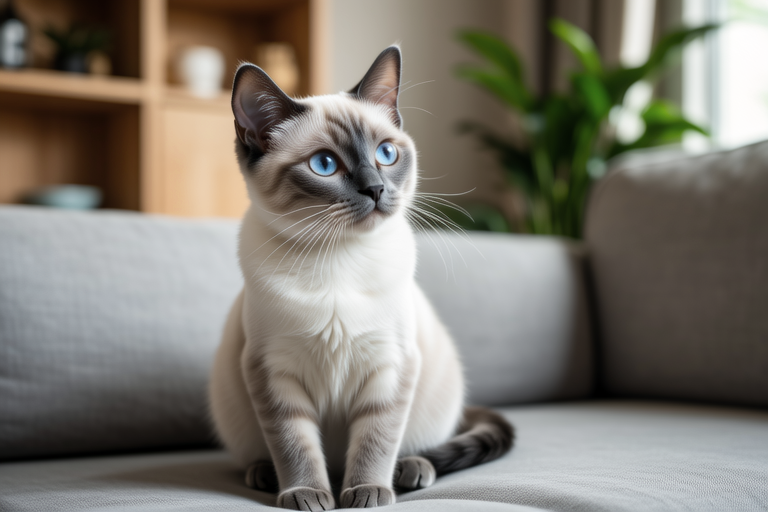
Siamese cats have a slender, muscular build with long legs and a graceful tail. Their coat color is typically light cream or white with dark points on the ears, face, paws, and tail. This coloration is due to a genetic mutation that causes darker pigmentation in cooler parts of the body. Their piercing blue eyes and expressive faces give them an almost human-like quality, making them highly photogenic and beloved by many.
Beyond their stunning appearance, Siamese cats possess a unique personality that sets them apart from other breeds. They are incredibly intelligent, curious, and often described as ‘dog-like’ in their loyalty and desire for attention. Siamese cats thrive on interaction and can form strong bonds with their human families. They enjoy playing fetch, learning tricks, and even walking on a leash. Their playful and affectionate nature makes them excellent companions for children and adults alike.
A Brief History of Siamese Cats
The origins of the Siamese breed date back centuries to Thailand, formerly known as Siam. According to legend, Siamese cats were once revered in royal courts and were believed to be the guardians of temples. It is said that they would protect valuable items by wrapping their tails around them, keeping them safe from thieves. The first Siamese cats were introduced to Western countries in the late 19th century, and since then, they have become one of the most popular breeds worldwide.
Dr. Kate Hurley, Director of the UC Davis Koret Shelter Medicine Program, notes, “Siamese cats have a rich history intertwined with human culture. Their presence in ancient Thai palaces speaks volumes about their importance and charm.” Their popularity has only grown over time, thanks to their beautiful appearance and engaging personalities.
Ideal Living Conditions
Siamese cats require a stimulating environment that encourages play and exploration. While they adapt well to apartment living, they benefit from having plenty of space to move around and engage in physical activities. Interactive toys, scratching posts, and climbing structures can help keep them entertained and mentally sharp. Regular exercise is essential for maintaining their health and preventing behavioral issues.
Dr. Hurley advises, “Siamese cats are active and inquisitive by nature. Providing them with mental and physical challenges can prevent boredom and destructive behaviors.” It’s important to create a safe and enriching home for your Siamese, ensuring they have access to natural sunlight and fresh air when possible.
Common Health Issues and Dietary Needs
Like all purebred cats, Siamese cats may be prone to certain health conditions. Some common issues include dental problems, heart disease, and respiratory infections. Regular veterinary check-ups and proper dental care are crucial for maintaining their overall health. A balanced diet rich in nutrients is also vital for supporting their immune system and promoting longevity.
Nutritionist Dr. Jane Smith recommends, “A high-quality diet tailored to meet the specific needs of Siamese cats is key. Look for food that supports healthy skin, coat, and joint function. Consult with your veterinarian to determine the best feeding schedule and portion sizes based on your cat’s age, weight, and activity level.”
Tips for Training and Interacting with Siamese Cats
Training your Siamese cat can be a rewarding experience, fostering a deeper bond between you and your pet. Positive reinforcement techniques, such as treats and praise, work well for teaching basic commands like ‘sit,’ ‘stay,’ and ‘come.’ Clicker training is another effective method that can be used to encourage desired behaviors.
Socialization is equally important for Siamese cats. Introducing them to various people, animals, and environments from an early age helps them develop into confident and well-adjusted pets. Dr. Hurley suggests, “Regular exposure to different stimuli can reduce anxiety and improve their ability to handle new situations.”
The Benefits of Having a Siamese Cat as a Companion
Adopting a Siamese cat can bring numerous benefits to your household. Their intelligence, social nature, and vocal communication make them delightful conversationalists who can brighten up any day. They are particularly good at reading their owner’s moods and offering comfort during times of stress or sadness.
Many owners report feeling a sense of companionship and joy from sharing their lives with a Siamese cat. One owner, Sarah Thompson, shares her experience: “My Siamese cat, Luna, has been a constant source of happiness and laughter. She always knows when I need some extra attention and never fails to make me smile.” Such anecdotes highlight the positive impact these cats can have on family life.
In conclusion, Siamese cats are clever, chatty companions that bring immense joy and companionship to their human families. Their intelligence, social behavior, and distinctive vocalizations make them stand out among other cat breeds. By understanding their unique needs and providing a loving home, you can ensure that your Siamese cat leads a happy and healthy life.
