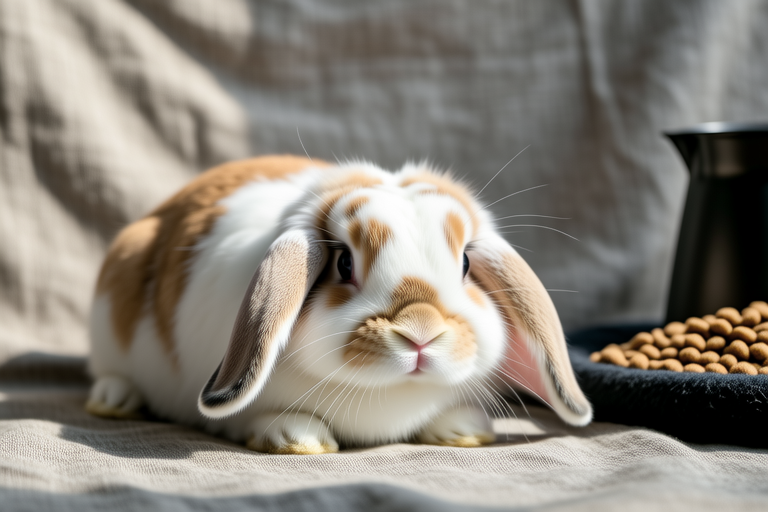
How to Care for Your New Lop Rabbit Like a Pro
Welcome to the wonderful world of lop rabbits! These gentle, affectionate creatures have unique care requirements that, when properly addressed, will ensure they live a long and healthy life. This guide will walk you through everything you need to know to care for your new lop rabbit like a pro.
Essential Diet Requirements
Lop rabbits require a balanced diet rich in fiber, vitamins, and minerals. The foundation of their diet should be hay, which aids in digestion and dental health. Fresh timothy or meadow hay is ideal for adult rabbits. For young lops, alfalfa hay can be given in moderation due to its higher calcium content.
In addition to hay, provide a small amount of fresh vegetables daily. Dark leafy greens such as kale, spinach, and romaine lettuce are excellent choices. Introduce new vegetables gradually to avoid digestive upset. Limit fruits and root vegetables, as they are high in sugar and can lead to obesity.
Commercial rabbit pellets should make up a smaller portion of your lop’s diet. Choose pellets specifically formulated for rabbits and avoid those with added seeds or dried fruit. Pellets should be provided in limited quantities to prevent overeating.
Suitable Housing Conditions
A spacious, comfortable living area is crucial for your lop rabbit’s well-being. Provide a large cage or enclosure that allows plenty of room for movement. A minimum size of 4 feet by 2 feet is recommended for a single lop rabbit. If housing multiple rabbits, increase the space accordingly.
Ensure the housing provides protection from drafts and direct sunlight. Place the cage in a quiet, low-traffic area of your home. Line the bottom of the cage with absorbent bedding, such as paper-based products or recycled newspaper. Avoid cedar and pine shavings, as these can irritate your lop’s respiratory system.
Include a hide box or cozy corner where your lop can retreat for privacy. This is especially important for lop rabbits, who may feel more vulnerable due to their drooping ears. Providing a safe, enclosed space will help them feel secure.
Proper Grooming Techniques
Grooming is essential for maintaining your lop rabbit’s coat and preventing matting. Regular brushing helps remove loose hair and reduces the risk of hairballs. Use a slicker brush or soft bristle brush to gently brush your lop’s fur at least once a week.
Pay special attention to areas around the ears, as lop rabbits’ drooping ears can trap dirt and debris. Clean the inside of the ears with a damp cloth, but avoid inserting anything into the ear canal. Check for signs of infection, such as redness or discharge.
Trim your lop’s nails every few weeks if they do not wear down naturally. Use nail clippers designed for small animals and take care not to cut the quick, which contains blood vessels. If you are unsure about trimming nails, consult a veterinarian or experienced groomer.
Exercise Needs
Lop rabbits are active and playful animals that require regular exercise to maintain good health. Allow your lop to spend supervised time outside of its cage each day. A rabbit-proofed room or outdoor pen is ideal for playtime.
Provide toys and enrichment activities to stimulate your lop’s mind and body. Cardboard boxes, tunnels, and chew toys made from untreated wood or compressed paper are great options. Rotate toys periodically to keep your lop interested.
Supervise your lop during exercise to ensure safety. Be cautious with stairs and other potential hazards. Consider providing ramps or steps to help your lop navigate between different levels of the house.
Health Care Tips
Regular veterinary check-ups are vital for your lop rabbit’s health. Schedule an initial visit within the first month of bringing your new pet home. Your veterinarian will assess overall health, discuss diet and care, and administer necessary vaccinations and deworming treatments.
Monitor your lop for signs of illness, such as lethargy, loss of appetite, diarrhea, or changes in behavior. Early detection and treatment can prevent serious health issues. Keep an eye on your lop’s teeth, as dental problems are common in rabbits. Signs of dental issues include difficulty eating, excessive salivation, and weight loss.
Spaying or neutering your lop rabbit is highly recommended. Not only does this prevent unwanted litters, but it also reduces the risk of certain cancers and behavioral issues. Consult with your veterinarian about the best time to spay or neuter your lop.
Advice on Bonding with Your Lop Rabbit
Bonding with your lop rabbit takes time and patience. Start by spending quiet time near your lop’s cage, allowing them to become accustomed to your presence. Gradually introduce short periods of handling, focusing on gentle petting and interaction.
Respect your lop’s boundaries and allow them to approach you at their own pace. Offer treats to build trust and positive associations. Once your lop feels comfortable, engage in play and training sessions to strengthen your bond.
Be patient and consistent in your interactions. Lop rabbits are social animals that thrive on companionship. Spend quality time with your lop each day, and you’ll soon enjoy a strong, loving relationship.
Remember, each lop rabbit is unique, and what works for one may not work for another. Pay close attention to your lop’s individual preferences and adjust your care routine accordingly. With proper care and attention, your lop rabbit will bring years of joy and companionship to your home.
