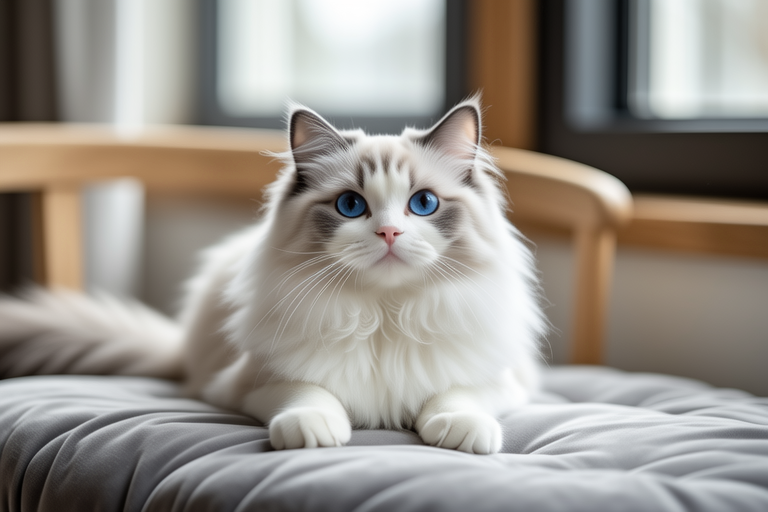
Top Secrets for Keeping Your Persian Cat Happy and Healthy
Welcome to a comprehensive guide that will help you ensure your Persian cat is both happy and healthy. Persians are known for their luxurious coats and gentle dispositions, but they also require specific care to thrive. This article will cover various aspects of Persian cat care, from diet and grooming to mental stimulation and living environments.
Optimal Diet Tailored for Persian Cats
Diet plays a crucial role in maintaining your Persian cat’s health. Persians have unique dietary needs due to their genetic predisposition to certain health issues like obesity and urinary tract problems. A balanced diet should include high-quality protein sources such as chicken, fish, and turkey. Avoid feeding your Persian foods high in fat, which can lead to obesity and other health complications.
It’s important to provide a diet rich in moisture to prevent urinary tract diseases, which are common in this breed. Wet food is highly recommended as it contains more water than dry food, aiding digestion and hydration. Always ensure fresh, clean water is available at all times. Consult with your veterinarian about the best brands and types of food for your Persian, as they can offer personalized advice based on your cat’s age, weight, and overall health.
Essential Grooming Tips to Maintain Their Long Coats
Persian cats are famous for their long, flowing coats, but this beauty comes with maintenance responsibilities. Their dense fur requires regular grooming to prevent matting and hairballs. Brush your Persian daily with a slicker brush or a wide-tooth comb to remove loose hair and prevent tangles. Pay special attention to areas around the tail, chest, and behind the ears.
Bathing your Persian cat every six to eight weeks can also help keep their coat in top condition. Use a gentle, pH-balanced shampoo specifically designed for cats. Be sure to rinse thoroughly to avoid leaving any soap residue, which can irritate your cat’s skin. After bathing, gently towel-dry your cat and use a blow dryer set on low heat if necessary. Always be cautious when drying near the face to avoid burns.
In addition to brushing and bathing, trimming your Persian’s nails regularly is essential. Overgrown nails can cause discomfort and potentially lead to infections. Invest in a good quality nail clipper and trim the tips of your cat’s nails every two weeks or so. If you’re unsure about how to do this, consult with a professional groomer or your veterinarian.
The Importance of Regular Veterinary Check-Ups
Regular visits to the vet are vital for maintaining your Persian cat’s health. Persian cats are prone to certain hereditary conditions, such as polycystic kidney disease (PKD) and hypertrophic cardiomyopathy (HCM). Early detection and management of these conditions can significantly improve your cat’s quality of life.
Annual check-ups allow veterinarians to monitor your cat’s overall health and catch potential issues before they become serious. During these visits, your vet will perform a thorough physical examination, review your cat’s vaccination records, and discuss any behavioral changes or concerns you might have. Additionally, routine blood tests and urinalysis can help detect underlying health problems early on.
Vaccinations are another critical aspect of your Persian cat’s healthcare. They protect against common feline diseases such as rabies, feline leukemia virus (FeLV), and feline immunodeficiency virus (FIV). Keep track of your cat’s vaccination schedule and ensure they receive booster shots as recommended by your veterinarian.
Suitable Indoor Activities to Keep Them Mentally Stimulated
Indoor activities are essential for keeping your Persian cat mentally stimulated and preventing boredom. Mental stimulation is just as important as physical exercise in maintaining a healthy lifestyle for your pet. Interactive toys, such as puzzle feeders and treat-dispensing balls, encourage problem-solving skills and provide entertainment.
Provide scratching posts or pads to satisfy your cat’s natural instinct to scratch and stretch. Scratching helps to remove old layers of claw and keeps nails trimmed. Place these items in strategic locations around your home to encourage your cat to use them instead of your furniture.
Interactive play sessions are a great way to bond with your Persian while providing much-needed exercise. Use feather wands, laser pointers, or small toy mice to engage your cat in playful chasing games. These activities not only keep your cat physically active but also help build a strong emotional connection between you and your pet.
Consider setting up a window perch or bird feeder outside your home to give your Persian a view of the outdoors. Watching birds or other wildlife can provide hours of entertainment and mental stimulation. Ensure that the area is safe and secure, with no access to toxic plants or dangerous objects.
Creating a Comfortable Living Environment
A comfortable living environment is crucial for your Persian cat’s well-being. Provide your cat with a quiet, cozy space where they can retreat when they need some peace and quiet. This could be a designated room, a corner of a room, or even a cat tree with elevated perches.
Comfortable bedding is essential for your Persian’s rest. Choose soft, warm bedding materials that are easy to clean, such as washable fleece blankets or memory foam cushions. Make sure to provide multiple resting spots throughout your home, especially in areas where your cat spends most of their time.
Cat-friendly furniture can also enhance your Persian’s living environment. Consider purchasing or building a cat tree with multiple levels, scratching posts, and built-in shelves. This provides your cat with vertical spaces to explore and climb, mimicking their natural habitat.
Lastly, ensure your home is safe for your Persian cat. Secure all windows and doors to prevent accidental escapes. Keep harmful chemicals, plants, and medications out of reach. Install childproof latches on cabinets and drawers if necessary. By creating a safe and comfortable environment, you’ll help ensure your Persian cat lives a long, healthy, and happy life.
In conclusion, keeping your Persian cat happy and healthy involves several key factors: providing an optimal diet, maintaining their long coats through regular grooming, scheduling regular veterinary check-ups, offering suitable indoor activities, and creating a comfortable living environment. By following these guidelines, you’ll be able to give your Persian cat the best possible care and ensure they live a long, fulfilling life. Remember, a healthy and happy cat is a joy to own, and the effort you put into their care will be rewarded with years of companionship and love.
