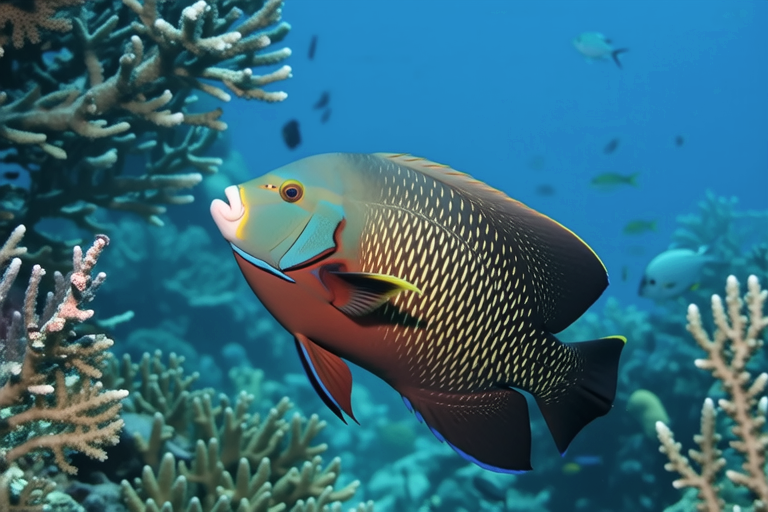
Discover the Hidden Talents of Parrot Fish: From Artists to Gardeners
Welcome to a fascinating journey into the underwater world of parrot fish, where nature’s hidden talents come to life. These colorful, captivating creatures are more than just beautiful additions to coral reefs; they are artists, gardeners, and essential contributors to marine ecosystems. In this article, we’ll explore the unique characteristics of parrot fish, delve into their artistic abilities, and uncover their vital role as marine gardeners. By the end, you’ll have a newfound appreciation for these remarkable fish and understand why it’s crucial to protect their habitats.
The Unique Characteristics of Parrot Fish
Parrot fish are some of the most vibrant and distinctive fish in the ocean. With their beak-like mouths and striking colors ranging from electric blues and greens to fiery oranges and yellows, these fish are true visual stunners. Their namesake comes from their beak-like teeth, which are encased in a bony plate, making them resemble the beaks of parrots. This unique adaptation allows them to feed efficiently on coral and other hard surfaces.
Parrot fish are found in tropical and subtropical waters worldwide, particularly in the Indo-Pacific region. They inhabit coral reefs, lagoons, and coastal areas, where they play a significant role in maintaining the balance of these ecosystems. One of the most interesting aspects of parrot fish is their ability to change color and sex throughout their lives. Some species can even change sex multiple times, starting as females and later becoming males.
Parrot Fish as Artists
Parrot fish are not just beautiful to look at; they also create stunning works of art through their natural feeding behavior. As they graze on coral and rocks, they inadvertently sculpt the seabed into intricate patterns and shapes. This process, known as bioerosion, involves parrot fish scraping off layers of coral and rock with their strong beaks, leaving behind a series of trenches and ridges that resemble abstract art.
While this may seem like a destructive activity, it is actually a vital part of the reef ecosystem. The parrot fish’s feeding habits help break down dead coral and promote the growth of new coral polyps. This continuous cycle of destruction and regeneration ensures the health and vitality of coral reefs. Scientists have observed that areas with high parrot fish populations tend to have healthier and more diverse coral communities.
One anecdote that illustrates the artistic abilities of parrot fish involves a group of divers who noticed unusual patterns appearing on the seabed over time. Initially, they thought it was the result of some unknown phenomenon, but after careful observation, they realized that it was the work of parrot fish. The divers were amazed at the complexity and beauty of the patterns, which seemed almost too perfect to be the result of random feeding behavior. This discovery sparked further research into the ecological roles of parrot fish and their impact on marine biodiversity.
Parrot Fish as Marine Gardeners
In addition to their artistic talents, parrot fish play a critical role as marine gardeners. Their primary diet consists of algae, which they scrape off coral and rocks using their specialized beaks. This grazing behavior helps prevent the overgrowth of algae, which can otherwise smother and kill coral polyps. By keeping algae populations in check, parrot fish ensure that coral has enough space and nutrients to thrive.
The relationship between parrot fish and coral is symbiotic. Coral provides shelter and food for the fish, while the fish help maintain the health of the coral. Without the constant presence of parrot fish, coral reefs would likely suffer from excessive algal growth, leading to a decline in biodiversity and overall reef health. Studies have shown that areas with healthy populations of parrot fish tend to have lower levels of algal cover and higher coral cover, indicating the positive impact of these fish on coral ecosystems.
Another important aspect of parrot fish’s gardening abilities is their contribution to the formation of sand. As they digest the coral and rocks they consume, their digestive systems process the calcium carbonate, turning it into fine sand. This sand is then excreted and becomes part of the beaches and islands that many people enjoy. It is estimated that a single large parrot fish can produce up to 90 kilograms of sand per year, highlighting the significant role these fish play in shaping our coastlines.
Scientific Insights
Recent scientific studies have provided valuable insights into the complex interactions between parrot fish and their environment. Researchers have used advanced imaging techniques to map the feeding patterns of parrot fish and observe the effects of their grazing on coral reefs. These studies have revealed that parrot fish preferentially target certain types of algae, which can vary depending on the location and season.
Understanding these preferences is crucial for developing effective conservation strategies. For example, if certain algae species are particularly harmful to coral, efforts can be made to increase the population of parrot fish that specialize in consuming those species. Additionally, researchers have explored the potential for using parrot fish as a tool for restoring damaged coral reefs. By carefully managing the introduction of parrot fish to degraded areas, scientists hope to stimulate the recovery of coral populations.
Another area of ongoing research focuses on the effects of climate change on parrot fish populations. Rising sea temperatures and increased acidity can negatively impact coral reefs, potentially reducing the availability of food for parrot fish. Scientists are working to determine how these environmental changes might affect the behavior and distribution of parrot fish and what measures can be taken to mitigate these impacts.
The Importance of Preserving Parrot Fish Habitats
The talents of parrot fish as artists and gardeners are not only awe-inspiring but also essential for the health and survival of marine ecosystems. Unfortunately, these fish face numerous threats, including overfishing, habitat destruction, and pollution. Protecting their habitats is crucial for ensuring that parrot fish can continue to perform their vital roles in the ocean.
Conservation efforts can take many forms, from establishing marine protected areas to promoting sustainable fishing practices. Education and awareness campaigns can also play a significant role in encouraging people to appreciate and respect the ocean’s biodiversity. By supporting these initiatives and making conscious choices in our daily lives, we can help preserve the habitats of parrot fish and other marine species.
Ultimately, the preservation of parrot fish habitats is not just about protecting one species but about safeguarding entire ecosystems. Healthy coral reefs support countless other species, from tiny plankton to massive whales. By ensuring that parrot fish can thrive, we are helping to maintain the delicate balance of life in the ocean and contributing to the well-being of our planet.
In conclusion, parrot fish are truly remarkable creatures with hidden talents that go beyond their striking appearance. From creating stunning sand sculptures to maintaining healthy coral gardens, these fish play a vital role in marine ecosystems. By learning about and appreciating the contributions of parrot fish, we can better understand the importance of protecting their habitats and ensuring the continued health of our oceans.
