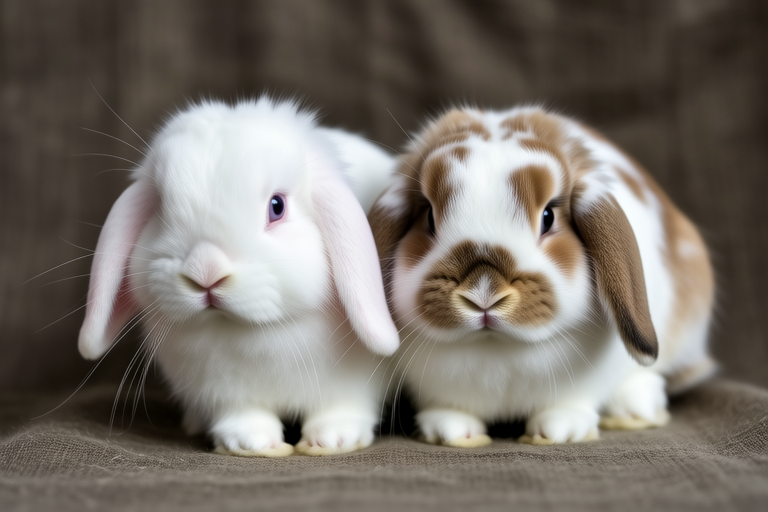
Dutch Dwarf Rabbits: The Cutest Hoppers You’ll Ever Want
Welcome to the delightful world of Dutch Dwarf rabbits! These charming creatures have captured the hearts of many pet enthusiasts around the globe. With their unique appearance and endearing personalities, it’s no wonder they’re often referred to as the cutest hoppers you’ll ever want.
Introduction to Dutch Dwarf Rabbits
The Dutch Dwarf is a small breed of domestic rabbit that originated from the Netherlands in the early 20th century. They are known for their distinctive white markings and compact, sturdy bodies. Typically, these rabbits weigh between 1.8 to 2.3 kilograms (4 to 5 pounds), making them one of the smallest breeds available. Their short, dense fur comes in various colors such as black, blue, chocolate, and white, which adds to their adorable appearance.
A Unique and Adorable Appearance
One of the most striking features of Dutch Dwarfs is their coat pattern. They have a broad white blaze that runs down their face, covering their forehead and cheeks. This white marking extends to their chest, paws, and tail, creating a beautiful contrast against their colored fur. Their round, expressive eyes add to their appeal, making them look like tiny, furry teddy bears.
Temperament: Ideal for Families and First-Time Owners
Beyond their cute looks, Dutch Dwarf rabbits are known for their gentle and friendly nature. They are highly social animals and thrive when given plenty of attention and interaction. This makes them perfect companions for families or individuals looking for a low-maintenance pet. Their calm demeanor and playful behavior also make them suitable for first-time rabbit owners who may be new to caring for small animals.
Proper Care for Your Dutch Dwarf Rabbit
Caring for a Dutch Dwarf rabbit involves several important aspects, including their diet, housing, and exercise needs.
Dietary Needs
As herbivores, Dutch Dwarfs require a balanced diet rich in fiber. Fresh hay should always be available to them, as it aids in digestion and keeps their teeth healthy. Pellets formulated specifically for rabbits should be provided in moderation to ensure they receive essential nutrients. Additionally, fresh vegetables and fruits can be offered as occasional treats, but should not make up a significant portion of their diet. It’s crucial to avoid feeding them foods high in sugar or starch, as these can lead to digestive problems.
Housing Requirements
Dutch Dwarfs need a safe and comfortable living space that provides ample room for movement and play. A spacious cage or hutch with a minimum floor area of 60 x 60 cm (24 x 24 inches) is recommended for a single rabbit. The cage should be well-ventilated and kept clean at all times. Providing a soft bedding material, such as straw or shredded paper, will help maintain hygiene and comfort. It’s also essential to place the cage in a quiet area away from drafts and direct sunlight to prevent overheating.
Exercise and Social Interaction
Like all rabbits, Dutch Dwarfs benefit greatly from regular exercise. Allow your rabbit supervised time outside of its cage each day to hop and explore. This not only helps them stay physically fit but also stimulates their mental well-being. Spend quality time with your rabbit by interacting with them through gentle handling and playing. This bonding process strengthens the bond between you and your pet, making them feel secure and loved.
Common Health Issues and Prevention Tips
While Dutch Dwarfs are generally healthy rabbits, they are susceptible to certain health issues if proper care is not maintained. Understanding these potential problems and knowing how to prevent them can help ensure your rabbit lives a long and happy life.
Preventing Dental Problems
One of the most common health issues in rabbits is dental disease. Overgrown teeth can cause pain, difficulty eating, and even infections. To prevent this, provide your rabbit with plenty of hay and chew toys that encourage gnawing. Regular veterinary check-ups are also vital for monitoring your rabbit’s oral health.
Preventing Obesity
Another concern for Dutch Dwarfs is obesity, which can lead to various health complications. Maintaining a balanced diet and ensuring your rabbit gets enough exercise are key factors in preventing weight gain. Avoid overfeeding pellets and treats, and monitor your rabbit’s body condition regularly.
Respiratory Infections
Rabbits are prone to respiratory infections, especially if they live in poorly ventilated or dusty environments. Keep your rabbit’s living area clean and free from mold or dampness. Signs of respiratory distress include sneezing, nasal discharge, and labored breathing. If you notice any of these symptoms, consult a veterinarian immediately.
Why Dutch Dwarf Rabbits Make Excellent Pets
There are numerous reasons why Dutch Dwarf rabbits make wonderful pets. Their small size and manageable care requirements make them ideal for apartment dwellers or those with limited space. Their friendly and sociable nature allows them to form strong bonds with their human companions, providing endless joy and companionship.
In conclusion, Dutch Dwarf rabbits are truly the cutest hoppers you’ll ever want. With their unique appearance, gentle temperament, and minimal care requirements, they are perfect for families and first-time rabbit owners alike. By understanding their dietary needs, providing adequate housing, and maintaining their overall health, you can ensure your Dutch Dwarf rabbit enjoys a long and happy life by your side. Embrace the charm and companionship of these adorable creatures, and you’ll find yourself falling in love with them more and more every day.
