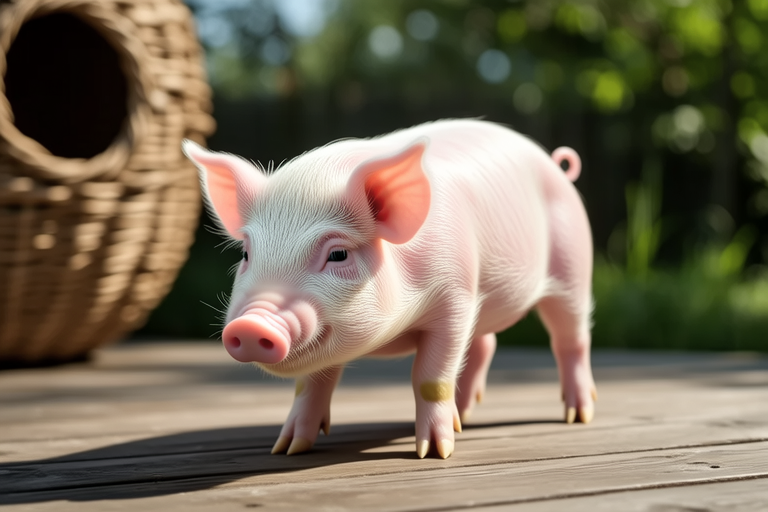
The Surprising Truth About Keeping Mini Pigs as Pets
Mini pigs have gained popularity as pets in recent years, but many people still hold misconceptions about these intelligent animals. This article aims to dispel some of the most common myths surrounding mini pigs and provide a comprehensive guide on what it truly means to own one.
Debunking Common Myths
One of the most pervasive myths about mini pigs is that they remain small throughout their lives. In reality, even miniature breeds can grow up to 75 pounds or more. Another misconception is that they require minimal care. In fact, mini pigs need consistent attention, proper nutrition, and regular veterinary check-ups.
Understanding Their Intelligence and Social Needs
Mini pigs are incredibly intelligent creatures. They can learn simple commands and tricks, much like dogs. Their cognitive abilities make them highly trainable, but this also requires patience from their owners. Social interaction is crucial for their well-being; mini pigs thrive in environments where they receive ample attention and affection.
Dietary Specifics
Proper diet is essential for maintaining a healthy mini pig. A balanced diet includes high-quality commercial pig pellets, fresh fruits and vegetables, and limited amounts of grains. It’s important to avoid overfeeding, as obesity is a significant health concern for these animals. Regular feeding schedules help prevent behavioral issues such as begging and destructive chewing.
Legal Considerations
Potential owners must research local regulations regarding pet ownership before bringing a mini pig home. Some areas prohibit certain breeds or impose restrictions on where animals can be kept. Additionally, securing proper identification and ensuring vaccinations are up-to-date are vital steps in responsible pet care.
Necessary Preparations
Before adopting a mini pig, prepare your living space adequately. Mini pigs require spacious areas both indoors and outdoors, complete with appropriate shelter and enrichment toys. Training sessions should start early to establish boundaries and good behavior. Ensuring all household members understand the responsibilities involved is equally important.
Real-Life Examples and Case Studies
Case Study 1: Sarah adopted a mini pig named Daisy after seeing her at a friend’s house. Initially excited about having a pet, Sarah soon realized the time and effort required to keep Daisy happy and healthy. Despite the challenges, she found immense joy in watching Daisy grow and develop her unique personality.
Case Study 2: John encountered difficulties when his landlord unexpectedly banned pets. Without adequate preparation, he faced the heart-wrenching decision of rehoming his beloved mini pig, Max. This scenario highlights the importance of understanding local laws and being prepared for unforeseen circumstances.
Tips for Prospective Owners
To ensure you’re fully prepared for the commitment of owning a mini pig:
- Research thoroughly: Understand the breed-specific traits and needs of mini pigs.
- Prepare your home: Create safe, comfortable spaces for your new pet.
- Seek professional advice: Consult veterinarians and experienced owners for guidance.
- Be patient: Building a strong bond takes time and dedication.
- Stay informed: Stay updated on best practices for caring for mini pigs.
Owning a mini pig can be a rewarding experience filled with love and companionship. However, it also comes with significant responsibilities. By educating yourself beforehand and making thoughtful decisions, you can provide your mini pig with a loving home while ensuring your own happiness as well.
