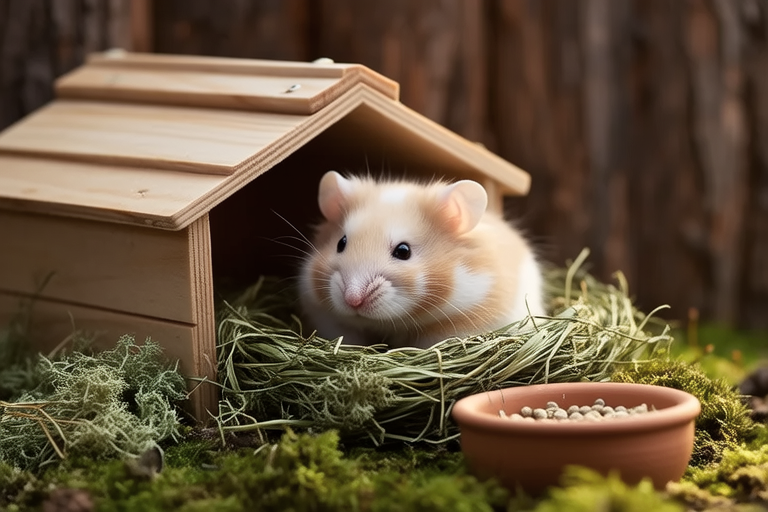
Hamster Habitat Hacks: Create the Ultimate Cozy Nest for Your Pet
Welcome to the world of hamster care! Providing your furry friend with a comfortable and enriching environment is essential for their health and happiness. In this comprehensive guide, we will explore various aspects of creating the perfect hamster habitat, including selecting appropriate bedding materials, designing safe exercise areas, integrating hiding spots, and maintaining hygiene. We’ll also discuss the importance of size, temperature control, and enrichment toys, along with DIY ideas for customizing the habitat.
Selecting Appropriate Bedding Materials
The first step in creating a cozy nest for your hamster is choosing the right bedding material. Soft, absorbent, and dust-free bedding ensures your pet remains healthy and comfortable. Popular choices include:
- Paper-based bedding: Made from recycled paper or wood pulp, these products are soft, hypoallergenic, and easy to clean. They come in various forms, such as shredded paper, pellets, and fleece.
- Cedar and pine shavings: Avoid these options as they may contain aromatic oils harmful to hamsters.
- Wool and fleece: These materials provide excellent insulation and warmth but require regular washing to prevent bacterial growth.
When selecting bedding, ensure it is free from chemicals, dyes, and artificial fragrances. Additionally, opt for bedding that clumps easily, making cleanup more manageable.
Designing Safe Exercise Areas
Exercise is crucial for hamsters’ physical and mental well-being. Creating a safe and stimulating exercise area within their habitat encourages activity and prevents boredom. Consider incorporating the following elements:
- Running wheels: Ensure the wheel is large enough (at least 8 inches in diameter) to prevent spinal injuries. Solid-surface wheels are safer than wire ones, as they prevent feet and tails from getting caught.
- Tunnels and bridges: These structures provide opportunities for exploration and climbing. Opt for tunnels made from safe materials, such as plastic or cardboard, and ensure bridges have sturdy supports.
- Obstacle courses: Create an obstacle course using tubes, ramps, and platforms to encourage your hamster to climb, jump, and crawl.
Remember to monitor your hamster during playtime and remove any unsafe or damaged toys immediately.
Integrating Hiding Spots
Hiding spots are vital for hamsters’ emotional well-being. These areas provide security, reduce stress, and promote natural behaviors. Suitable hiding spots include:
- Cardboard boxes: Cut small entrance holes and place them throughout the habitat. Replace the box when it becomes worn or dirty.
- Plastic igloos: These durable, easy-to-clean structures are available in various colors and sizes.
- Hay bales: Layer hay over a solid base to create a soft, warm hideaway.
Ensure hiding spots are placed in different areas of the habitat to encourage exploration and provide multiple options for your hamster.
Maintaining Hygiene
A clean habitat promotes good health and minimizes odor. Follow these steps to maintain hygiene:
- Spot cleaning: Remove soiled bedding and replace it with fresh material daily.
- Deep cleaning: Every two weeks, remove all bedding, toys, and accessories. Clean the habitat thoroughly with mild soap and water, then rinse and dry before replacing everything.
- Sanitizing: Use a pet-safe disinfectant to sanitize the habitat and accessories between deep cleans.
Additionally, provide your hamster with a dust bath once or twice a week to help maintain coat cleanliness and prevent skin issues.
The Importance of Size, Temperature Control, and Enrichment Toys
Creating a suitable habitat requires careful consideration of several factors:
Size
Choose an appropriately sized habitat based on your hamster’s breed and activity level. Syrian hamsters, for example, require larger habitats (minimum 4 square feet), while dwarf breeds can thrive in smaller enclosures (minimum 2 square feet).
Temperature Control
Hamsters prefer moderate temperatures between 65°F and 75°F (18°C to 24°C). Avoid placing their habitat near windows, air conditioning units, or heaters. If necessary, use a humidifier or dehumidifier to maintain optimal humidity levels (30% to 50%).
Enrichment Toys
Provide a variety of toys to stimulate your hamster’s mind and body. Rotate toys periodically to prevent boredom and encourage exploration. Suitable enrichment toys include:
- Chew toys: Wooden blocks, untreated branches, and safe chew sticks help maintain dental health.
- Interactive toys: Puzzle feeders, treat-dispensing toys, and scent trails challenge your hamster’s problem-solving skills.
- Social interaction: Spend time playing with your hamster outside its habitat to strengthen your bond and provide mental stimulation.
DIY Ideas for Customizing the Habitat
Customizing your hamster’s habitat adds personality and enhances their comfort. Here are some DIY ideas:
DIY Tunnel System
Create a tunnel system using cardboard tubes, PVC pipes, or flexible tubing. Securely connect the sections using duct tape or zip ties. Place the tunnel system in various locations within the habitat to encourage exploration.
DIY Fort
Construct a fort using cardboard boxes, paper bags, or fabric scraps. Decorate the fort with felt, fabric, or paint to match your hamster’s personality. Ensure the fort has multiple entrances and exits for easy access.
DIY Hammock
Make a hammock using a soft, lightweight material like fleece or cotton. Attach the hammock to the side of the habitat using clips or hooks. Ensure the hammock is securely fastened and provides ample support for your hamster.
Benefits of a Well-Designed Habitat
A well-designed habitat offers numerous benefits for your hamster’s health and happiness. A comfortable and enriching environment reduces stress, promotes physical activity, and encourages natural behaviors. Additionally, a properly maintained habitat minimizes the risk of illness and injury, ensuring your hamster lives a long, healthy life.
In conclusion, creating the ultimate cozy nest for your hamster involves selecting appropriate bedding materials, designing safe exercise areas, integrating hiding spots, and maintaining hygiene. By considering the importance of size, temperature control, and enrichment toys, you can provide your furry friend with a stimulating and enjoyable living space. With these tips and DIY ideas, you’re ready to build the perfect home for your beloved hamster.
