The Fascinating World of Water Monitors: What Every Owner Should Know
Water monitors (Varanus salvator) are among the largest lizards in the world, captivating reptile enthusiasts with their impressive size, intelligence, and unique behaviors. Native to Southeast Asia, these remarkable creatures have adapted to thrive in diverse environments, from dense tropical forests to riverbanks and coastal areas. Understanding the world of water monitors is crucial for anyone considering keeping one as a pet, as they require specialized care and a significant commitment.
Native Habitats and Physical Characteristics
Water monitors are predominantly found in countries such as India, Sri Lanka, Thailand, Indonesia, and the Philippines. They inhabit a variety of habitats, including mangroves, rivers, lakes, and even urban areas where food is abundant. Their ability to swim and climb makes them versatile in their choice of environment.
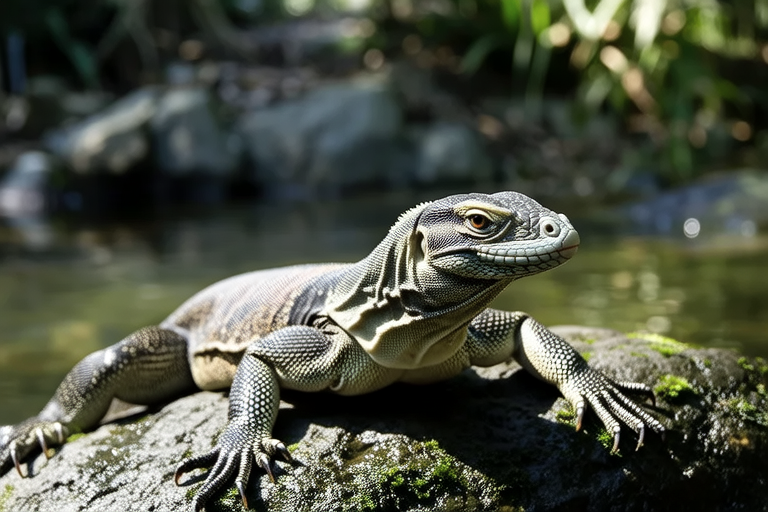
Physically, water monitors are strikingly beautiful. They can grow up to 3 meters in length and weigh over 50 kilograms. Males are typically larger than females. These lizards have long, powerful tails that act as efficient propellers in water and as weapons for defense. Their skin is covered in tough scales, offering protection against predators and harsh environmental conditions. The coloration of water monitors varies widely, ranging from olive green to brown, often with yellow or white spots and stripes. This camouflage helps them blend into their surroundings, making them effective hunters.
Diet and Behavior
Water monitors are opportunistic omnivores, meaning their diet consists of a wide range of foods. In the wild, they feed on fish, frogs, birds, small mammals, insects, and occasionally carrion. Captive water monitors should be provided with a varied diet to ensure proper nutrition. A combination of rodents, fish, insects, and occasional fruits or vegetables can meet their dietary needs.
Behaviorally, water monitors are curious and active. They are intelligent and can learn to recognize their handlers. However, due to their strength and unpredictable nature, they require careful handling. In captivity, they display territorial behavior and can become aggressive if threatened or improperly handled. It’s important to establish a routine and build trust through consistent, gentle interactions.
Care Requirements
Housing
Proper housing is essential for the well-being of water monitors. A large enclosure is necessary to provide ample space for movement and exploration. A minimum size of 6 feet by 4 feet by 4 feet is recommended for a juvenile, increasing as the lizard grows. The enclosure should include climbing structures, hiding spots, and a large water area for swimming. The substrate should be easy to clean and maintain, such as reptile carpet or newspaper.
Temperature and Humidity
Maintaining the correct temperature and humidity levels is vital for the health of water monitors. The basking area should reach around 95°F (35°C), while the cooler side of the enclosure should be around 80°F (27°C). Nighttime temperatures can drop slightly but should never go below 75°F (24°C). High humidity levels, between 70% and 80%, should be maintained to prevent dehydration and respiratory issues.
Feeding
Feeding water monitors requires careful consideration. Juveniles should be fed daily, while adults can be fed every two to three days. Prey items should be appropriately sized for the monitor’s mouth to avoid choking hazards. Live prey can be offered to stimulate natural hunting behaviors, but it’s crucial to ensure that the prey does not harm the monitor. Regular monitoring of body condition is necessary to prevent obesity or malnutrition.
Health Issues and Preventive Measures
Water monitors are generally hardy animals, but they are prone to certain health issues if not cared for properly. Common problems include metabolic bone disease (MBD) caused by calcium deficiency, respiratory infections due to improper humidity, and parasitic infestations. Regular veterinary check-ups and appropriate husbandry practices can help prevent these issues. Providing a balanced diet rich in calcium and vitamin D3, maintaining optimal temperature and humidity levels, and ensuring proper hygiene can significantly reduce the risk of health problems.
Handling and Training
Handling water monitors requires patience and caution. Due to their size and strength, they can cause injury if mishandled. Always approach the monitor calmly and allow it time to acclimate to your presence. Use a secure grip around the torso, avoiding the tail and head. Training water monitors can be rewarding but must be done gently and consistently. Positive reinforcement techniques, such as offering treats or praise, can encourage desired behaviors. It’s important to remember that even trained monitors may exhibit sudden aggressive behavior, so always handle with care.
The Commitment of Ownership
Owning a water monitor is a significant commitment that should not be taken lightly. These animals require a substantial investment in terms of time, money, and resources. The initial setup cost for an appropriate enclosure, heating, lighting, and other equipment can be high. Ongoing expenses include food, veterinary care, and regular maintenance of the enclosure. Moreover, water monitors have a lifespan of up to 15 years, requiring a long-term commitment from their owners.
For those who are prepared for the challenges and rewards of owning a water monitor, these fascinating creatures offer a unique and enriching experience. Their intelligence, adaptability, and striking appearance make them captivating pets for experienced reptile owners. However, it’s essential to thoroughly research and prepare before bringing a water monitor into your home.
In conclusion, water monitors are remarkable reptiles with unique characteristics and care requirements. By understanding their native habitats, dietary needs, and behavioral traits, potential owners can provide the best possible care for these magnificent creatures. With the right knowledge and dedication, owning a water monitor can be a fulfilling and enjoyable experience.
