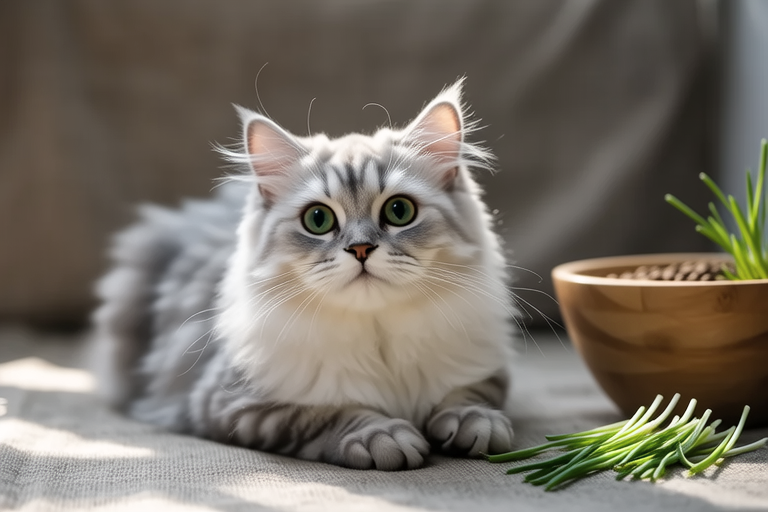
Adorable Fluff Ball: Everything You Need to Know About Chinchillas
Welcome to the wonderful world of chinchillas! These adorable fluff balls are one of the most popular exotic pets today. With their soft, luxurious fur and captivating eyes, it’s no wonder why they’ve captured the hearts of many animal lovers. This comprehensive guide will cover everything you need to know about these charming creatures, from their diet and habitat requirements to common health issues and training tips.
The Unique Appearance and Popularity of Chinchillas
Chinchillas are small rodents native to the Andes mountains in South America. They have large, round ears, short front legs, and long hind legs that make them excellent jumpers. Their most striking feature, however, is their incredibly dense, soft fur. Each hair follicle can grow up to 80 hairs, making their coat one of the softest in the animal kingdom. This plushness has made chinchillas highly sought after for their pelts, but today, they are primarily kept as beloved pets.
As pets, chinchillas are known for their playful and curious nature. They are intelligent animals that can bond strongly with their owners. However, due to their nocturnal habits and high energy levels, they may not be the best choice for everyone. If you’re ready to welcome a chinchilla into your home, read on to learn more about how to care for these delightful creatures.
Diet and Nutrition
A proper diet is essential for keeping your chinchilla healthy and happy. The foundation of a chinchilla’s diet should be high-quality hay, such as timothy or orchard grass hay. Hay provides necessary fiber for digestion and helps keep teeth worn down. Additionally, chinchillas require a balanced pellet food formulated specifically for them. Avoid pellets containing seeds, nuts, or dried fruits, as these can cause obesity and dental problems.
Chinchillas also enjoy fresh vegetables and fruits as occasional treats. Offer small portions of leafy greens like romaine lettuce, spinach, and parsley. Fruits, though tasty, should be given sparingly due to their high sugar content. Always introduce new foods gradually to prevent digestive upset.
Habitat Requirements
Creating a suitable habitat for your chinchilla is crucial for their well-being. A spacious cage with multiple levels allows for exercise and exploration. The cage should be at least 3 feet wide by 2 feet deep by 4 feet tall. Wire flooring is recommended to allow droppings to fall through, preventing buildup and reducing the risk of infection. Place the cage in a quiet area away from direct sunlight and drafts.
Chinchillas need plenty of toys and accessories to keep them mentally stimulated. Provide tunnels, chew toys, and platforms for climbing. Since chinchillas are naturally clean animals, include a dust bath area filled with special chinchilla dust. This is essential for grooming and maintaining their fur. Change the dust regularly to ensure cleanliness.
Grooming Needs
Chinchillas are meticulous groomers, spending much of their time cleaning themselves. However, regular grooming by their owner is still necessary to maintain their health and appearance. As mentioned earlier, providing a dust bath is vital. Allow your chinchilla to bathe for about 10-15 minutes, two to three times per week. Never use water to wash your chinchilla, as their fur can become matted and lead to skin issues.
In addition to dust baths, trim your chinchilla’s nails every few weeks. Use sharp, curved nail clippers designed for small animals. Be careful not to cut the quick, which contains blood vessels and nerves. If you’re unsure, consult a veterinarian for guidance. Brushing your chinchilla’s fur occasionally can help remove loose hairs and distribute natural oils.
Common Health Issues
Like any pet, chinchillas are susceptible to certain health problems. Dental issues are among the most common, as their teeth continuously grow throughout their lives. Signs of dental problems include drooling, difficulty eating, or weight loss. Regular veterinary check-ups and a proper diet can help prevent these issues. Another frequent concern is bloat, a condition where gas builds up in the digestive tract. To reduce the risk, avoid sudden changes in diet and feed hay consistently.
Respiratory infections can also affect chinchillas, especially if they live in cold or damp environments. Symptoms include sneezing, nasal discharge, and lethargy. Keep your chinchilla’s living space warm and dry, and ensure good ventilation. If you notice any signs of illness, contact a veterinarian immediately.
Behavior and Interaction with Humans
Chinchillas are social animals that thrive on interaction with their human companions. They are generally gentle and affectionate, but they may be shy or skittish when first introduced to new people or environments. Patience and consistency are key when building trust with your chinchilla. Spend time handling and playing with them daily to strengthen your bond.
Training your chinchilla can be a fun and rewarding experience. Positive reinforcement techniques, such as offering treats and praise, work well for teaching basic commands. For example, you can train your chinchilla to come when called or sit on your shoulder. Be patient and consistent, and remember that each chinchilla learns at its own pace.
Advice on Adopting a Chinchilla
If you’re considering adopting a chinchilla, there are several factors to keep in mind. First, ensure that you have the time and resources to provide proper care. Chinchillas require a significant commitment in terms of attention, grooming, and veterinary expenses. Research reputable breeders or shelters to find a healthy, well-socialized chinchilla. Look for signs of good health, such as clear eyes, clean ears, and a glossy coat.
Once you bring your new chinchilla home, give them time to adjust to their new environment. Set up the cage before bringing your chinchilla home, and ensure all supplies are ready. Allow your chinchilla to explore their new surroundings at their own pace. Gradually introduce yourself and handle them gently to build trust.
Resources for New Owners
Becoming a chinchilla owner comes with a learning curve, but there are plenty of resources available to help you along the way. Join online forums and social media groups dedicated to chinchilla owners. These communities offer valuable advice, support, and encouragement. Attend local meetups or workshops to connect with other chinchilla enthusiasts and learn from experienced owners.
Your veterinarian is another invaluable resource. Choose a vet who specializes in exotic animals and has experience with chinchillas. Regular check-ups and vaccinations are important for maintaining your chinchilla’s health. Don’t hesitate to ask questions and seek guidance whenever needed.
By following this guide and utilizing available resources, you’ll be well-equipped to provide a loving and nurturing home for your chinchilla. Enjoy the journey of raising these adorable fluff balls and cherish the unique bond you’ll share with your new furry friend.
