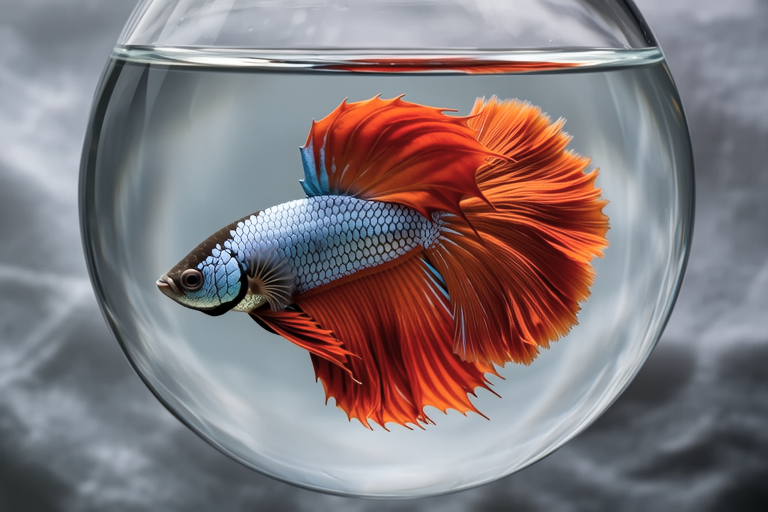
From Fin to Flame: The Ultimate Guide to Betta Care
Welcome to the world of vibrant, colorful, and fascinating betta fish! Often referred to as Siamese fighting fish, bettas are a favorite among aquarium enthusiasts due to their striking appearance and relatively low-maintenance care requirements. This guide will provide you with all the information you need to ensure your betta thrives in its aquatic home.
Setting Up the Ideal Tank Environment
Creating a comfortable and stimulating environment is crucial for the well-being of your betta. While bettas can live in small containers, they will thrive in a properly set-up aquarium. Here’s how to get started:
- Tank Size: A minimum of 2.5 gallons is recommended for one betta. Larger tanks allow for more swimming space and easier water maintenance.
- Filtration: Bettas have a labyrinth organ that allows them to breathe air at the surface, but they still benefit from filtration. Choose a gentle filter to avoid strong currents that could stress your fish.
- Heating: Bettas prefer warmer waters, ideally between 76°F and 82°F (24°C and 28°C). Use a reliable aquarium heater to maintain this temperature range.
- Decorations: Provide hiding spots and places to explore with plants, caves, and driftwood. These items also help oxygenate the water and improve water quality.
Water Parameters and Maintenance
Water quality directly impacts your betta’s health and longevity. Regular monitoring and maintenance are essential to keep your betta thriving:
- Water Quality: Maintain a pH level between 6.5 and 7.5, and ensure ammonia and nitrite levels are undetectable. Nitrate levels should be kept below 20 ppm.
- Water Changes: Perform weekly water changes of about 25% to 30% to remove toxins and replenish beneficial minerals.
- Water Testing: Use test kits to monitor pH, ammonia, nitrite, and nitrate levels regularly. Adjust as necessary with water conditioners or by changing the water.
- Substrate: Gravel or sand can be used as substrate, but it’s important to ensure that it doesn’t trap debris. Alternatively, opt for a bare-bottom tank for easier cleaning.
Selecting Appropriate Food
A balanced diet is key to maintaining your betta’s health and vibrant colors. Here’s what to feed your betta:
- Diet Composition: Bettas are omnivores, so their diet should include both plant matter and protein. High-quality betta pellets, freeze-dried or frozen bloodworms, brine shrimp, and daphnia are excellent choices.
- Feeding Frequency: Feed your betta once or twice daily, offering only as much food as they can consume in 2 minutes. Overfeeding can lead to poor water quality and health problems.
- Variety: Incorporate different types of food to ensure a well-rounded diet. Consider adding vegetables like spirulina flakes or blanched peas to promote digestive health.
Understanding Betta Behavior
Bettas are known for their unique behaviors and personalities. Understanding these traits can help you better care for your fish:
- Labyrinth Organ: Bettas have a special organ that allows them to breathe atmospheric air, making them less reliant on dissolved oxygen in the water.
- Aggression: Male bettas are territorial and aggressive towards other males. It’s best to keep them alone or in species-specific setups if housing multiple bettas.
- Coloration: Bettas display vibrant colors, which can change based on mood and health. Healthy bettas typically show bright, consistent colors.
Common Health Issues and Prevention
Like all animals, bettas can experience health issues. Early detection and proper care can prevent many problems:
- Fungal Infections: Characterized by white cotton-like growths on the body or fins. Treat with anti-fungal medications and improve water quality.
- Bacterial Infections: Look for redness, ulcers, or fin rot. Use antibiotics prescribed by a veterinarian and enhance water conditions.
- Ich: Caused by parasites, ich presents as tiny white spots on the body. Increase water temperature and use anti-parasitic treatments.
- Swim Bladder Disorder: This affects the fish’s ability to swim properly. Ensure proper feeding habits and maintain stable water temperatures.
Tips for Keeping Multiple Bettas
If you’re considering keeping more than one betta, follow these guidelines to ensure a peaceful community:
- Gender: Female bettas are generally less aggressive and can coexist with each other in groups called sororities. Males should be kept separately.
- Tank Size: For sororities, provide a minimum of 5 gallons per female, ensuring ample swimming space.
- Decorations: Add plenty of hiding spots and dividers to minimize aggression and provide safe spaces.
- Monitoring: Closely observe the behavior of your bettas to ensure no bullying occurs. Separate individuals if necessary.
By following these guidelines, you’ll create an optimal living environment for your betta, ensuring they live long, healthy, and happy lives. Remember, the key to successful betta care lies in attentive observation and proactive maintenance. Happy fishkeeping!
