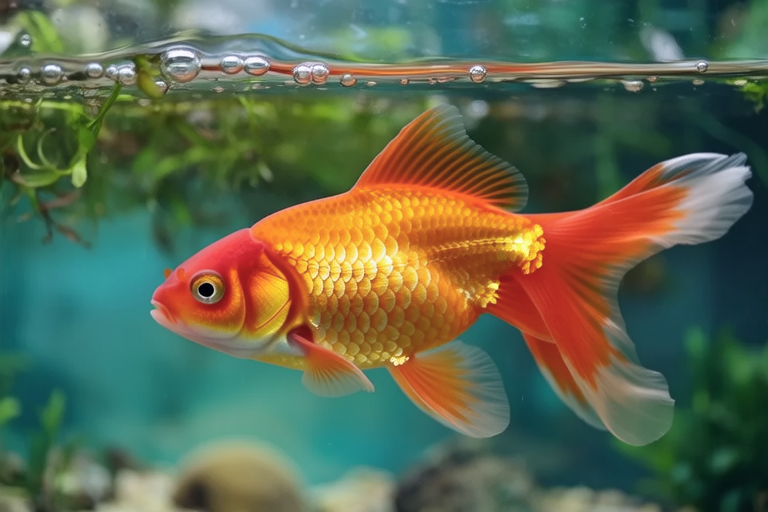
Goldfish Care: Myths vs. Reality – What Every Owner Should Know
Welcome to the world of goldfish care! These charming creatures have captivated aquarium enthusiasts for centuries. However, there are numerous misconceptions surrounding their care that can lead to misunderstandings and improper treatment. This comprehensive guide aims to debunk common myths and present the realities of goldfish care, offering valuable insights for both novice and seasoned owners.
Debunking Common Myths About Goldfish Care
Myth 1: Goldfish Have a Short Lifespan
One of the most prevalent myths about goldfish is that they only live a couple of years. In reality, goldfish can live significantly longer under optimal conditions. With proper care, including appropriate nutrition, water quality, and living space, goldfish can thrive for up to 20 years or more. The longest-living goldfish on record reached an impressive age of 41 years!
Myth 2: Goldfish Can Thrive in Small Bowls
Another misconception is that goldfish can be comfortably housed in small bowls. Unfortunately, this belief can lead to severe health problems for the fish. Goldfish produce substantial amounts of waste, which can quickly foul the water in a small container, leading to stress and disease. It’s crucial to provide ample space for your goldfish to swim and ensure they have enough room to grow. A general rule of thumb is that each goldfish requires at least 20 gallons of water.
Myth 3: Goldfish Don’t Need a Filter
Many people mistakenly believe that goldfish don’t require filtration systems because they are hardy and can tolerate less-than-perfect water conditions. While goldfish are indeed resilient, they still need clean water to stay healthy. Filters help maintain water quality by removing harmful substances like ammonia and nitrite, ensuring a safer environment for your fish.
Myth 4: Goldfish Only Eat Fish Food
It’s commonly thought that goldfish exclusively eat commercial fish food. In reality, these omnivorous creatures benefit from a varied diet that includes vegetables, fruits, and occasional treats like bloodworms or brine shrimp. Offering a balanced diet promotes better health and helps prevent obesity, a common issue among goldfish.
The Realities of Goldfish Care
Proper Diet
Feeding your goldfish a nutritious diet is essential for their overall health and longevity. Commercial goldfish food forms the foundation of their diet, but it’s beneficial to supplement with fresh vegetables like spinach, peas, and zucchini. Avoid overfeeding, as excess food can degrade water quality. A good guideline is to feed your goldfish twice daily, giving them only what they can consume within two minutes.
Water Quality Maintenance
Maintaining excellent water quality is paramount for the well-being of your goldfish. Regular partial water changes (about 20-30% weekly) help remove toxins and replenish essential minerals. Use a reliable water testing kit to monitor parameters such as pH, ammonia, nitrite, and nitrate levels. Keeping these within safe ranges ensures a healthy aquatic environment for your fish.
Suitable Tank Conditions
Adequate tank conditions go beyond just providing sufficient space; they include proper filtration, adequate oxygenation, and appropriate temperature regulation. Goldfish prefer cooler temperatures between 68-74°F (20-23°C). Install a filter capable of handling several times the volume of your tank per hour to ensure efficient biological, mechanical, and chemical filtration. Additionally, consider adding an air pump or powerhead to enhance oxygen circulation.
Tips for New Owners
If you’re new to goldfish ownership, here are some practical tips to get you started:
- Research Before Purchasing: Learn about different goldfish varieties and their specific needs before making a purchase.
- Invest in Proper Equipment: Ensure you have all necessary equipment, including a suitable tank, filtration system, heater, thermometer, and test kits.
- Gradual Acclimation: When introducing your goldfish to its new home, allow them to acclimate slowly by floating the bag in the tank for 15-20 minutes before releasing them.
- Monitor Water Parameters: Regularly check water parameters and make adjustments as needed to maintain ideal conditions.
Common Health Issues and Solutions
Frequent Health Problems
Like any pet, goldfish can experience various health issues. Some common problems include fin rot, swim bladder disorder, and ich (white spot disease). Early detection and prompt treatment are crucial for successful recovery.
Fin Rot
Fin rot manifests as frayed, discolored, or decaying fins. It’s often caused by poor water quality or bacterial infections. To treat fin rot, improve water conditions, perform frequent water changes, and consider using an antibiotic medication specifically designed for fish.
Swim Bladder Disorder
Swim bladder disorder affects a goldfish’s ability to control its buoyancy, causing it to float upside down or struggle to swim properly. Overfeeding and constipation are frequent culprits. Prevent swim bladder disorder by feeding your fish a balanced diet and avoiding excessive feeding. If symptoms persist, consult a veterinarian specializing in fish.
Ich
Ich, also known as white spot disease, appears as tiny white spots on the body and fins. It’s typically caused by protozoan parasites. Treatment involves raising the water temperature slightly (up to 82°F/28°C) and adding a medication effective against ich. Quarantine newly acquired fish to prevent introducing parasites to your main tank.
Conclusion
Caring for goldfish requires dedication and attention to detail. By understanding the realities of goldfish care and dispelling common myths, you can provide your fish with a thriving environment. Remember to prioritize proper diet, water quality maintenance, and suitable tank conditions. Stay vigilant about potential health issues and seek professional advice when necessary. With the right knowledge and care, your goldfish will reward you with years of companionship and enjoyment.
