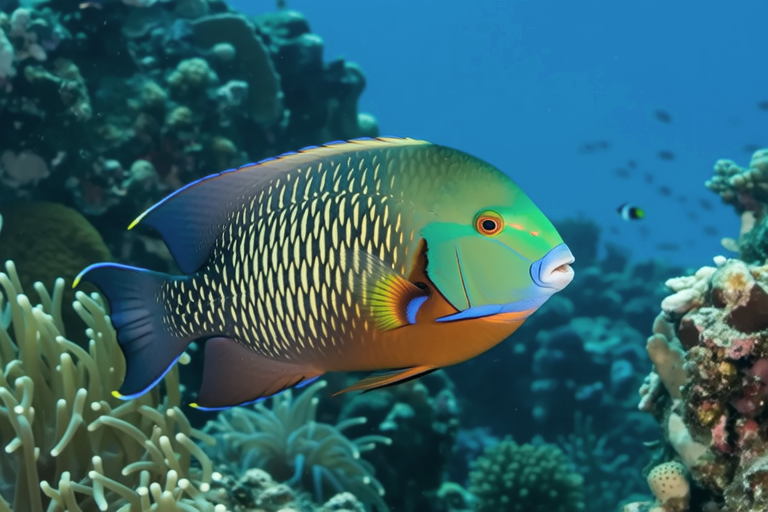
Parrot Fish: A Dive into Colorful Marine Life
The world of marine life is vast and diverse, with countless species each contributing uniquely to the health and balance of our oceans. Among these, parrot fish stand out as particularly fascinating due to their vibrant colors, unique behaviors, and critical roles within coral reef ecosystems. This article explores the lesser-known aspects of parrot fish, including their habitats, feeding habits, reproductive strategies, and their importance for marine conservation.
Vibrant Colors and Unique Behaviors
Parrot fish are known for their striking and varied coloration, which can range from bright blues and greens to vivid oranges and reds. These colors serve multiple purposes, including camouflage, communication, and attracting mates. Their vibrant hues often change throughout their lives, especially during mating season when they become more colorful to attract potential partners. The male parrot fish, in particular, undergoes a transformation called ‘sex reversal’, where a female can turn into a dominant male, signaling changes in color and behavior.
Habitats and Feeding Habits
Parrot fish inhabit tropical and subtropical waters, primarily around coral reefs, seagrass beds, and rocky areas. They are diurnal creatures, meaning they are most active during the day. Their diet consists mainly of algae and other plant matter found on coral reefs. Using their beak-like mouths, they scrape algae off rocks and coral, consuming both the algae and the underlying limestone. This process is crucial for maintaining the health of coral reefs, as it helps control algal growth and contributes to the recycling of nutrients.
Role in Coral Reef Ecosystems
The feeding habits of parrot fish have a significant impact on the health of coral reefs. By grazing on algae, they prevent overgrowth that could smother corals. Additionally, their digestion process turns the limestone they consume into sand, contributing to the formation of beaches and protecting coastlines from erosion. Without parrot fish, coral reefs would likely face greater challenges in maintaining their delicate balance.
Reproductive Strategies
Parrot fish reproduce through a method known as broadcast spawning, where females release eggs and males release sperm into the water column simultaneously. This increases the chances of fertilization and genetic diversity among offspring. Interestingly, some species of parrot fish also engage in ‘lekking’, where males gather in specific areas to perform elaborate courtship displays, hoping to attract females.
Myths Surrounding Parrot Fish
One common myth about parrot fish is that they sleep with their eyes open. While this is true for many fish species, it is not specific to parrot fish. Another misconception is that they are aggressive towards humans. In reality, parrot fish are generally non-aggressive and will swim away if approached too closely by divers or snorkelers.
Scientific Insights: Communication and Defense Mechanisms
Parrot fish communicate through various means, including body language and sounds. Some species produce grunting or clicking noises, which may serve as warnings or mating calls. They also use visual signals, such as changing colors, to convey messages to other members of their species. When threatened, parrot fish can quickly change color and hide in crevices or among coral branches to avoid predators.
Interactions Within Their Marine Environment
Parrot fish play a vital role in their marine environment by interacting with other species in complex ways. For example, they compete with other herbivorous fish for food but also contribute to the overall health of the ecosystem by controlling algal growth. Their interactions with other species highlight the interconnectedness of marine life and the importance of preserving biodiversity.
Importance for Marine Conservation Efforts
Understanding the unique behaviors, habitats, and ecological roles of parrot fish is crucial for marine conservation efforts. As coral reefs face increasing threats from climate change, pollution, and overfishing, protecting parrot fish populations becomes essential. By studying their interactions within the ecosystem, researchers can develop more effective conservation strategies that benefit not only parrot fish but also the broader marine environment.
Conclusion
Parrot fish are more than just colorful additions to the underwater world; they are integral to the health and survival of coral reefs. Their vibrant colors, unique behaviors, and critical roles within their marine environment make them fascinating subjects of study. By learning more about these remarkable creatures, we can better understand the complexities of marine ecosystems and work towards their preservation.
