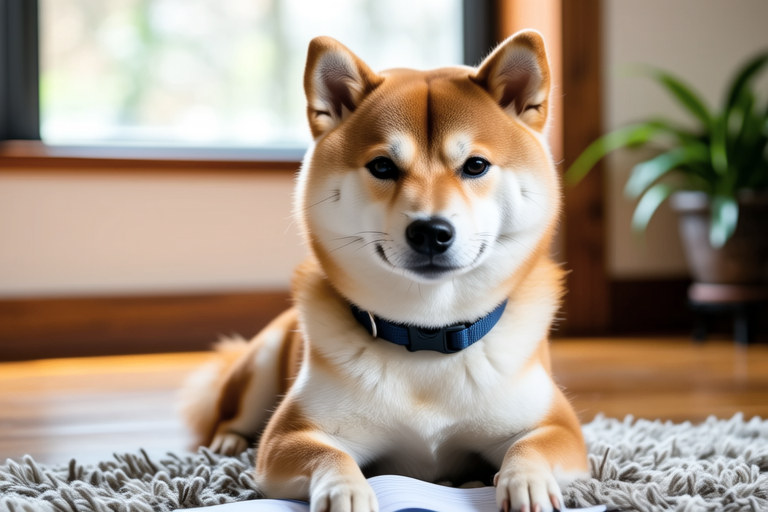
The Ultimate Guide to Training Your Spirited Shiba Inu at Home
Understanding the Shiba Inu’s Unique Temperament
The Shiba Inu is a breed known for its independent spirit and strong-willed nature. Originating from Japan, these dogs are small but sturdy, with an alert and confident demeanor. Their history as hunting dogs means they possess a high level of intelligence and a natural instinct to hunt and chase. Understanding these traits is crucial for effective training.
Shibas can be aloof with strangers but are fiercely loyal to their families. They are often described as cat-like in their behavior, with a preference for cleanliness and independence. This unique blend of traits makes them both challenging and rewarding companions. Recognizing their inherent qualities will help you tailor your approach to training.
Essential Basic Training Commands
Teaching your Shiba Inu basic commands is the foundation of any successful training routine. Start with simple commands that are easy to learn and gradually move on to more complex ones.
- Basic Commands: Begin with ‘sit,’ ‘stay,’ ‘come,’ and ‘down.’ These commands are fundamental and will serve as building blocks for more advanced training.
- Consistency: Use the same command words each time to avoid confusion. For example, always say ‘sit’ instead of sometimes saying ‘sit down.’
- Positive Reinforcement: Reward your Shiba Inu with treats or praise when they follow a command correctly. This encourages good behavior and strengthens the bond between you and your dog.
Real-life Example: Sarah’s Shiba Inu, Kuma, initially refused to sit on command. By consistently offering a treat each time Kuma sat, Sarah was able to teach Kuma this important skill within a week.
Effective Positive Reinforcement Techniques
Positive reinforcement is key to training a Shiba Inu effectively. It involves rewarding desirable behaviors rather than punishing unwanted ones. This method builds trust and ensures that your Shiba Inu enjoys the training process.
- Treats: Use small, tasty treats that your Shiba Inu loves. Make sure the treats are not too large, so they don’t fill up quickly and lose interest.
- Praise: Verbal encouragement and affectionate gestures like pats and hugs are also powerful motivators. Shibas thrive on attention and approval from their owners.
- Timing: The timing of rewards is crucial. Reward your Shiba Inu immediately after they perform the desired action to ensure they associate the reward with the correct behavior.
Real-life Example: Mike noticed his Shiba Inu, Hana, would bark excessively at visitors. By giving Hana a treat and praising her for remaining calm when guests arrived, Mike successfully reduced her barking over several weeks.
Managing Their High Energy Levels
Shibas are full of energy and require regular exercise to stay healthy and happy. Managing their energy levels is essential for preventing destructive behavior and ensuring they remain well-behaved.
- Exercise: Daily walks, runs, and play sessions are necessary to keep your Shiba Inu physically fit. Consider activities like agility courses or fetch games to engage both body and mind.
- Mental Stimulation: Puzzle toys and interactive games can help channel excess energy into productive outlets. This keeps your Shiba Inu mentally stimulated and less likely to engage in unwanted behaviors.
- Patience: Be patient during training sessions. High-energy Shibas may tire easily, so short, frequent sessions are often more effective than long, drawn-out ones.
Real-life Example: After noticing her Shiba Inu, Nami, becoming increasingly restless, Emily introduced daily hikes and interactive playtime. This not only improved Nami’s behavior but also strengthened their bond.
Addressing Common Behavioral Issues
Despite their intelligence, Shibas can exhibit challenging behaviors. Addressing these issues promptly and effectively is crucial for maintaining a harmonious home environment.
- Barking: Shibas are known for their vocal tendencies. Teach your Shiba Inu to ‘quiet’ by offering a treat or praise when they stop barking on command. Gradually increase the duration between treats to reinforce the behavior.
- Destructive Chewing: Provide appropriate chew toys and supervise your Shiba Inu closely. Redirect chewing on inappropriate items to approved toys by offering a treat or praise when they choose the right toy.
- Jumping: Ignore jumping attempts and wait for your Shiba Inu to sit before offering attention. This teaches them that sitting earns rewards, discouraging jumping behavior.
Real-life Example: John’s Shiba Inu, Taro, had a habit of jumping on visitors. By teaching Taro to sit and waiting until he did so before greeting guests, John successfully curbed this behavior.
Maintaining Consistency in Training Routines
Consistency is vital in training your Shiba Inu. Establishing clear expectations and rules ensures that your dog understands what is expected of them. Here are some tips to maintain consistency:
- Set Rules: Define house rules and stick to them. For example, decide whether your Shiba Inu is allowed on furniture and enforce this rule consistently.
- Family Involvement: Ensure all family members participate in training. Consistent enforcement of rules by everyone helps prevent confusion for your Shiba Inu.
- Review and Adjust: Regularly review your training methods and make adjustments as needed. What works for one Shiba Inu may not work for another, so be flexible and open to change.
Real-life Example: Lisa and her husband had different approaches to training their Shiba Inu, Luna. By discussing and agreeing on consistent training methods, they were able to establish a clear set of rules for Luna, making her training more effective.
