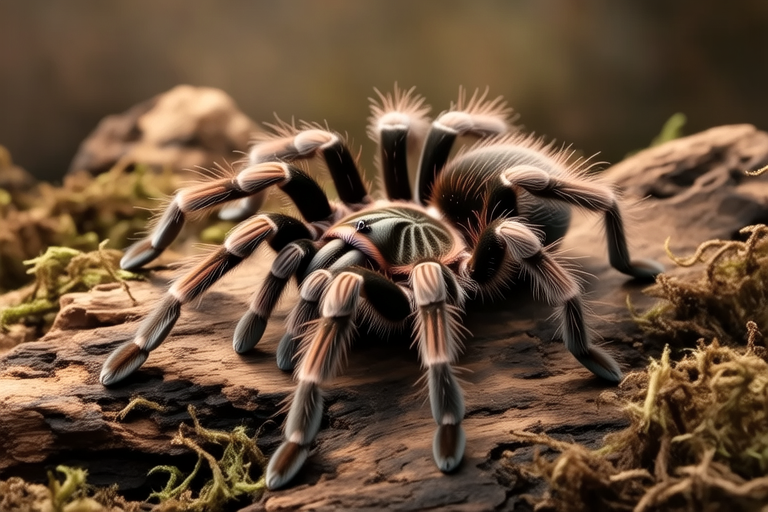
Caring for Your Chilean Rose Tarantula: Tips and Tricks from Expert Owners
Welcome to the world of tarantula ownership! If you’re considering adopting a Chilean rose tarantula, also known as Grammostola rosea, you’ve chosen one of the most popular and beginner-friendly species. These spiders are relatively small, docile, and easy to care for, making them ideal for first-time arachnids owners. This article will guide you through the essentials of caring for your Chilean rose tarantula, offering tips and tricks from expert owners.
Habitat Setup
Creating the right environment for your Chilean rose tarantula is crucial for its well-being. Start by selecting an appropriately sized enclosure, usually around 10 gallons for adults. Ensure the tank has a secure lid to prevent escapes and includes ventilation holes for proper air circulation. A substrate layer of coconut fiber or eco-earth is ideal, providing a natural, absorbent bedding that retains moisture without becoming too damp.
Inside the enclosure, add hiding spots like cork bark or half logs. These shelters mimic the burrows your tarantula would naturally inhabit, offering security and reducing stress. Additionally, include a water dish, but avoid overly deep ones that could pose drowning risks. Regularly check and clean the water dish to ensure it remains fresh and hygienic.
Temperature and Humidity Requirements
Maintaining the correct temperature and humidity levels within the enclosure is vital for your tarantula’s health. Aim for a temperature range between 78°F and 85°F (26°C to 29°C), which can be achieved using under-tank heating pads or heat lamps. Place the heat source at one end of the enclosure to create a temperature gradient, allowing your tarantula to regulate its body temperature.
The humidity level should remain between 50% and 70%. This can be maintained by misting the substrate occasionally and ensuring there’s a water dish available. However, avoid over-misting, as excessive moisture can lead to mold growth and respiratory issues. Monitoring these conditions with a thermometer and hygrometer ensures optimal living conditions for your pet.
Feeding Habits
Chilean rose tarantulas have relatively simple dietary needs. In the wild, they primarily feed on insects like crickets, grasshoppers, and mealworms. As pets, you can offer them a variety of appropriately sized feeder insects, such as dubia roaches or superworms. Feed your tarantula once every week or two, depending on its size and activity level. Always remove uneaten prey after 24 hours to prevent contamination.
When introducing food, gently place it near your tarantula’s shelter or directly into the enclosure. Some tarantulas may take time to notice new prey, so patience is key. Avoid overfeeding, as obesity can lead to health problems. Remember to dust feeder insects with calcium and vitamin supplements before offering them to your tarantula to ensure it receives adequate nutrition.
Handling Tips
While Chilean rose tarantulas are generally docile, handling should be approached with caution and respect. Always wash your hands before and after interacting with your pet to prevent the transfer of oils or harmful substances. Use a long-handled tool or tongs to gently coax your tarantula out of its hiding spot, allowing it to walk onto your hand or tool under its own power.
Avoid sudden movements or rapid handling, as this can stress your tarantula. Allow it to acclimate to your presence gradually, and always handle with care. While occasional handling can be beneficial for bonding and exercise, it’s important to limit handling sessions to a few minutes at most. Over-handling can cause stress and potentially harm your pet.
Health Concerns
Like any pet, tarantulas can experience health issues. Common signs of illness include lethargy, loss of appetite, unusual behavior, or visible injuries. Regular observation allows you to catch potential problems early. One common issue is molting difficulties, where the tarantula struggles to shed its exoskeleton. During molting, avoid disturbing your pet and ensure it has access to fresh water.
If your tarantula shows signs of distress during molting, consult an expert or veterinarian specializing in exotic animals. Another concern is mite infestations, which can spread quickly if not addressed promptly. Regular cleaning of the enclosure and maintaining proper hygiene can help prevent such issues. If you suspect a mite problem, isolate your tarantula and seek professional advice.
Common Myths About Chilean Rose Tarantulas
There are several misconceptions surrounding Chilean rose tarantulas that can deter potential owners. One prevalent myth is that they are aggressive and dangerous. In reality, these tarantulas are quite docile and rarely bite unless provoked. Their venom is mild, comparable to a bee sting, and poses no significant threat to humans.
Another misconception is that tarantulas require elaborate setups with multiple plants and decorations. While a well-decorated enclosure can enhance aesthetics, simplicity is often best for the tarantula’s comfort and ease of maintenance. Finally, some believe that tarantulas need constant interaction and handling. In truth, these creatures prefer solitude and minimal disturbance. Providing a secure, comfortable environment is more beneficial than frequent handling.
Expert Advice and Personal Experiences
John, an experienced tarantula owner, shares his insights: “The key to successful tarantula care is consistency. Regular monitoring of temperature and humidity, along with routine cleaning, goes a long way in keeping your pet healthy.” Sarah, another seasoned keeper, emphasizes the importance of patience: “Tarantulas may seem inactive, but they’re very sensitive creatures. Give them time to adjust to their environment, and you’ll enjoy a rewarding relationship.”
Many owners find that providing enrichment activities, such as offering different types of hiding spots or rearranging the enclosure periodically, helps stimulate their tarantulas mentally. This can lead to increased activity and a healthier overall demeanor. Always research and consult experts when considering new techniques or products for your tarantula’s care.
Conclusion
Owning a Chilean rose tarantula can be a fascinating and rewarding experience. By following these tips and tricks from expert owners, you’ll be well-equipped to provide a loving, safe home for your pet. Remember, each tarantula is unique, so pay close attention to your individual pet’s preferences and needs. With dedication and care, you’ll form a special bond with your Chilean rose tarantula and enjoy years of companionship.
