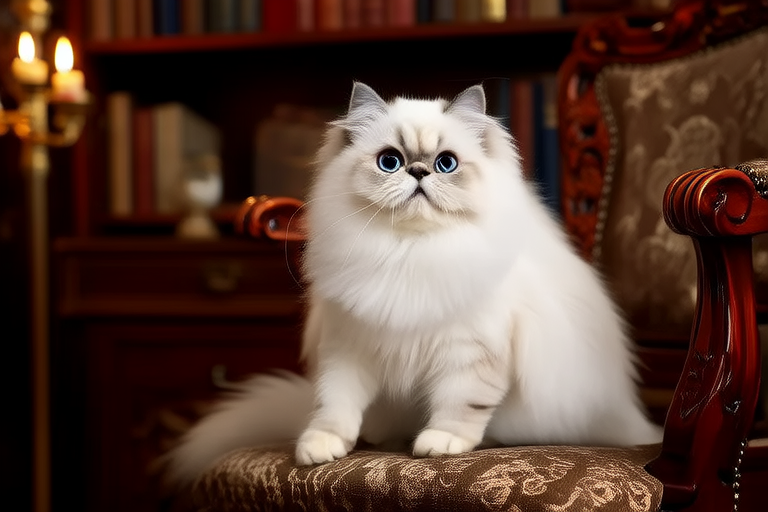
The History and Evolution of Persian Cats
Persian cats, known for their luxurious coats and gentle demeanor, have a rich and fascinating history that spans centuries. Originating from the royal palaces of Persia (modern-day Iran), these felines have evolved from being exclusive companions of nobility to becoming beloved pets in modern homes. This article delves into the history and evolution of Persian cats, exploring their physical traits, temperament, grooming needs, health considerations, and their roles in literature and popular culture. Additionally, it examines how breeding practices have influenced the breed’s development and provides advice for potential owners.
Origins and Early History
The origins of Persian cats can be traced back to ancient Persia, where they were kept as prized possessions by the Persian aristocracy. These early cats were likely descendants of the Asian wildcat (Felis silvestris ornata) and were valued for their beauty and grace. Persian cats were often depicted in Persian art, showcasing their elegant appearance and regal presence. Over time, these cats found their way into the royal courts of neighboring countries, including Turkey and Egypt, further cementing their status as symbols of luxury and refinement.
During the reign of Queen Mary I of England (1553-1558), Persian cats gained prominence in Europe. The queen was particularly fond of these long-haired beauties and kept several of them at her court. This marked the beginning of Persian cats’ popularity among European royalty and aristocracy. As trade routes expanded and diplomatic relations flourished, Persian cats became increasingly accessible to the upper classes across Europe, further enhancing their reputation as exotic and desirable pets.
Physical Traits and Temperament
Persian cats are renowned for their distinctive physical features, which include a round head, large expressive eyes, and a short, broad nose. Their coat is dense, silky, and typically comes in a wide variety of colors and patterns, including solid colors, bi-colors, tabby patterns, and colorpoints. The most common coat length is medium-long, but some Persians may have shorter coats due to genetic variations. The breed’s coat is often described as plush and luxurious, requiring regular grooming to maintain its luster and prevent matting.
In terms of temperament, Persian cats are generally calm, affectionate, and docile. They tend to be less active than other breeds, preferring to spend their days lounging on comfortable surfaces or engaging in gentle play. Persian cats are known for their sweet dispositions and their ability to form strong bonds with their human companions. They are often described as “lap cats” due to their preference for close contact and companionship. However, while they are affectionate, Persian cats are also independent and can be selective about who they choose to interact with.
Grooming Needs and Health Considerations
Due to their long, dense coats, Persian cats require extensive grooming to keep their fur healthy and free from mats. Daily brushing is recommended to prevent tangles and remove loose hair, as well as to distribute natural oils throughout the coat. Regular bathing is also necessary, especially for cats with darker coats, to keep their skin and coat in optimal condition. Additionally, Persian cats should have their nails trimmed regularly and their ears cleaned to prevent infections.
Despite their luxurious appearance, Persian cats are prone to certain health issues, particularly those related to their respiratory system and urinary tract. Their flat faces, a result of selective breeding, can lead to breathing difficulties, especially during hot weather or periods of exertion. Persian cats are also more susceptible to urinary tract infections and blockages due to their genetic predisposition to polycystic kidney disease. Regular veterinary check-ups and proper care can help mitigate these risks and ensure a longer, healthier life for these beautiful creatures.
Breeding Practices and Development
The development of the Persian cat breed has been significantly influenced by breeding practices over the years. Initially, breeders focused on maintaining the breed’s distinct physical characteristics, such as its long, flowing coat and round head. However, over time, there has been a shift towards producing cats with even more exaggerated features, including an even flatter face and larger eyes. This has led to concerns about the health and welfare of the breed, as extreme facial flattening can cause breathing difficulties and other health issues.
To address these concerns, some breeders have begun to focus on producing Persian cats with healthier, more moderate facial structures. These efforts aim to preserve the breed’s unique appearance while reducing the risk of health problems associated with excessive facial flattening. Additionally, breeders have introduced new coat colors and patterns, expanding the range of options available to prospective owners. This ongoing evolution reflects the dynamic nature of the Persian cat breed and the continuous efforts of dedicated breeders to improve the breed’s overall quality.
Notable Persian Cats in Literature and Popular Culture
Persian cats have made numerous appearances in literature and popular culture, often symbolizing elegance, mystery, and sophistication. In Lewis Carroll’s classic novel Alice’s Adventures in Wonderland, the Cheshire Cat, with its distinctive grin and mischievous nature, is believed to have been inspired by Persian cats. While not explicitly mentioned as a Persian, the Cheshire Cat’s enigmatic personality and graceful movements reflect the breed’s characteristics.
Persian cats have also appeared in various films and television shows, adding to their cultural significance. For example, in the animated film The Aristocats, Duchess, a sleek and regal cat, is portrayed as a Persian. Her refined demeanor and elegant appearance perfectly capture the essence of the breed. Similarly, in the popular TV series That ’70s Show, the character Red Forman owned a Persian cat named Choo-Choo, further cementing the breed’s place in popular culture.
Why Persian Cats Remain Popular
Despite the challenges associated with maintaining a Persian cat’s coat and addressing potential health issues, these felines remain a beloved choice for many contemporary pet owners. Their gentle, affectionate nature and striking appearance make them ideal companions for individuals seeking a low-maintenance yet rewarding pet experience. Additionally, the bond formed between a Persian cat and its owner can be incredibly deep and fulfilling, offering emotional support and companionship.
Furthermore, the Persian cat’s enduring popularity can be attributed to its timeless appeal and the breed’s ability to adapt to modern living environments. With advancements in veterinary medicine and grooming techniques, the challenges associated with owning a Persian cat have become more manageable, making it easier for potential owners to enjoy the benefits of having one of these majestic felines as part of their family.
Advice for Potential Owners
If you’re considering adopting a Persian cat, it’s important to be prepared for the commitment involved in caring for this beautiful breed. Here are some tips to help you get started:
- Grooming: Be prepared to dedicate significant time to grooming your Persian cat. Daily brushing and occasional baths will help keep their coat healthy and prevent matting.
- Veterinary Care: Schedule regular veterinary check-ups to monitor your cat’s health and address any potential issues early on. Pay special attention to respiratory and urinary tract health.
- Environmental Enrichment: Provide your Persian cat with comfortable resting spots and engage them in gentle play to keep them mentally and physically stimulated.
- Patience: Remember that Persian cats are known for their independent nature. Be patient and allow your cat to adjust to its new environment at its own pace.
Owning a Persian cat can be a rewarding experience, but it requires dedication and commitment. By following these guidelines and providing your cat with the care it needs, you can enjoy a long and loving relationship with one of these magnificent felines.
