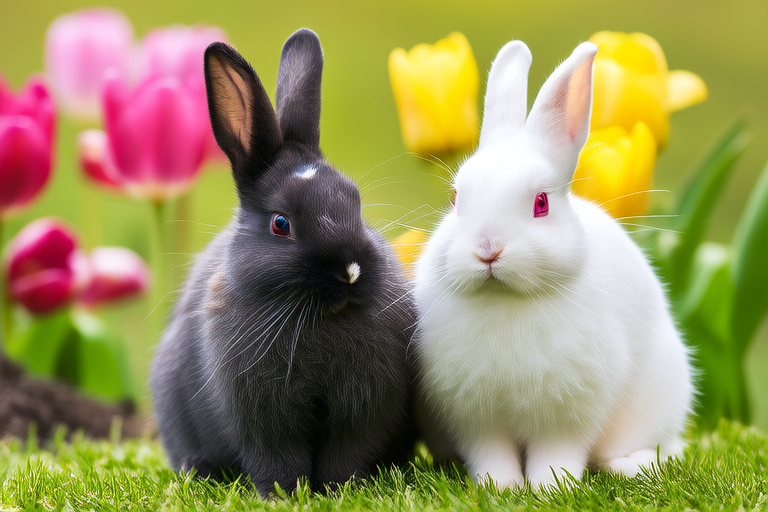
Dutch Dwarf Rabbits: From Backyard Pet to Social Media Sensation
Introduction
Once a cherished companion in backyards across the world, the Dutch Dwarf rabbit has emerged as a social media sensation, captivating hearts with its charm and unique appearance. This article explores the history, characteristics, and the journey of the Dutch Dwarf rabbit from a backyard pet to a viral internet star.
The Origins of Dutch Dwarf Rabbits
The Dutch Dwarf rabbit hails from the Netherlands, where it was developed by crossing the Netherland Dwarf with other breeds like the Dutch rabbit. The goal was to create a smaller version of the Dutch rabbit, retaining its distinctive markings but with a more compact size. The breed was recognized by the American Rabbit Breeders Association (ARBA) in 1968, marking its official entry into the world of rabbit breeding.
Physical Traits
One of the most striking features of the Dutch Dwarf rabbit is its compact size, typically weighing between 1.5 to 2.5 pounds. Their bodies are stocky and well-rounded, giving them a robust appearance. They have short, dense fur that can come in various colors, including black, blue, chocolate, and white. A defining characteristic is the presence of a white blaze that extends from the nose to the forehead, contrasting sharply with their dark-colored eyes.
Temperament and Personality
Dutch Dwarf rabbits are known for their friendly and affectionate nature, making them ideal companions for families. They are highly social animals that thrive on interaction and enjoy being handled gently. These rabbits are also intelligent and can be trained to perform simple tricks, such as coming when called or using a litter box. Their playful demeanor and curiosity often lead them to explore their surroundings, making them entertaining pets.
Transition to Social Media Sensation
The rise of social media platforms has played a significant role in elevating the Dutch Dwarf rabbit’s status from backyard pet to internet sensation. Influencers and content creators have capitalized on the breed’s cute and photogenic qualities, sharing videos and photos that showcase their antics and interactions with their human companions. Hashtags like #DutchDwarfRabbits and #PetRabbitLife have gained traction, creating communities where enthusiasts share experiences and advice.
Influencers such as @RabbitRescue and @TinyTales have been instrumental in promoting the breed’s appeal. Their posts often highlight the gentle nature and intelligence of Dutch Dwarfs, dispelling myths about rabbits as low-maintenance pets. Additionally, viral challenges and trends featuring Dutch Dwarfs, like the “rabbit yoga” trend, have further increased their visibility online.
Tips for Potential Owners
Considering adopting a Dutch Dwarf rabbit? Here are some essential tips to ensure your new pet thrives:
- Proper Housing: Provide a spacious cage or enclosure that allows for ample movement and includes areas for sleeping, eating, and playing. A solid surface floor is preferable to wire flooring to prevent injury.
- Diet: Feed a balanced diet comprising hay, fresh vegetables, and commercial pellets designed for small rabbits. Avoid feeding excessive amounts of fruits due to their high sugar content.
- Grooming: Regular brushing helps maintain the rabbit’s coat and prevents matting. Use a soft-bristled brush and be gentle around the face and ears.
- Exercise: Allow your Dutch Dwarf rabbit time outside its enclosure daily for exercise and mental stimulation. Supervised playtime in a safe, rabbit-proofed area is ideal.
- Veterinary Care: Schedule regular check-ups with a veterinarian experienced in rabbit care. Vaccinations and routine health screenings are crucial for maintaining your pet’s well-being.
Common Misconceptions About Small Rabbit Breeds
Despite their popularity, there are several misconceptions surrounding small rabbit breeds like the Dutch Dwarf. One common myth is that they require less attention than larger breeds. In reality, all rabbits, regardless of size, need proper care, social interaction, and mental stimulation to thrive.
Another misconception is that small rabbits are easier to handle. While their size may make them appear more manageable, they still have strong hind legs and can jump unexpectedly. Proper handling techniques are essential to avoid injury to both the handler and the rabbit.
Conclusion
The Dutch Dwarf rabbit has come a long way from its origins in the Netherlands to becoming a beloved pet and social media sensation. With their charming appearance, friendly temperament, and playful nature, these rabbits offer companionship and joy to many households. By understanding their needs and providing appropriate care, owners can ensure their Dutch Dwarf rabbits live happy, healthy lives.
