Leopard Gecko Care: Everything You Need to Know Before Adopting
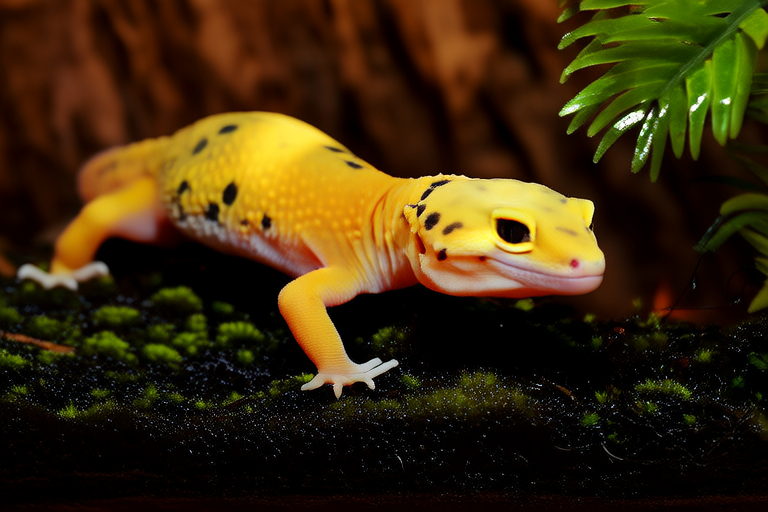
Welcome to the fascinating world of leopard geckos! These small, docile reptiles make wonderful pets for both beginners and experienced herpetologists. Before you decide to adopt one, it’s important to understand the commitment involved and the specific needs of these charming creatures. This guide will cover everything from setting up their habitat to ensuring they receive proper nutrition and healthcare.
Habitat Setup
Creating an optimal environment for your leopard gecko is crucial for their well-being. Here’s what you need to know about temperature, substrate, and hide spots:
Temperature
Leopard geckos require a temperature gradient within their enclosure to regulate their body heat. The warm end should be around 90°F (32°C) while the cool end can be around 75°F (24°C). Use a reliable thermostat and thermometer to monitor temperatures accurately. Heat mats or ceramic heaters can help maintain the correct warmth without drying out the enclosure.
Substrate
The choice of substrate is important as it affects your gecko’s health. Avoid substrates like sand or gravel which can cause impaction if ingested. Instead, opt for paper towels, reptile carpet, or eco-friendly bedding such as coconut fiber or aspen shavings. These materials are safer and easier to clean.
Hide Spots
Leopard geckos need hiding places to feel secure. Provide multiple hides, especially near both the warm and cool ends of the tank. These can be made from plastic containers with entrance holes or commercial reptile caves. Ensure that the hides are large enough for your gecko to fit comfortably but small enough to provide a sense of security.
Diet and Nutrition
Feeding your leopard gecko correctly is vital for their growth and health. Leopard geckos are insectivores and thrive on a diet rich in calcium and other nutrients:
What to Feed
Offer your gecko a variety of insects such as crickets, mealworms, waxworms, and dubia roaches. Crickets should make up the majority of their diet, supplemented with other insects for variety. Dust the insects with a calcium supplement at least twice a week and occasionally add a multivitamin supplement.
How Much and How Often
Feed adult geckos every other day, offering as many insects as they can eat in about 15 minutes. Juveniles may require daily feeding due to their rapid growth. Always remove uneaten insects after feeding to prevent them from biting your gecko.
Health Concerns
Like any pet, leopard geckos can face health issues. Being aware of common problems and knowing how to prevent them is key to maintaining your gecko’s health:
Common Health Issues
Metabolic bone disease (MBD) is a serious condition caused by calcium deficiency. Signs include lethargy, swollen limbs, and difficulty moving. To prevent MBD, ensure your gecko has access to a balanced diet with adequate calcium supplementation.
Impaction occurs when a gecko ingests substrate, leading to blockages in the digestive tract. Prevent this by choosing safe substrates and providing plenty of water to encourage proper digestion.
Preventative Measures
Regular veterinary check-ups are recommended to catch any health issues early. Keep the enclosure clean and monitor your gecko’s behavior and appetite closely. Quarantine any new additions to your collection for several weeks to prevent introducing diseases.
Handling Tips
Proper handling techniques are important to ensure both your safety and your gecko’s comfort:
How to Handle
Always wash your hands before and after handling your gecko. Support their entire body when holding them, avoiding sudden movements that might startle them. Gently scoop them up from below rather than grabbing from above.
When Not to Handle
Avoid handling your gecko during shedding, after eating, or when they appear stressed or tired. Give them time to adjust to their new home before frequent handling.
The Commitment Required for Ownership
Owning a leopard gecko involves a significant commitment. Consider the following factors before adopting:
Time Commitment
While leopard geckos don’t require constant attention, they do need regular feeding, cleaning, and monitoring of their health. Spend some time each day observing your gecko and ensuring their habitat remains clean and suitable.
Financial Commitment
Setting up a proper habitat can be costly initially, including the enclosure, heating equipment, substrate, and food. Additionally, regular veterinary care and supplies add to ongoing costs. Budget accordingly to avoid financial strain.
Emotional Commitment
Leopard geckos can live up to 20 years, so adopting one means making a long-term commitment. Be prepared for the emotional bond that can develop over time and the responsibility that comes with caring for a pet for decades.
Conclusion
Adopting a leopard gecko is a rewarding experience for those willing to meet their unique needs. By understanding and addressing their habitat requirements, dietary needs, health concerns, and the commitment involved, you can provide your gecko with a happy and healthy life. With proper care and attention, your leopard gecko will become a beloved member of your household.
