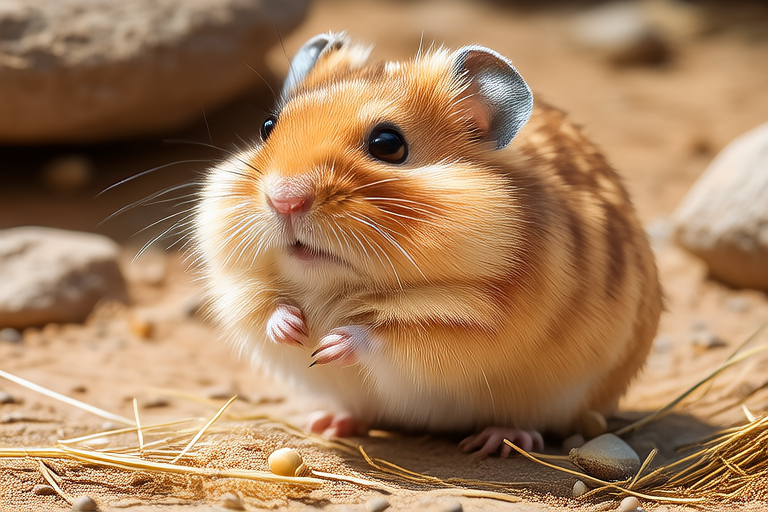
Tiny but Tough: The Ultimate Guide to Roborovski Hamsters
Welcome to the world of Roborovski hamsters! These diminutive creatures pack a surprising amount of personality into their tiny frames, making them a delightful addition to any home. Despite their small size, Roborovskis are known for their toughness and resilience, thriving in environments that might challenge larger rodents. If you’re considering bringing one of these charming pets into your life, this guide will provide all the information you need to ensure your new companion lives a happy and healthy life.
Origins of Roborovski Hamsters
The Roborovski hamster (Phodopus roborovskii) hails from the deserts of Central Asia, including regions of Mongolia and Kazakhstan. They were first discovered by Russian explorer Lt. Vsevolod Roborovski in 1894, and hence, they bear his name. Adapted to harsh, arid conditions, these hamsters have evolved to be highly efficient at conserving water and energy. Their natural habitat features sparse vegetation, rocky outcrops, and sandy terrain, which has shaped their unique behaviors and physical traits.
Ideal Living Conditions
Roborovski hamsters are active and curious by nature, requiring spacious enclosures to explore and play. A cage with a minimum floor area of 3 square feet is recommended for a single hamster, with additional space if housing multiple individuals. The cage should be equipped with secure wire mesh to prevent escapes, as Roborovskis are notorious for their agility. Opt for a multi-level setup to encourage climbing and jumping, mimicking their natural environment. Line the bottom of the cage with an absorbent bedding material like paper-based substrates, avoiding wood shavings which can cause respiratory issues. Regular cleaning and maintenance of the cage are essential to maintain hygiene and reduce the risk of infections.
Dietary Needs
Roborovski hamsters thrive on a diet rich in nutrients, similar to their wild counterparts. Their staple food should consist of high-quality commercial hamster mix, supplemented with fresh vegetables and fruits. Apples, carrots, and leafy greens are excellent choices, but always introduce new foods gradually to avoid digestive upset. It’s important to monitor the quantity of treats, as overfeeding can lead to obesity. Fresh water should be available at all times, ideally through a sipper bottle designed for small animals. Avoid feeding seeds and nuts excessively, as they are high in fat and can lead to weight gain.
Exercise Requirements
Given their high energy levels, Roborovski hamsters require ample opportunities to exercise. In addition to the cage setup, providing a wheel is crucial. Opt for a solid-surface wheel to prevent injuries caused by paws getting caught between rungs. Rotate toys and add new elements periodically to stimulate their curiosity and mental well-being. Consider introducing tunnels, bridges, and chewable items to keep them engaged. Daily observation of their activity can help identify any changes in behavior that might indicate boredom or stress.
Common Health Issues
While generally hardy, Roborovski hamsters can face certain health challenges. Dental problems are common due to their continuously growing teeth, necessitating a diet rich in fibrous materials. Regular checks of their mouth and teeth are advised. Obesity is another concern, especially if the diet is too rich in fats or treats. Signs of illness include lethargy, loss of appetite, and changes in stool consistency. Prompt veterinary attention is crucial if any symptoms arise. Additionally, respiratory infections can occur if the living environment is damp or dirty, underscoring the importance of maintaining a clean and dry habitat.
Tips for Owners
Raising Roborovski hamsters comes with its own set of challenges and joys. To ensure a harmonious relationship:
- Handle with Care: Roborovskis are delicate and may bite if mishandled. Always approach them gently and support their body when holding.
- Social Interaction: While they are solitary by nature, some Roborovskis can coexist peacefully with others. Introducing them slowly and under supervision is key.
- Environmental Enrichment: Provide hiding spots, tunnels, and other enriching toys to satisfy their exploratory instincts.
- Regular Vet Checkups: Schedule routine visits to a veterinarian experienced with small animals to catch potential issues early.
Where to Adopt or Purchase
When considering adopting or purchasing a Roborovski hamster, it’s crucial to prioritize ethical sourcing. Shelters and rescue organizations often have these small creatures available for adoption, offering them a second chance at a loving home. Reputable breeders also provide healthy, well-socialized hamsters. Avoid pet stores or online sellers with questionable practices. Once you’ve chosen your new pet, remember that responsible pet ownership includes providing proper care, regular veterinary check-ups, and a commitment to the hamster’s long-term welfare.
In conclusion, Roborovski hamsters offer a unique and rewarding experience for those willing to meet their specific needs. By understanding their origins, providing ideal living conditions, and addressing their dietary and exercise requirements, you can ensure your Roborovski hamster leads a fulfilling life. Embrace the joy and companionship these tiny but tough creatures bring, and you’ll find yourself captivated by their charm and resilience.
