Unleashing the Mystery: All You Need to Know About Chilean Rose Tarantulas
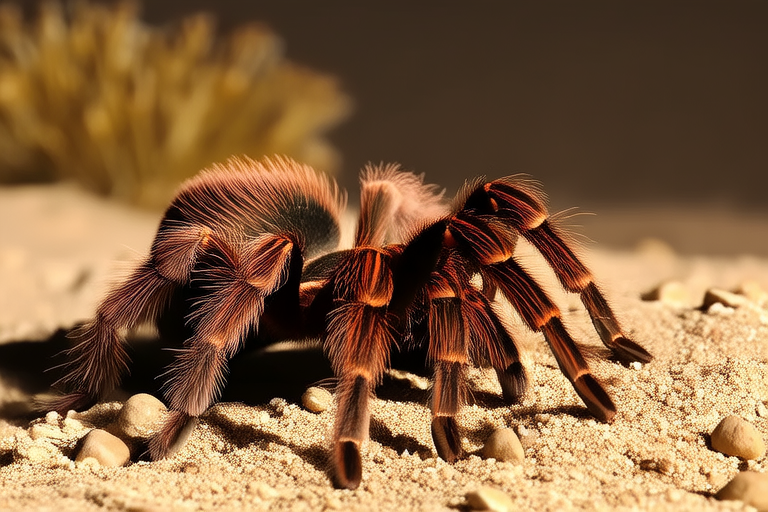
The world of exotic pets is vast and diverse, but few creatures capture the imagination quite like the Chilean rose tarantula (Grammostola rosea). Known for its striking appearance and docile temperament, this species has become a favorite among tarantula enthusiasts. With a body adorned in hues of rose and brown, these spiders are not only visually captivating but also relatively easy to care for, making them a popular choice for both novice and seasoned arachnid owners.
Natural Habitat and Behavior
Native to the deserts and scrublands of South America, specifically regions of Chile, Argentina, and Peru, the Chilean rose tarantula thrives in dry, arid environments. These habitats are characterized by sparse vegetation and rocky terrain, which provide ample hiding spots and protection from predators. In the wild, these spiders are solitary creatures, preferring to live alone except during mating season. They are nocturnal, hunting at night and resting during the day, often found burrowing under rocks or within crevices.
Their behavior is marked by a remarkable adaptability to their surroundings. These tarantulas are adept at digging burrows, where they can retreat to escape the harsh desert conditions. Their ability to dig and create shelters is crucial for their survival, providing them with a safe haven from extreme temperatures and potential threats.
Diet and Feeding Habits
Chilean rose tarantulas are carnivorous, primarily feeding on insects such as crickets, mealworms, and cockroaches. In captivity, they can be fed a variety of commercially available feeder insects. It’s important to ensure that the prey items are appropriately sized, typically no larger than half the size of the spider’s body. The frequency of feeding depends on the age and size of the tarantula; younger individuals may require more frequent feedings compared to mature adults.
Feeding should be done in a manner that mimics their natural hunting behavior. This involves placing the prey item directly into the enclosure, allowing the tarantula to catch it on its own. Overfeeding should be avoided, as it can lead to obesity and other health issues. Additionally, ensuring that the prey items are gut-loaded (fed nutritious food prior to being offered to the tarantula) enhances the nutritional value of each meal.
Care Tips for Pet Owners
Housing
Creating an appropriate living environment is crucial for the well-being of your Chilean rose tarantula. A terrarium with dimensions of at least 10 gallons (for a single adult) provides ample space for the spider to move around and establish a territory. The substrate should be a mix of sand and soil, approximately 3 to 4 inches deep, allowing the spider to dig and create a burrow. Adding rocks, cork bark, or other decorations can enhance the enclosure, offering additional hiding spots and enriching the spider’s environment.
Temperature and humidity levels must be carefully managed. The ideal temperature range for a Chilean rose tarantula is between 75°F and 85°F (24°C to 29°C), with humidity levels maintained at around 60% to 70%. A heat lamp or ceramic heater can be used to achieve the desired temperature, while a water dish provides a source of moisture and helps maintain humidity levels.
Handling
While Chilean rose tarantulas are generally docile, they can be skittish and may react defensively if handled improperly. Always approach your tarantula with caution and respect. When handling is necessary, gently scoop the spider from its enclosure using a soft brush or a foam paint roller. Avoid direct contact with the spider’s body, as this can cause stress and potentially trigger a defensive response. Handling should be kept to a minimum, as these spiders prefer solitude.
Common Myths and Misconceptions
One of the most pervasive myths about tarantulas is that they are highly venomous and dangerous to humans. While it’s true that all tarantulas possess venom, the Chilean rose tarantula’s venom is mild and poses little threat to humans. In fact, their bites are often compared to a bee sting, causing temporary discomfort but rarely serious harm.
Another misconception is that tarantulas are aggressive and prone to attacking. In reality, these spiders are shy and prefer to avoid confrontation. Their primary defense mechanism is to flee or, if cornered, to shed hairs from their abdomen, which can irritate the skin or eyes of a predator. Handling your tarantula with care and providing a secure, comfortable environment will minimize any defensive behaviors.
Conservation Status and Protection Efforts
Despite their widespread popularity in the pet trade, Chilean rose tarantulas face several challenges in the wild. Habitat destruction, climate change, and over-collection for the pet industry have contributed to declines in their populations. Conservation efforts focus on protecting their natural habitats and promoting sustainable practices within the pet trade. Organizations work to educate the public about responsible ownership and encourage the purchase of captive-bred specimens rather than wild-caught ones.
Efforts are also made to raise awareness about the importance of preserving biodiversity and the role these spiders play in their ecosystems. By supporting conservation initiatives and advocating for the ethical treatment of animals, we can help ensure the survival of these fascinating creatures for future generations.
Conclusion
The Chilean rose tarantula is a remarkable species, both in terms of its appearance and behavior. Whether you’re a seasoned arachnid enthusiast or a curious beginner, these spiders offer a unique opportunity to connect with nature and learn about the wonders of the animal kingdom. By understanding their needs and respecting their boundaries, we can provide them with the care and attention they deserve. Together, we can contribute to their conservation and help protect these captivating creatures for years to come.
