The Ultimate Guide to Ensuring Your Hermit Crab Stays Happy and Healthy
Hermit crabs are fascinating creatures that make delightful pets when cared for properly. These little crustaceans have specific needs that must be met to ensure they live long, happy lives. This comprehensive guide covers everything from setting up the perfect habitat to identifying signs of a healthy crab and preventing common health issues.
Ideal Habitat Setup
A well-designed habitat is crucial for your hermit crab’s happiness and health. Start by selecting an appropriate tank size; a 10-gallon aquarium can comfortably house five to six adult crabs. Ensure the tank has a secure lid with adequate ventilation to prevent escape but still maintain humidity levels.
Temperature and Humidity Requirements
Maintaining the correct temperature and humidity is vital for your hermit crab’s survival. The optimal temperature range is between 75°F and 85°F (24°C to 29°C). Use a reliable thermometer to monitor these conditions accurately. For humidity, aim for 70% to 80%, which mimics their natural environment. A hygrometer will help you keep track of this level. If necessary, consider using a humidifier or dehumidifier to achieve and maintain the desired levels.
Suitable Substrate Options
The substrate provides a place for your hermit crab to burrow and hide. Suitable substrates include coconut fiber, play sand, and crushed coral. Avoid using gravel or small rocks as they can pose choking hazards. A mix of these materials can create a more natural environment, promoting physical activity and mental stimulation.
Diet and Feeding Guidelines
Your hermit crab requires a balanced diet to thrive. Offer a variety of foods such as fruits (bananas, apples, strawberries), vegetables (carrots, peas, corn), proteins (boiled eggs, fish, shrimp), and calcium-rich foods (cuttlebone, crushed eggshells). Provide fresh water daily, changing it regularly to prevent bacterial growth. Additionally, offer a shallow dish filled with saltwater for drinking and molting purposes. Always wash and sterilize any food containers before refilling them.
Importance of Proper Shell Selection
Hermit crabs rely on shells for protection and comfort. Providing a diverse selection of shells allows them to find one that fits perfectly. Choose shells that vary in size, shape, and color. Place the shells in a shallow dish filled with saltwater to clean them thoroughly before introducing them into the habitat. Regularly check the shells for signs of wear and tear, replacing them as needed.
Maintaining Cleanliness
Keeping the habitat clean is essential for your hermit crab’s health. Remove uneaten food promptly to avoid attracting pests or causing bacterial growth. Spot clean the substrate weekly, removing any waste or debris. Perform a deep clean every few months, including washing the tank, accessories, and replacing the substrate entirely. When cleaning, use a mild soap solution and rinse thoroughly before returning items to the habitat.
Signs of a Healthy Crab
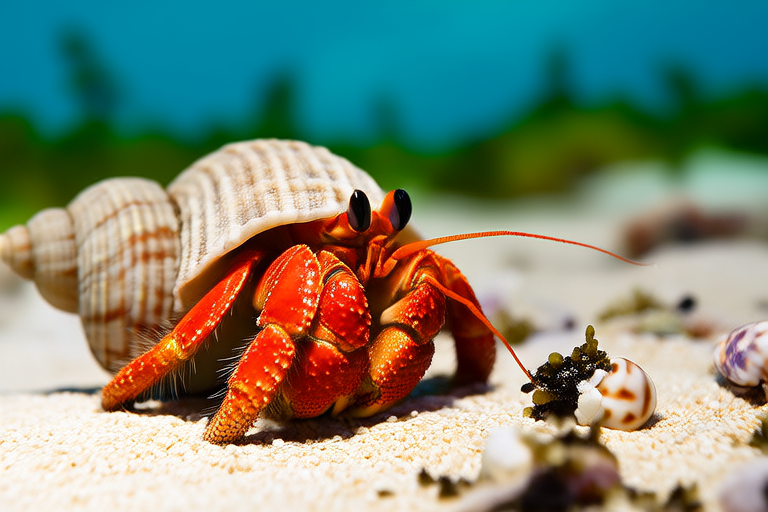
Observing your hermit crab regularly helps identify any potential health issues early. A healthy crab displays active behavior, moves freely within the habitat, and shows interest in exploring its surroundings. Its exoskeleton should be smooth without any discoloration or soft spots. Additionally, their antennae should be fully extended and moving actively.
Common Health Issues and Their Prevention
Respiratory infections, molting problems, and shell disease are common issues among hermit crabs. To prevent respiratory infections, maintain proper humidity levels and avoid overcrowding the habitat. Molting problems can occur if the environment is too dry or if there’s insufficient calcium. Ensure the substrate is moist and provide calcium supplements. Shell disease may result from dirty or contaminated shells. Regularly clean and replace shells to minimize this risk.
Safe Handling Practices
Handle your hermit crab gently to avoid causing injury. Support their body completely with one hand while holding their shell with the other. Never pull a crab out of its shell forcibly, as this can cause severe stress or damage. Wash your hands before and after handling to prevent transferring harmful bacteria or oils onto the crab.
Tips for Socializing Hermit Crabs
Hermit crabs are social creatures that benefit from interaction with others of their kind. Introduce new crabs gradually to allow them to acclimate to each other’s presence. Provide plenty of hiding spaces and shells to reduce competition over resources. Monitor interactions closely, especially during the initial stages, to ensure all crabs coexist peacefully.
In conclusion, providing a suitable habitat, maintaining optimal temperature and humidity, offering a balanced diet, selecting appropriate shells, keeping the environment clean, recognizing signs of good health, preventing common health issues, practicing safe handling techniques, and encouraging socialization are key factors in ensuring your hermit crab stays happy and healthy. By following these guidelines, you’ll create a thriving home for your beloved pet, fostering a rewarding relationship built on care and understanding.
