Top Tips for Feeding and Caring for Your Vibrant Coral Shrimp
Welcome to the fascinating world of coral shrimp! These tiny, colorful creatures can bring life and beauty to your aquarium. However, caring for them requires attention to detail and a bit of knowledge about their specific needs. This guide will provide you with essential tips on feeding, maintaining optimal tank conditions, and ensuring the overall health and happiness of your coral shrimp.
Understanding Coral Shrimp
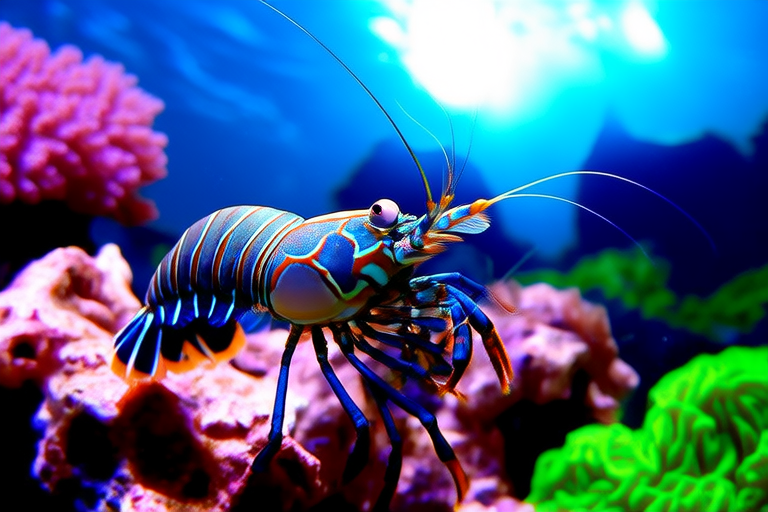
Coral shrimp (Stenopus hispidus) are small, vibrant crustaceans that come in various colors, including red, blue, and white. They are native to the tropical waters of the Indo-Pacific region and are known for their unique appearance and behavior. Unlike many other shrimp species, coral shrimp are more active during the day and are excellent scavengers, making them a great addition to any reef tank.
Dietary Requirements
Feeding your coral shrimp is crucial for their health and vibrancy. In the wild, they feed on algae, detritus, and small organisms. To replicate this diet in captivity, consider the following:
- Algae Wafers: These are rich in nutrients and are a staple food for coral shrimp. Ensure they sink to the bottom of the tank where the shrimp can easily find them.
- Flake Food: High-quality flake food designed for marine fish can also be fed to your shrimp. It provides necessary proteins and vitamins.
- Frozen Foods: Brine shrimp, bloodworms, and mysis shrimp are excellent supplements. Thaw these foods before feeding to avoid shocking your shrimp.
- Live Foods: Introducing live foods like micro-worms or daphnia can stimulate natural hunting behaviors and enhance their activity levels.
- Veggie Blends: Some coral shrimp enjoy plant-based foods such as spirulina or nori sheets. Offer these sparingly to balance their diet.
Remember, overfeeding can lead to water quality issues, so feed your shrimp small amounts multiple times a week rather than large quantities at once.
Suitable Tank Conditions
Creating the right environment is vital for your coral shrimp’s well-being. Here’s what you need to know:
- Water Parameters: Maintain a stable temperature between 75°F and 82°F (24°C and 28°C). The pH should be around 8.1 to 8.4, and salinity should be 1.023 to 1.025 specific gravity.
- Tank Size: A minimum tank size of 30 gallons is recommended for a small group of coral shrimp. Larger tanks allow for better water quality and more space for hiding places.
- Substrate: Use a fine sand substrate to mimic their natural habitat. Avoid sharp or large gravel that could injure the shrimp.
- Hiding Places: Provide plenty of caves, rocks, and driftwood for your shrimp to hide and explore. This helps reduce stress and encourages natural behavior.
- Water Flow: Moderate water flow is ideal. Too much flow can stress the shrimp, while too little can lead to poor water circulation.
- Lighting: Coral shrimp are diurnal, meaning they are active during the day. Ensure your tank has adequate lighting to support their natural behavior.
Regular Maintenance Tips
Maintaining a clean and healthy environment is key to keeping your coral shrimp happy and thriving. Follow these maintenance tips:
- Weekly Water Changes: Perform partial water changes of about 10% to 20% each week to remove waste and maintain water quality.
- Filter Maintenance: Regularly clean your filter media to prevent clogging and ensure efficient filtration.
- Monitor Algae Growth: Keep algae growth under control to prevent it from overwhelming the tank and competing with your shrimp for food.
- Check for Uneaten Food: Remove any uneaten food within 24 hours to prevent water pollution.
- Test Water Parameters: Regularly test the water parameters for ammonia, nitrite, nitrate, pH, and salinity to ensure they remain within safe limits.
Common Health Issues
Despite your best efforts, coral shrimp may encounter health issues. Early detection and prompt action can help resolve these problems:
- Fungal Infections: Look for fluffy, white growths on the shrimp’s body. Treat with antifungal medications and improve water quality.
- Bacterial Infections: Symptoms include lethargy, loss of appetite, and cloudy eyes. Use antibiotics prescribed by a veterinarian and adjust water parameters.
- Predation: Larger fish or invertebrates may prey on coral shrimp. Ensure compatibility with tank mates and provide ample hiding spots.
- Environmental Stress: Rapid changes in water parameters or aggressive tank mates can stress shrimp. Monitor tank conditions and interactions closely.
Interactive Ways to Ensure Well-being
Engaging with your coral shrimp can make their lives more interesting and enriching. Here are some interactive ideas:
- Observation: Spend time watching your shrimp interact with their environment. Notice their feeding habits, cleaning behaviors, and social dynamics.
- Interactive Toys: Introduce floating objects or sinking treats that encourage exploration and play.
- Feeding Times: Create a routine feeding schedule that allows you to bond with your shrimp. They may become more responsive to your presence.
- Photo Sessions: Capture photos of your shrimp to document their growth and vibrant colors. Share these with fellow aquarists for inspiration and support.
Conclusion
Caring for coral shrimp is a rewarding experience that brings joy and beauty to your aquarium. By understanding their dietary needs, providing suitable tank conditions, and engaging in regular maintenance, you can ensure the health and happiness of your vibrant coral shrimp. Remember, each shrimp is unique, so pay close attention to their individual behaviors and preferences. With proper care, your coral shrimp will thrive and add a splash of color to your underwater world.
