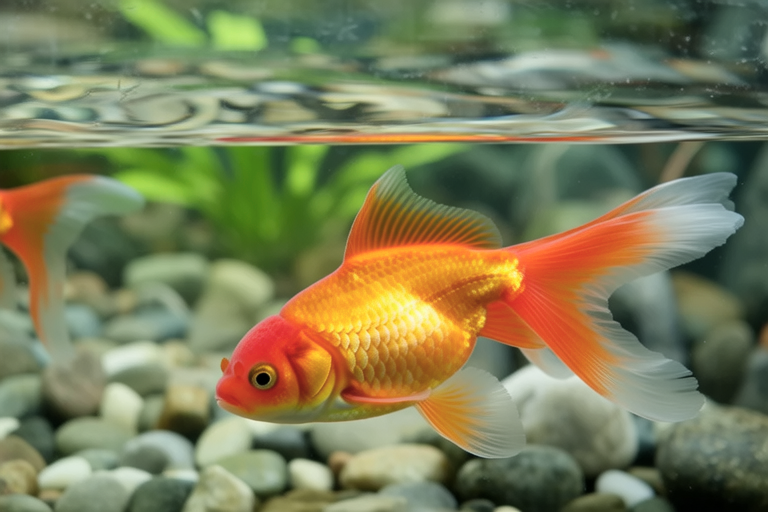
The Ultimate Goldfish Care Guide: Tips for Happy, Healthy Fish
Welcome to the ultimate guide to goldfish care! Whether you’re a first-time owner or have been keeping these delightful creatures for years, this comprehensive guide will help you understand the nuances of goldfish care, ensuring your fish live long, healthy, and happy lives.
Understanding Goldfish Anatomy and Behavior
Goldfish are fascinating creatures with unique anatomical features that influence their behavior and care needs. They possess a swim bladder, which helps them maintain buoyancy in water. This organ can sometimes cause them to float at the surface or sink to the bottom if they are overfed or stressed. Goldfish are social animals and thrive when kept in groups, but overcrowding should be avoided as it can lead to stress and disease.
Goldfish are also known for their intelligence and can learn to recognize their caretakers. They exhibit playful behaviors, such as chasing bubbles or exploring new objects in their tank. Understanding these aspects of goldfish behavior is key to providing them with an enriching environment.
Essential Tank Setup: Size, Filtration, and Temperature
Adequate tank size is crucial for goldfish health. A single goldfish requires at least 20 gallons of water, while each additional fish needs an extra 10 gallons. Overcrowded tanks can lead to poor water quality and increased stress on the fish. Choose a rectangular tank to provide more swimming space, and ensure the tank is placed away from direct sunlight and drafts.
Filtration is another critical component of a healthy tank. Goldfish produce a lot of waste, so a good filter system is necessary to remove debris and harmful substances from the water. Look for filters that can handle the volume of your tank and provide both mechanical and biological filtration. Regularly clean the filter to maintain its efficiency.
Maintaining the correct temperature is essential for goldfish health. The ideal temperature range for most goldfish species is between 68°F and 74°F (20°C to 23°C). Avoid sudden temperature changes, as they can stress the fish and make them susceptible to illness.
Water Quality Maintenance
Regular water testing and maintenance are vital for goldfish health. Test the water weekly for ammonia, nitrite, and nitrate levels, and keep pH levels stable between 6.5 and 8.0. Perform partial water changes every week, replacing approximately 20% of the water. Always treat tap water with a dechlorinator before adding it to the tank to remove harmful chemicals.
Aeration is also important, especially in larger tanks or those without strong water movement. Consider using an air pump and airstone to increase oxygen levels in the water. Proper water quality ensures that your goldfish can thrive and enjoy a longer lifespan.
Appropriate Feeding Practices
Goldfish are omnivorous and require a balanced diet to stay healthy. Feed them a variety of foods, including high-quality flake food, pellets, and occasional treats like frozen brine shrimp or bloodworms. Avoid overfeeding, as excess food can pollute the water and harm the fish. Feed your goldfish only what they can consume within a few minutes, twice daily.
It’s important to note that goldfish have a small throat and cannot swallow large pieces of food. Crush any large flakes or pellets into smaller pieces before feeding. Additionally, feed your goldfish during consistent times each day to establish a routine and reduce stress.
Common Health Issues and Prevention
Like all pets, goldfish can suffer from various health issues. Common ailments include fin rot, swim bladder disorders, and ich (white spot disease). Fin rot typically occurs due to poor water quality and can be prevented by maintaining a clean, well-filtered tank. Swim bladder disorders often result from overeating or constipation; preventing overfeeding and offering occasional fiber-rich foods can help.
Ich is a parasitic infection that causes white spots on the fish’s body. It can be treated with medications available at pet stores, but prevention is key. Regular water changes and maintaining proper water quality can prevent the onset of ich. If your goldfish exhibits unusual behavior or physical signs of illness, consult a veterinarian specializing in aquatic animals for diagnosis and treatment.
Tips for Creating an Enriching Environment
To create an enriching environment for your goldfish, start by providing plenty of hiding spots and plants. Live plants not only beautify the tank but also help maintain water quality by absorbing nitrates. Artificial plants are a good alternative if you prefer a lower-maintenance option. Decorative items, such as caves or castles, offer places for your goldfish to explore and hide.
Incorporate gentle water flow and some open swimming areas to mimic natural habitats. Goldfish are curious and enjoy investigating their surroundings, so consider adding interactive elements like floating toys or sinking treats. These additions can stimulate your fish mentally and physically, contributing to their overall well-being.
Importance of Regular Care Routines
Establishing a regular care routine is essential for maintaining goldfish health and longevity. Dedicate time each week to perform water tests, clean the tank, and feed your fish. Consistency in care routines helps minimize stress on your goldfish and allows you to quickly identify any potential issues.
Additionally, monitor your goldfish’s behavior and appearance regularly. Healthy goldfish are active, eat well, and have clear eyes and fins. Any changes in behavior or appearance could indicate underlying health problems. By staying vigilant and proactive, you can ensure your goldfish remain happy and healthy companions for years to come.
