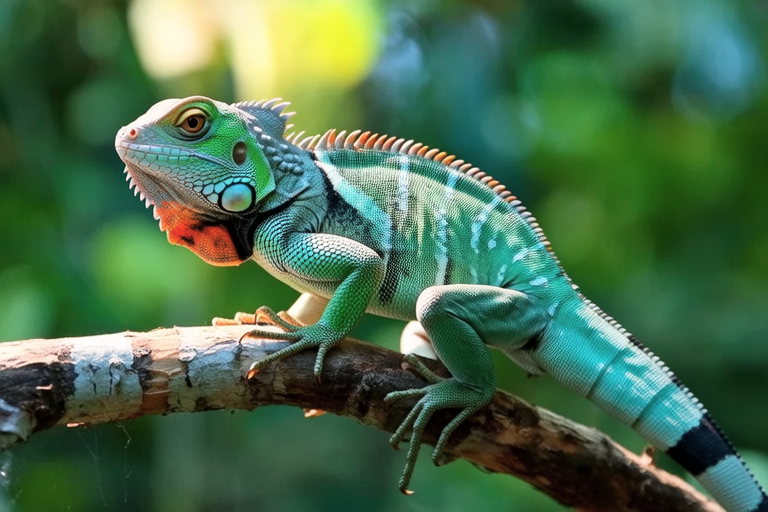
Japalura: A Unique and Fascinating Pet
The Japalura is a captivating and exotic species of lizard that has gained popularity among reptile enthusiasts. Originating from the lush forests of Southeast Asia, these lizards are known for their vibrant colors and distinctive patterns. They belong to the genus Japalura, which comprises several species, each with its own unique set of characteristics. This article delves into the origins, physical attributes, temperament, and care requirements of Japaluras, providing valuable insights for potential owners.
Origins and Habitat
Japaluras are native to the dense, tropical rainforests of Southeast Asia, specifically regions in China, Vietnam, Laos, and Thailand. These areas provide them with an ideal environment, characterized by high humidity and abundant vegetation. The natural habitat of Japaluras includes rocky outcrops, tree trunks, and dense underbrush, where they can find shelter and food. Their adaptability to various environmental conditions has contributed to their survival in the wild.
Physical Attributes
Japaluras are medium-sized lizards, typically measuring between 8 to 14 inches in length, including their tail. They possess a sleek, elongated body covered in smooth, glossy scales that come in a variety of colors, ranging from bright greens and blues to deep browns and blacks. Some species display striking patterns, such as stripes or spots, adding to their visual appeal. One of the most notable features of Japaluras is their prehensile tail, which aids in climbing and balance. Their powerful legs and sharp claws enable them to navigate through trees with ease.
Temperament and Interaction
Japaluras have a docile and calm demeanor, making them relatively easy to handle compared to other lizard species. They are generally non-aggressive and do not exhibit territorial behavior towards humans. However, it is important to approach them gently and avoid sudden movements that may startle them. Establishing trust is key when handling Japaluras, and regular interaction can help build a bond between the lizard and its owner. With proper care and attention, Japaluras can become comfortable around their handlers, allowing for closer interactions.
Care Requirements
Housing
Adequate housing is crucial for the well-being of Japaluras. A spacious terrarium or vivarium, equipped with appropriate climbing structures and hiding spots, provides them with ample space to move and explore. The enclosure should be large enough to accommodate their size and allow for vertical climbing. Substrates such as coconut fiber or reptile-safe bark chips can be used to create a naturalistic environment. Additionally, providing a shallow water dish for drinking and soaking is essential.
Diet
Japaluras are omnivorous, meaning they consume both plant matter and animal protein. Their diet should consist of a balanced mix of fruits, vegetables, and insects. Suitable fruits and vegetables include leafy greens, carrots, squash, and berries. Insects like crickets, mealworms, and dubia roaches serve as excellent sources of protein. It is important to offer a varied diet to ensure optimal nutrition. Supplementing their meals with calcium and vitamin D3 can help prevent deficiencies and promote healthy growth.
Health Considerations
Regular veterinary check-ups are recommended to monitor the health of Japaluras. Common health issues include metabolic bone disease (MBD) and respiratory infections. MBD can occur if there is insufficient calcium in the diet or inadequate exposure to UVB light. Respiratory infections may develop due to improper temperature and humidity levels within the enclosure. Maintaining clean living conditions, providing appropriate lighting, and ensuring a balanced diet are vital steps in preventing these health problems.
Why Avian Enthusiasts Find Japaluras Appealing
Avian enthusiasts often appreciate Japaluras for their unique appearance and intriguing behaviors. Their vibrant colors and intricate patterns make them visually stunning additions to any collection. Moreover, Japaluras are highly active during the day, displaying a range of interesting behaviors such as basking, climbing, and exploring their surroundings. Observing their natural behaviors can be both entertaining and educational for owners who enjoy studying animal behavior. Additionally, the relatively low maintenance required for Japaluras compared to some bird species makes them an attractive option for those seeking a new pet.
Tips for Interacting with and Training Your Japalura
Establishing a routine for handling and interaction can help your Japalura feel more secure and comfortable. Start by gently placing your hand in the enclosure and allowing the lizard to approach you. Once it shows signs of comfort, you can begin holding it for short periods, gradually increasing the duration over time. Providing treats during these sessions can reinforce positive associations and encourage further interaction. Training your Japalura may involve teaching simple commands or encouraging specific behaviors, but patience and consistency are key.
Companionship and Joy
Owning a Japalura can bring immense joy and companionship to its owner. Their presence adds a touch of exotic beauty to any home, while their gentle nature makes them delightful pets. Watching them navigate their enclosure, bask in the warmth of a heat lamp, or simply observing their daily routines can be a rewarding experience. Furthermore, the bond formed between a Japalura and its owner can deepen over time, creating a special connection that enriches both lives. With proper care and attention, a Japalura can become a cherished member of the family.
