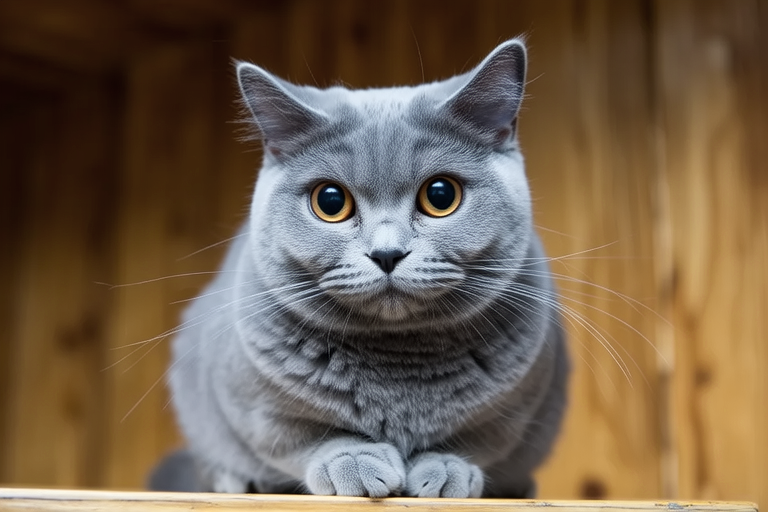
Adorable Fluff Balls: The Ultimate Guide to Chinchilla Care
Welcome to the world of chinchillas! These adorable fluff balls are one of the most unique and fascinating pets you can bring into your home. Known for their soft, dense fur and playful nature, chinchillas are cherished by many for their companionship and charm. This comprehensive guide will walk you through everything you need to know about chinchilla care, from their diet and housing requirements to grooming and exercise needs. Let’s dive in!
Introduction to Chinchillas
Chinchillas are small rodents native to the Andes Mountains in South America. They are named after the Chincha people, who once wore clothing made from their luxurious fur. In the wild, chinchillas live in rocky areas, burrowing into crevices and cliffs for protection. Their dense fur serves as insulation against cold mountain temperatures, making them well-suited for cooler environments. As pets, they are intelligent, curious, and social creatures, though they require patience and understanding from their human companions.
Diet
Chinchillas have specific dietary needs that must be met to ensure their health and longevity. Their digestive systems are sensitive, so it’s important to provide them with high-quality food designed specifically for chinchillas.
- Hay: Timothy hay or orchard grass hay should be the main component of your chinchilla’s diet. It provides essential fiber and aids in digestion. Always offer fresh hay daily.
- Pellets: High-quality chinchilla pellets should be available at all times. Look for pellets that are low in fat and sugar and high in fiber. Avoid seeds and nuts, as these can cause obesity and other health issues.
- Treats: Treats should be given sparingly. Fresh vegetables like carrots, broccoli, and spinach can be offered in small amounts. Be cautious with fruits, as they are high in sugar.
Housing Requirements
Creating a safe and comfortable environment for your chinchilla is crucial. Here are some key considerations for their housing:
- Enclosure Size: Chinchillas are active animals that need plenty of space to move around. A cage should be at least 3 feet wide, 2 feet deep, and 3 feet tall. Bigger is always better.
- Bedding: Use dust-free bedding materials such as paper-based products or aspen shavings. Avoid pine and cedar shavings, as they can irritate your chinchilla’s respiratory system.
- Toys and Accessories: Provide chew toys, tunnels, and platforms to encourage physical activity and mental stimulation. Chinchillas love to climb and explore.
Grooming Needs
Chinchillas have extremely dense fur, which requires special attention to keep it clean and healthy.
- Dust Bathing: Unlike water baths, chinchillas take dust baths to clean themselves. Provide a shallow container filled with commercial chinchilla dust or a mixture of Fuller’s earth and baking soda. Allow your chinchilla to bathe for 10-15 minutes a few times a week.
- Trimming Nails: Regular nail trimming is necessary to prevent overgrowth. Use nail clippers designed for small animals and be careful not to cut the quick (the blood vessel inside the nail).
- Brushing: Gently brush your chinchilla’s fur with a soft-bristled brush if needed. This helps remove loose hair and prevents matting.
Exercise
Physical activity is vital for maintaining your chinchilla’s health and happiness. Encourage exercise by providing ample space within their enclosure and offering opportunities for supervised play outside the cage.
- In-Cage Play: Install ramps, platforms, and toys to create an engaging environment within the cage.
- Out-of-Cage Time: Allow your chinchilla supervised time out of the cage each day. Ensure the area is chinchilla-proofed, free of hazards, and safe for exploration.
Common Health Issues
Despite their hardiness, chinchillas can develop certain health problems if not cared for properly. Here are some common issues to watch out for:
- Overgrown Teeth: Chinchillas’ teeth grow continuously throughout their lives. Provide appropriate chew toys to help wear down their teeth naturally. Monitor for signs of overgrowth, such as drooling or difficulty eating.
- Heat Stress: Chinchillas are sensitive to heat. Keep their living area cool, ideally between 60-70°F (15-21°C). Avoid placing their cage near windows or heat sources.
- Bloat: Overeating or consuming inappropriate foods can lead to bloat, a life-threatening condition. Monitor your chinchilla’s eating habits and avoid feeding excessive treats.
Tips for Bonding with Your Chinchilla
Building a strong bond with your chinchilla takes time and patience. Here are some tips to help foster a positive relationship:
- Patience: Chinchillas may initially be skittish or timid. Give them time to adjust to your presence before attempting to handle them.
- Positive Reinforcement: Reward good behavior with gentle praise and occasional treats. Avoid punishment, as it can damage trust.
- Handling: When handling your chinchilla, support their entire body and avoid lifting them by the tail or ears. Approach slowly and calmly to minimize stress.
Conclusion
Raising a chinchilla as a pet is a rewarding experience, but it also comes with responsibilities. By understanding their unique needs and providing proper care, you can ensure your chinchilla leads a happy and healthy life. Remember, each chinchilla has its own personality, so take the time to get to know your pet and enjoy the companionship they bring into your home. With this guide as your resource, you’re well on your way to becoming a knowledgeable and loving chinchilla owner.
