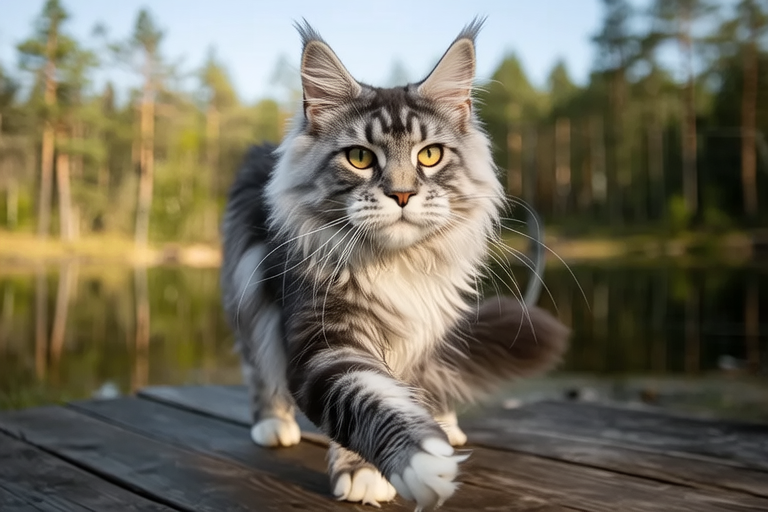
The Unusual Size of Maine Coon Cats: Genetic Factors, Historical Background, and Environmental Influences
Maine Coon cats are known for their impressive size, often reaching weights of 13 to 18 pounds for males and 9 to 12 pounds for females. This article delves into the genetic factors, historical background, and environmental influences contributing to the unusually large size of Maine Coon cats. Additionally, it compares these cats with other breeds, discusses their dietary needs, dispels myths about their growth, explores health considerations related to their size, and concludes with the charm and adaptability that make them beloved pets.
Genetic Factors
The genetic makeup of Maine Coons plays a significant role in their size. They are believed to be descendants of domesticated cats brought to North America by European settlers. The most widely accepted theory is that they are the result of a crossbreeding between semi-feral domestic cats and raccoon-like creatures. This hybridization could have introduced genes that contributed to their larger size.
Another theory suggests that the Maine Coon’s large size is due to a gene mutation called the polydactyl gene, which causes extra toes on their paws. While this gene does not directly cause gigantism, it may contribute to the breed’s robust physique. Some researchers believe that the Maine Coon’s large size is the result of selective breeding over generations, with breeders favoring larger individuals for their distinct appearance.
Historical Background
The origins of the Maine Coon are shrouded in mystery, but several theories exist. One popular myth attributes the breed’s name to Marie Antoinette, who was said to have sent her royal cats to the United States before her execution. Another theory claims that Captain Charles Coon kept long-haired cats aboard his ship, and when he docked in Maine, they mated with local feral cats, resulting in the Maine Coon breed.
Historically, Maine Coons were valued as working cats, adept at catching rodents and other pests. Their large size and strong hunting instincts made them ideal companions for farmers and sailors. Despite their size, Maine Coons are known for their gentle nature and intelligence, making them excellent pets for families and individuals alike.
Environmental Influences
The environment in which Maine Coons live can also influence their size. Maine, where the breed originated, has harsh winters, and the cats needed to be well insulated against the cold. Over time, natural selection favored larger, more muscular cats with thick fur coats, allowing them to survive in the challenging climate. This adaptation has contributed to the breed’s large size.
In addition to climate, diet and nutrition play a crucial role in the growth and development of Maine Coons. A balanced diet rich in proteins, fats, and essential nutrients is vital for maintaining their overall health and supporting their large frame. Proper nutrition ensures that Maine Coons have the energy and resources necessary for optimal growth and development.
Comparisons with Other Cat Breeds
Maine Coons are one of the largest domestic cat breeds, but they are not the only ones. The Ragdoll, Nebelung, and Norwegian Forest Cat are also known for their large size. However, Maine Coons typically outgrow these breeds in terms of weight and length.
Despite their size, Maine Coons are relatively slow to mature, often taking up to four years to reach their full size. This extended growth period allows them to develop a sturdy, muscular build. In contrast, some smaller breeds, such as the Siamese or Abyssinian, reach their adult size much faster, usually within a year.
Dietary Needs
Maine Coons require a high-protein diet to support their large frames and active lifestyles. A diet rich in animal-based proteins, such as chicken, fish, or beef, is essential for maintaining muscle mass and overall health. Additionally, Maine Coons need a moderate amount of fat in their diet to provide energy and support healthy skin and coat.
It is important to avoid overfeeding Maine Coons, as obesity can lead to various health issues, including joint problems, diabetes, and heart disease. Providing portion-controlled meals and limiting treats can help maintain a healthy weight. Regular exercise, such as playing with toys or providing scratching posts, can also aid in weight management.
Facts vs. Myths About Their Growth
One common myth about Maine Coons is that they never stop growing. In reality, while Maine Coons take longer than many other breeds to reach their full size, they do eventually stop growing. Typically, they reach their full size between three and five years of age. Another myth is that all Maine Coons will grow to be large, but this is not always the case. Some Maine Coons may be smaller than average due to genetics or environmental factors.
Contrary to popular belief, Maine Coons are not giant versions of other cat breeds. Their large size is the result of specific genetic factors and adaptations to their environment. While they share some physical traits with other large breeds, such as the Norwegian Forest Cat, they are unique in their own right.
Health Considerations Related to Their Size
The large size of Maine Coons can present certain health challenges. Arthritis, hip dysplasia, and spinal issues are more common in larger cats, and Maine Coons are no exception. Maintaining a healthy weight and providing regular veterinary care can help prevent or manage these conditions.
Heart disease is another concern for Maine Coons. Hypertrophic cardiomyopathy (HCM), a condition characterized by thickening of the heart muscle, is more prevalent in the breed. Early detection and treatment can improve the prognosis for affected cats. Regular check-ups and echocardiograms can help monitor heart health.
Besides heart disease, Maine Coons are also prone to polycystic kidney disease (PKD), a genetic disorder that causes the formation of cysts in the kidneys. While there is no cure for PKD, early diagnosis and management can help delay the onset of symptoms and improve quality of life.
The Charm and Adaptability of Maine Coons
Despite their large size, Maine Coons are known for their friendly and sociable personalities. They are often described as “dog-like” in their behavior, enjoying interactive play and companionship. Their gentle nature makes them excellent pets for families with children or other animals.
Maine Coons are highly adaptable, thriving in both indoor and outdoor environments. They are intelligent and trainable, often learning tricks or commands with ease. Their large size and playful demeanor make them stand out among other cat breeds, and their affectionate nature makes them beloved pets.
In conclusion, the unusual size of Maine Coon cats is the result of genetic factors, historical background, and environmental influences. While their large size presents certain health challenges, proper nutrition, regular exercise, and veterinary care can help ensure a long and healthy life. The charm and adaptability of Maine Coons make them beloved pets, and their gentle nature and playful demeanor endear them to people around the world.
